
Outdoor spaces are an extension of our homes—a place to relax, entertain, and express personal style. But when it comes to decorating patios, balconies, or porches, many face the same dilemma: how to add charm without permanent modifications. That’s where command hooks come in. Originally designed for hanging pictures indoors, these adhesive-backed hooks have evolved into a game-changer for temporary, damage-free outdoor styling. Lightweight, removable, and surprisingly strong, they offer endless possibilities for seasonal flair, festive touches, and functional design—all without drilling holes or risking property damage.
The key lies in using them creatively. With a little imagination and some strategic placement, command hooks can support string lights, suspend planters, organize tools, and even create dynamic visual displays. This guide explores practical, inventive applications tailored specifically for outdoor environments, along with essential tips to ensure durability and safety.
Why Command Hooks Work for Outdoor Decor
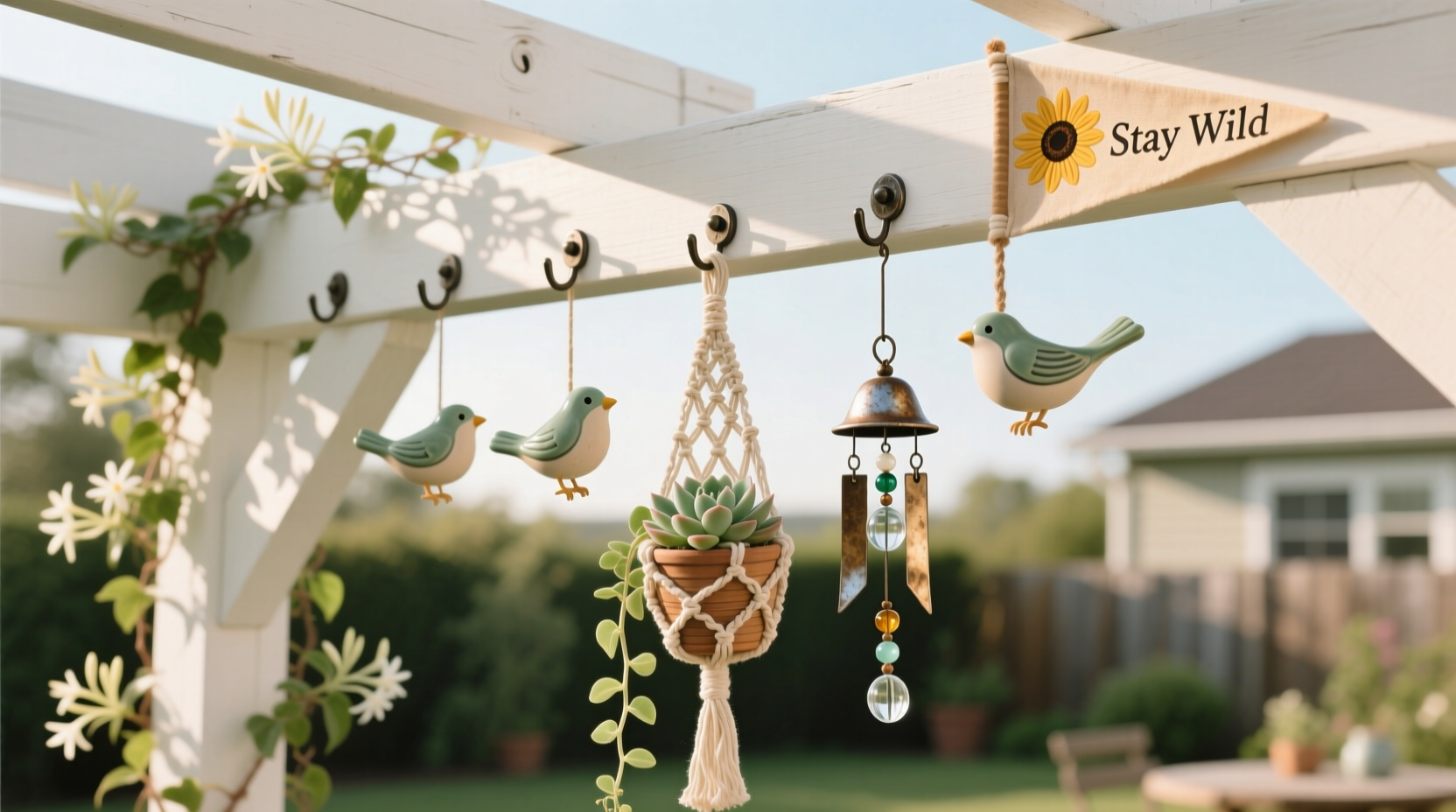
Command hooks were not originally intended for outdoor use, but advancements in adhesive technology—particularly weather-resistant foam and UV-stable backing—have expanded their viability. Many modern versions are labeled as suitable for indoor/outdoor use, capable of withstanding humidity, temperature shifts, and light exposure for months at a time.
What makes them ideal for lightweight outdoor decor is their reversibility. Renters, apartment dwellers, or anyone who rotates seasonal themes benefit from being able to redecorate freely and restore surfaces to original condition. Unlike screws or nails, command hooks leave no residue when removed properly, preserving paint, wood, and siding.
“Adhesive hardware has transformed how we approach temporary design. With the right product selection and application technique, you can achieve professional-looking results without permanent commitment.” — Lena Torres, Sustainable Design Consultant
Creative Applications for Lightweight Outdoor Spaces
Using command hooks outdoors isn’t limited to hanging a single wreath on the front door. Their versatility shines when applied across different zones of your exterior space. Below are five imaginative uses that elevate both function and aesthetics.
1. Floating String Light Displays
String lights instantly warm up any outdoor area, but running wires or installing clips can be cumbersome. Command hooks provide a clean solution. Use small, clear adhesive hooks to route fairy lights along railings, pergola beams, or fence edges. Space them evenly—about 12 to 18 inches apart—to maintain tension and prevent sagging.
For a magical evening effect, weave lights through potted plants or drape them over a balcony ceiling. Clear hooks remain nearly invisible during the day, making the lights appear to float.
2. Hanging Mini Planters and Succulent Wreaths
Vertical gardening maximizes space, especially on compact balconies. Instead of mounting heavy brackets, use medium-sized command hooks to suspend lightweight planters made of plastic, felt, or fabric. Small trailing succulents, air plants, or herb pots (like thyme or oregano) work perfectly within weight limits.
Attach hooks to the underside of eaves, railing sides, or vertical walls to create a cascading garden effect. Group several at varying heights for dimension. Just ensure soil doesn’t drip directly onto adhesive surfaces—place a small tray or liner beneath if needed.
3. Seasonal Decoration Rotation System
Festive decor often means frequent changes—pumpkins in fall, stars in winter, flowers in spring. Rather than reapplying tape or pins each time, install a set of command hooks as anchor points. Once secured, swap out decorations in minutes using ribbons, twine, or S-hooks.
This system works especially well on glass doors, wooden posts, or metal railings. Choose decorative hooks in brushed nickel or matte black to blend with your outdoor theme year-round.
4. Functional Tool and Accessory Organizer
Small outdoor areas need smart storage. Use larger command hooks under deck shelves or inside shed doors to hang gardening gloves, trowels, pruning shears, or watering cans. Even pool skimmers or fishing gear can be temporarily stored this way.
For renters managing shared spaces, this method keeps essentials accessible yet unobtrusive. Position hooks at shoulder height for easy reach, and avoid placing near high-moisture zones like sprinkler heads or hose outlets.
5. DIY Wind Chime or Art Suspension
Add personality with handmade wind chimes, painted tiles, or repurposed kitchen utensils as kinetic art. Attach lightweight sculptures with nylon cord or thin wire looped over a command hook. Mount on side walls, fence slats, or pergola supports to introduce movement and sound.
Choose designs that weigh under 1 pound and avoid metal-on-metal components in windy areas to prevent wear on the adhesive base.
Step-by-Step: Installing Outdoor Command Hooks Safely
Proper installation is critical to performance. Even the best adhesive fails if applied incorrectly. Follow this timeline to ensure maximum hold and longevity.
- Day 1 – Surface Preparation (10 minutes)
Select a dry day with temperatures between 50°F and 100°F. Clean the mounting area thoroughly with rubbing alcohol. Remove dust, grease, or pollen. Let dry completely. - Day 1 – Application (5 minutes)
Peel off the backing and press the hook firmly against the surface. Apply steady pressure for 30 seconds. Avoid touching the adhesive side with fingers. - Wait Period – 1 Hour Cure Time
Do not hang anything during this time. The adhesive needs uninterrupted bonding. - Day 1+ – Load Gradually
Add lightweight items first. Wait 24 hours before attaching heavier loads, even within the stated weight limit. - Ongoing – Monitor Monthly
Check for lifting edges, discoloration, or loosening—especially after storms or extreme heat. Reinforce or replace as needed.
Do’s and Don’ts: Command Hook Use Outdoors
| Do | Don't |
|---|---|
| Use outdoor-rated command hooks labeled for weather resistance | Use indoor-only hooks outside—they degrade quickly |
| Install on smooth, non-porous surfaces like glass, metal, or sealed wood | Apply to rough stucco, brick, or peeling paint |
| Stick to weight limits—usually 1–7.5 lbs depending on size | Hang wet items or water-filled containers that increase load over time |
| Remove slowly by pulling the tab straight down | Yank sideways or use tools that could chip the surface |
| Replace seasonally to maintain reliability | Leave hooks up for more than 6–12 months continuously |
Real Example: A Balcony Transformation on a Budget
Maria, a tenant in a downtown high-rise, wanted to make her 4x6-foot concrete balcony feel like a retreat. With landlord restrictions against drilling, she turned to command hooks for a flexible solution. Over two weekends, she installed 12 small clear hooks along the railing and three under the overhead awning edge.
She used them to hang solar-powered string lights, a macramé hanger with a trailing pothos in a plastic planter, and a rotating series of seasonal signs—“Hello Spring” in April, “Pumpkin Patch Vibes” in October. A medium hook held a foldable drying rack for herbs during the day, which she removed at night for dining.
After eight months, only one hook showed slight lifting due to direct afternoon sun. She replaced it easily, cleaned the spot, and reused the area. Her total spending? Under $30. “I get compliments from neighbors all the time,” she says. “And when I move, I’ll take everything down without a trace.”
Expert Tips for Longevity and Safety
To get the most out of your outdoor command hooks, consider these expert-backed strategies:
- Match hook size to load: A large hook rated for 7.5 lbs is overkill for a 0.5-lb decoration—but undersizing risks failure.
- Avoid thermal shock: Don’t install on surfaces exposed to rapid temperature swings, such as metal railings in full sun.
- Use secondary support for valuable items: Pair hooks with thin, discreet fishing line anchored at another point for redundancy.
- Label your setup: Note installation dates on a small sticker behind the hook base to track replacement schedules.
- Test removal technique: Practice pulling the removal tab slowly downward to stretch the adhesive cleanly, minimizing residue.
“The secret to successful temporary installations is planning for impermanence. Design with detachment in mind, and every change becomes an opportunity, not a chore.” — Diego Mendez, Urban Landscape Designer
FAQ
Can command hooks withstand rain and wind?
Yes—if you use outdoor-specific models. Standard hooks may weaken under prolonged moisture exposure. Look for packaging labeled “Weather Resistant” or “Suitable for Patios.” Avoid submerging them or placing in areas with constant water runoff.
How do I remove command hooks without damaging paint?
Pull the removal tab straight down slowly and steadily. If resistance increases, apply gentle heat with a hairdryer for 20–30 seconds to soften the adhesive. Never twist or pry. Any leftover residue can be wiped with rubbing alcohol.
Are there alternatives for heavier outdoor decor?
For items over 8 pounds, consider removable rail systems, freestanding trellises, or magnetic hooks (for metal surfaces). Command strips with higher weight ratings exist but still require ideal conditions and are best suited for short-term use.
Final Checklist: Your Outdoor Hook-Up Plan
- ✔ Identify surfaces suitable for adhesive hooks (smooth, dry, stable)
- ✔ Purchase outdoor-rated command hooks in multiple sizes
- ✔ Clean surfaces with alcohol and let dry completely
- ✔ Install hooks during moderate temperatures, pressing firmly
- ✔ Wait 1 hour before loading, 24 hours before full weight
- ✔ Hang lightweight decor: lights, planters, signs, tools
- ✔ Inspect monthly for wear, especially after storms
- ✔ Remove carefully using the built-in tab when changing seasons
- ✔ Reuse surfaces after cleaning for next project
Conclusion
Command hooks are more than a quick fix—they’re a tool for expressive, flexible outdoor living. When used thoughtfully, they empower creativity without compromise. Whether you're crafting a cozy nook for morning coffee or designing a festive entryway display, these small anchors deliver big impact. The beauty lies in their simplicity: no tools, no damage, no long-term commitments—just instant charm.
Start small. Try one idea from this guide. See how it feels to decorate freely, knowing you can change your mind tomorrow. Then build from there. Share your own command hook hacks, tag a friend who hates drilling holes, or leave a note about what worked in your climate. Great outdoor design shouldn’t require permanence—sometimes, the most memorable moments are the ones you can take down and start over with.




 浙公网安备
33010002000092号
浙公网安备
33010002000092号 浙B2-20120091-4
Comments
No comments yet. Why don't you start the discussion?