
Echinacea, a vibrant purple coneflower native to North America, has been used for centuries by Indigenous peoples for its immune-supporting properties. Today, it remains one of the most widely recognized herbal remedies, especially during cold and flu season. While many reach for store-bought supplements, understanding how to use echinacea in its whole plant form unlocks greater control over quality, potency, and personalization. This guide walks you through harvesting, preparing, and integrating echinacea into your wellness routine with confidence and care.
Understanding Echinacea: Which Parts to Use and When
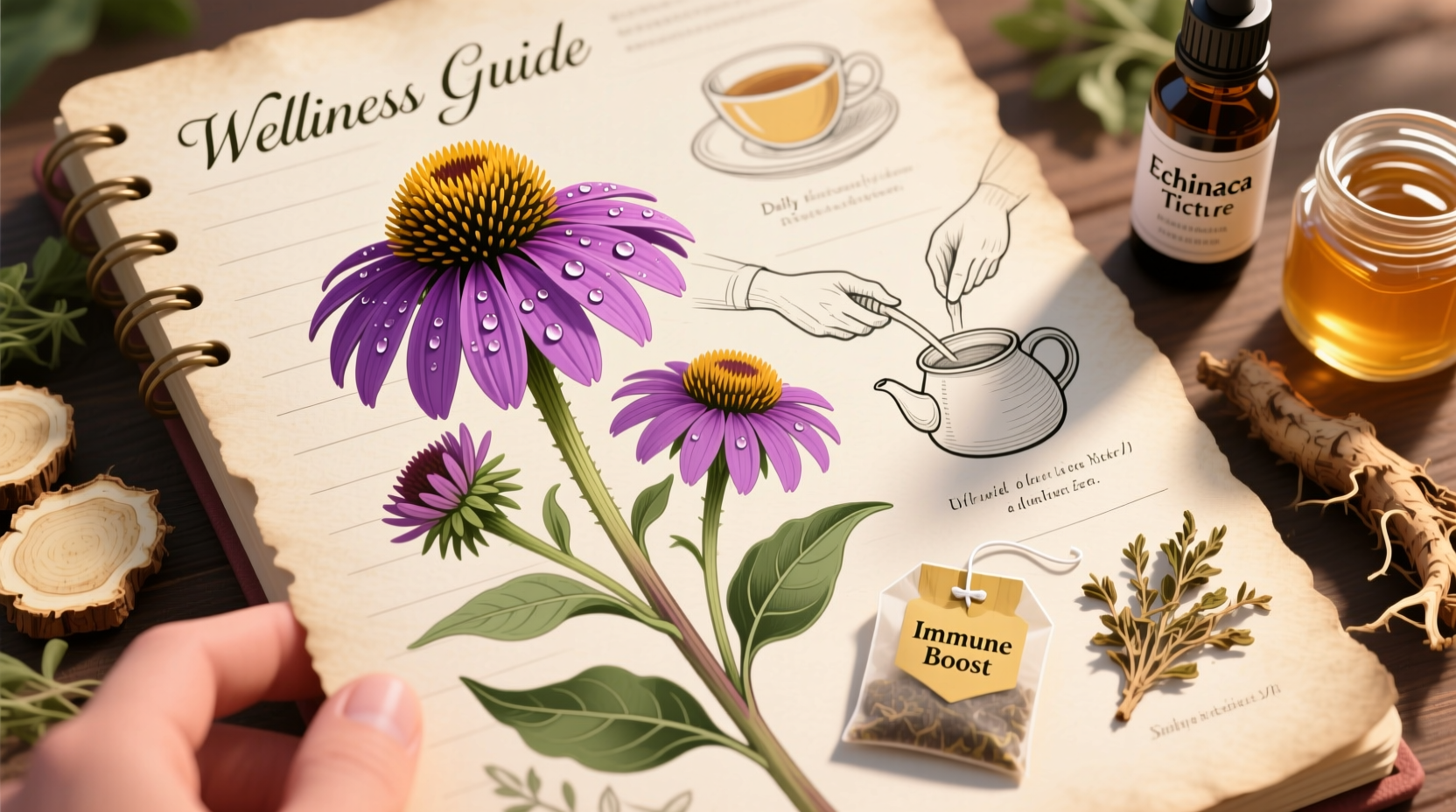
Echinacea purpurea, Echinacea angustifolia, and Echinacea pallida are the three most commonly used species. Each part of the plant offers different benefits:
- Roots: Highest concentration of alkylamides, compounds believed to support immune modulation. Best harvested in fall after two years of growth.
- Aerial parts (leaves, flowers, stems): Rich in polysaccharides and flavonoids. Harvested mid-summer when flowering begins.
- Seeds: Not typically used medicinally but valuable for replanting.
The timing of harvest significantly impacts potency. Roots are most active just before the first frost, while aerial parts peak in bioactive compounds when flowers fully open. Always harvest from pesticide-free areas or organically grown plants.
Step-by-Step Guide to Preparing Echinacea at Home
Using fresh or dried echinacea allows you to create potent, chemical-free remedies. Below is a timeline for making common preparations:
- Harvesting (Late Summer to Early Fall): Use clean shears for aerial parts; dig roots carefully with a garden fork. Rinse gently and pat dry.
- Drying (3–7 days): Hang aerial parts upside down in a dark, well-ventilated room. Slice roots thinly and dry on racks or in a dehydrator at 95°F (35°C).
- Storing: Keep dried material in airtight amber jars away from light and moisture. Properly stored, echinacea retains potency for up to two years.
- Preparation: Choose from teas, tinctures, infused oils, or capsules based on your needs.
Making an Immune-Supportive Echinacea Tea
Tea made from aerial parts provides gentle daily support. For stronger action, combine with root.
- Use 1–2 teaspoons of dried echinacea (flower and leaf) per cup of boiling water.
- Pour water over herb, cover, and steep for 15–20 minutes to extract polysaccharides.
- Strain and drink 1–2 cups daily during early signs of illness.
- For added benefit, include elderberry or ginger.
Note: Fresh echinacea tea has a pungent, slightly numbing taste due to alkylamides—this sensation indicates potency.
Creating a Long-Lasting Alcohol Tincture
Tinctures offer concentrated, shelf-stable medicine. A 1:2 ratio (fresh herb to alcohol) maximizes extraction.
- Fill a glass jar one-third full with chopped fresh echinacea root.
- Pour high-proof alcohol (e.g., 95-proof vodka or grain alcohol) until herb is submerged.
- Seal tightly, label, and shake daily for 4–6 weeks in a cool, dark place.
- Strain through cheesecloth, squeezing out liquid. Store tincture in dropper bottles.
Dosage: 1–2 mL (20–40 drops) every 2–3 hours at onset of symptoms, not exceeding 10 days of continuous use.
Practical Ways to Incorporate Echinacea Into Your Wellness Routine
Integrating echinacea isn’t limited to crisis moments. Strategic use enhances long-term resilience.
| Method | Best For | Frequency | Notes |
|---|---|---|---|
| Tea (aerial parts) | Daily immune maintenance | 1–2 cups/day, up to 3 weeks | Mild flavor; safe for most adults |
| Root tincture | Acute infections | Every few hours for ≤10 days | Stronger action; avoid prolonged use |
| Capsules (dried root) | Convenience | As directed, short-term only | Check standardization (e.g., 4% phenolics) |
| Infused honey | Sore throat relief | 1 tsp as needed | Not for children under 1 year |
Expert Insight: What Science and Tradition Agree On
While clinical studies on echinacea show mixed results, methodological differences often explain discrepancies. Dr. Kerry Bone, renowned herbalist and co-founder of MediHerb, explains:
“Echinacea works best when used correctly—early in infection, in adequate doses, and from high-quality sources. It’s not a magic bullet, but a reliable tool when matched to the right context.” — Dr. Kerry Bone, BSc (Hons), Dip Phyto
Research supports echinacea’s ability to stimulate white blood cell activity and reduce inflammation. A meta-analysis published in *The Lancet Infectious Diseases* found that echinacea supplementation reduced the risk of developing a cold by 58% and shortened duration by 1.4 days on average.
Mini Case Study: Using Echinacea During Peak Season
Sarah, a schoolteacher in Vermont, starts feeling a tickle in her throat after a student sneezes nearby. Instead of waiting, she begins her protocol: 40 drops of her homemade echinacea root tincture every three hours, along with increased hydration and rest. She also drinks echinacea-ginger tea twice daily. Within 36 hours, symptoms plateau and begin to recede. By day four, she feels back to normal—avoiding what historically would have become a week-long illness. Sarah credits early intervention and consistent dosing as key factors.
Common Mistakes and Safety Considerations
Despite its popularity, echinacea isn’t suitable for everyone. Avoid misuse with these guidelines:
- Do not use continuously for more than 8–10 days without a break.
- Avoid if allergic to plants in the daisy family (Asteraceae).
- Those with autoimmune conditions should consult a healthcare provider before use.
- Never give echinacea to infants under six months old.
Overuse may lead to diminished immune response or digestive upset. Think of echinacea as a “first responder,” not a long-term tonic.
FAQ
Can I grow echinacea myself?
Yes. Echinacea thrives in USDA zones 3–9, prefers full sun, and requires minimal watering once established. It attracts pollinators and reseeds easily, making it ideal for sustainable home harvesting.
Is fresh echinacea better than dried?
Fresh plant material, especially root, yields higher concentrations of volatile compounds in tinctures. However, properly dried echinacea remains effective for teas and capsules.
When should I not take echinacea?
Avoid during active flare-ups of autoimmune diseases like lupus or rheumatoid arthritis. Also discontinue before surgery due to potential immune system interactions.
Final Checklist: Getting Started with Echinacea
- Identify the echinacea species and plant part you’re using.
- Harvest or source high-quality, organic material.
- Choose your preparation method (tea, tincture, capsule).
- Begin use at the first sign of illness, not as a daily long-term supplement.
- Limit continuous use to 10 days; rotate with other herbs.
- Store preparations properly to preserve potency.
- Consult a qualified herbalist or healthcare provider if managing chronic conditions.
Conclusion: Empower Your Health Naturally
Using echinacea wisely connects modern wellness practices with deep-rooted herbal wisdom. Whether you’re crafting a tincture from your garden harvest or sipping a soothing tea at the first hint of a cold, this resilient plant offers accessible, science-backed support. The key lies in informed, timely use—not as a cure-all, but as a thoughtful addition to a proactive health strategy. Start small, observe your body’s responses, and build a personalized approach that works for your lifestyle.




 浙公网安备
33010002000092号
浙公网安备
33010002000092号 浙B2-20120091-4
Comments
No comments yet. Why don't you start the discussion?