
The crisp, clean aroma of a pine forest has an unmatched ability to refresh the mind and elevate the spirit. Whether you're decorating for the holidays, seeking a year-round woodland ambiance, or simply love the invigorating scent of evergreens, essential oils offer a powerful way to amplify and preserve that authentic pine fragrance. Unlike synthetic air fresheners, which often mask odors with chemical perfumes, essential oils can deepen and complement the natural scent profile of real pine trees—whether from a Christmas tree, garlands, or outdoor landscaping.
This guide explores practical, science-backed methods to use essential oils in synergy with actual pine elements. From prolonging the freshness of cut trees to creating seasonal diffuser blends that mirror alpine air, you’ll learn how to layer scents thoughtfully, avoid common pitfalls, and craft a truly immersive aromatic experience.
Understanding Pine’s Natural Aroma
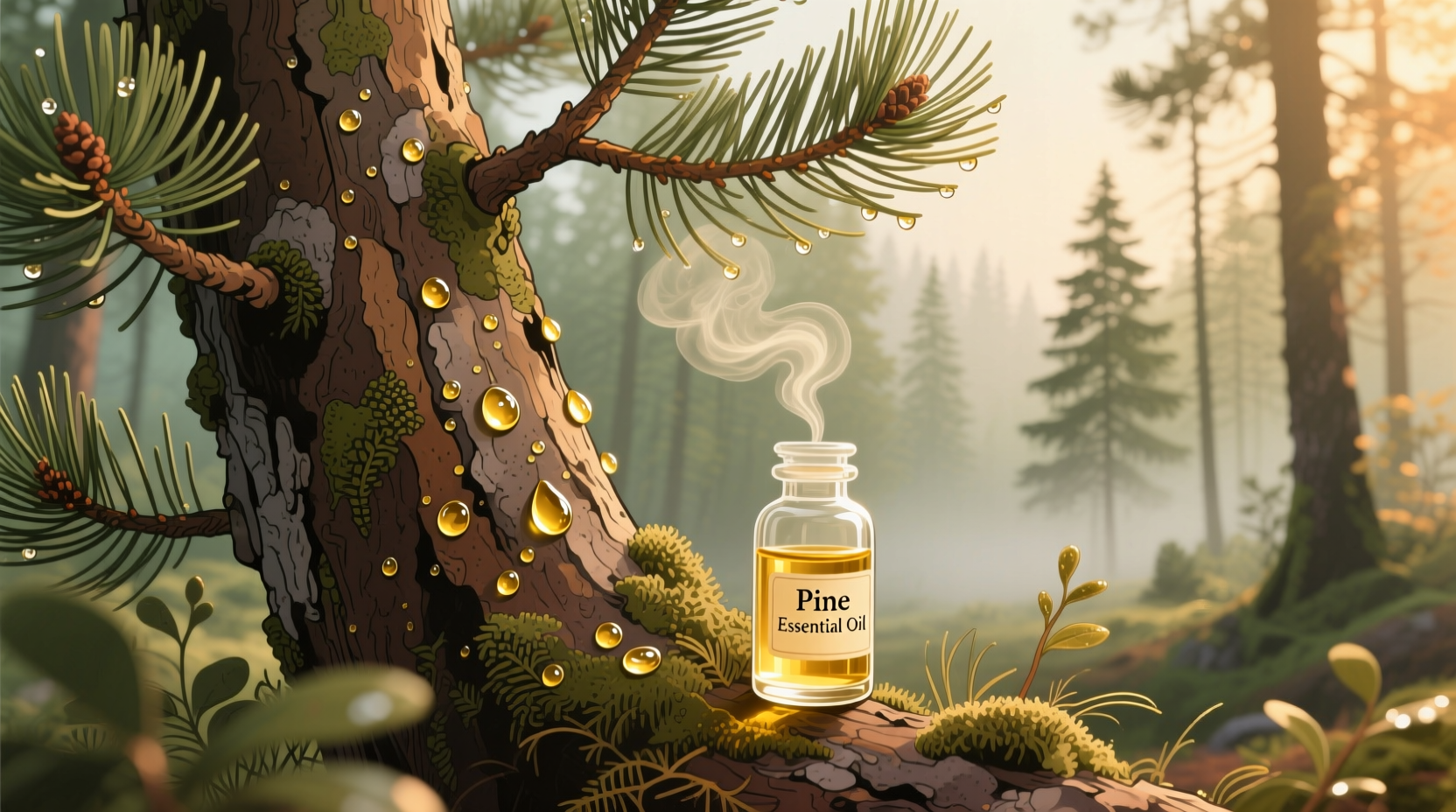
A live or freshly cut pine tree emits its signature scent through volatile organic compounds (VOCs), primarily alpha-pinene and beta-pinene. These terpenes are responsible for the sharp, resinous, slightly sweet fragrance associated with conifers. As a tree dries out, especially indoors, these compounds evaporate, leading to diminished scent over time.
Essential oils cannot regenerate the natural oils lost from a drying tree, but they can effectively supplement and enrich the ambient aroma. The key is selecting high-quality, pure essential oils that closely mimic the chemical profile of real pine without overwhelming or distorting it.
“Terpene-rich oils like Scotch pine or spruce work best when enhancing real pine because they share molecular similarities with the tree’s native emissions.” — Dr. Lena Torres, Aromachemist & Botanical Researcher
Choosing the Right Essential Oils
Not all “pine-scented” oils are created equal. Some are derived from actual pine species; others are synthetic or extracted from unrelated plants with similar notes. To authentically enhance a pine tree’s smell, prioritize oils that are:
- Steam-distilled from real conifer needles, twigs, or wood
- Labeled as 100% pure, with no added carriers or fragrances
- Sourced from sustainable harvests to protect forest ecosystems
The following essential oils blend seamlessly with natural pine:
| Oil Name | Source Plant | Scent Profile | Best Use Case |
|---|---|---|---|
| Scotch Pine | Pinus sylvestris | Clean, sharp, slightly balsamic | Direct enhancement of pine trees and wreaths |
| Fir Needle (e.g., Balsam or Silver) | Abies spp. | Sweeter, softer than pine, with citrus undertones | Blending to soften harshness |
| Spruce (Black or White) | Picea spp. | Earthy, woody, mildly camphoraceous | Adding depth to room diffusion |
| Frankincense | Boswellia carterii | Dry, resinous, meditative | Complementing pine for a forest-floor effect |
| Lemon or Grapefruit | Citrus limon / Citrus paradisi | Bright, uplifting, cleansing | Opening up heavy pine notes in blends |
Step-by-Step Guide to Enhance Pine Scent with Essential Oils
Follow this structured approach to safely and effectively boost the natural aroma of your pine tree or pine decorations using essential oils.
- Assess the pine source: Determine whether you’re working with a live potted tree, a cut Christmas tree, pine garlands, or outdoor landscaping. Drier materials benefit more from ambient diffusion than direct application.
- Hydrate first: If using a cut tree, ensure it has access to water. A well-hydrated tree releases more of its own natural scent, reducing the need for excessive oil use.
- Select a delivery method: Choose between diffusers, spray mists, or infused ornaments based on your setting and safety considerations (especially around pets or children).
- Create a synergistic blend: Combine 2–4 oils that support rather than overpower pine. Example: 3 drops Scotch Pine + 2 drops Balsam Fir + 1 drop Lemon per 100 mL diffuser capacity.
- Apply strategically: Diffuse near—but not directly on—the tree. For sprays, lightly mist the base or surrounding area, avoiding direct contact with needles to prevent drying.
- Maintain daily: Refresh diffuser blends every 1–2 days. Reassess scent intensity and adjust dilution if needed.
DIY Methods to Layer and Extend the Fragrance
Using essential oils doesn’t have to mean constant diffusing. With a few creative techniques, you can create long-lasting, low-maintenance enhancements that evolve naturally over time.
1. Pinecone Potpourri Boosters
Collect dry pinecones and place them in a sealed jar with 10–15 drops of Scotch Pine and 5 drops of spruce essential oil. Shake gently and let sit for 48 hours. Arrange the scented pinecones around the base of your tree or in decorative bowls. They’ll release fragrance gradually and last for weeks.
2. Cotton Ball Infusers
Place 3–4 cotton balls in small mesh bags or tucked into tree branches. Add 2 drops of pine essential oil to each. Replace every 5–7 days as scent fades. This method allows precise placement and minimizes exposure to pets.
3. Water-Based Room Spritz
Mix in an 8 oz (240 mL) glass spray bottle:
- 15 drops Scotch Pine essential oil
- 10 drops Balsam Fir essential oil
- 5 drops Sweet Orange essential oil
- 1 tsp vodka or witch hazel (as emulsifier)
- Distilled water to fill
Shake well before each use. Lightly mist the air around the tree—not directly onto it—to revive the atmosphere without accelerating needle dry-out.
4. Wooden Ornament Diffusers
Use unfinished wooden ornaments or slices of cedar. Apply 3–5 total drops of your chosen blend directly onto the surface. Hang on lower branches where airflow is minimal. Re-oil every 10–14 days.
Real-Life Example: Reviving a Holiday Tree’s Fading Scent
Karen, a homeowner in Vermont, noticed her Fraser fir Christmas tree had lost much of its fragrance by the second week of December. Despite regular watering, indoor heating was drying the needles faster than expected. She wanted to maintain the festive atmosphere without resorting to artificial sprays.
She created a simple blend of 4 drops Scotch Pine, 3 drops Silver Spruce, and 2 drops grapefruit in her ultrasonic diffuser, running it for 30 minutes twice daily in the living room. She also placed two oil-infused pinecones near the tree stand and hung a cedar slice ornament treated with 3 drops of fir oil.
Within hours, the room regained its forest-like freshness. Her family reported feeling more alert and relaxed during gatherings. The combination of subtle diffusion and passive release extended the sensory life of the tree well into January, far beyond what she’d experienced in previous years.
Checklist: Safe & Effective Use of Essential Oils with Pine Trees
Before applying any essential oils, follow this checklist to ensure effectiveness and safety:
- ✅ Confirm essential oils are 100% pure and undiluted
- ✅ Test diffuser blends in a small space first to assess potency
- ✅ Avoid spraying oils directly on pine needles (can accelerate drying)
- ✅ Keep diffusers away from heat sources and electrical outlets
- ✅ Use only glass or stainless-steel containers for oil storage
- ✅ Ensure proper ventilation when diffusing for extended periods
- ✅ Check pet and child safety: Pine and fir oils can be toxic if ingested or applied undiluted to skin
- ✅ Never leave diffusers unattended for more than 2 hours at a time
Common Mistakes to Avoid
Even well-intentioned efforts can backfire if basic principles are overlooked. Here are frequent errors and how to prevent them:
- Overpowering the space: Using too many drops creates an artificial, medicinal smell. Stick to recommended dilutions—less is more.
- Mixing incompatible oils: Strong florals or spices like cinnamon can clash with pine. Reserve complex blends for separate seasonal diffusions.
- Ignoring fire risk: Never apply oils near candles, fireplaces, or heated tree lights. Oils are flammable in concentrated form.
- Using plastic containers: Essential oils degrade plastic, potentially leaching chemicals. Always opt for glass or metal.
- Applying oils to dry trees: Dehydrated trees are brittle. Adding oils won’t restore moisture and may increase flammability.
Frequently Asked Questions
Can I mix essential oils with my Christmas tree’s water?
No. While some suggest adding oils to tree stands for scent, this can interfere with water uptake and accelerate drying. Essential oils do not dissolve in water and may coat the cut stem, blocking capillary action. Stick to external diffusion methods instead.
Are pine essential oils safe for pets?
Many conifer oils, including pine and fir, are toxic to cats and dogs if inhaled in high concentrations or ingested. If you have pets, diffuse oils briefly in well-ventilated areas and keep animals out of the room during use. Consult your veterinarian before regular diffusion.
How long do essential oil enhancements last?
Diffuser effects last 2–6 hours depending on room size and oil concentration. Passive methods like scented pinecones or wooden ornaments can remain fragrant for 2–4 weeks. Reapply oils as scent diminishes, typically every 7–14 days.
Conclusion: Create a Living Forest Experience
Enhancing the natural smell of a pine tree isn’t about covering it up—it’s about honoring and extending its essence. With thoughtful use of essential oils, you can transform your space into a sanctuary that captures the clarity and calm of a mountain forest. The goal is harmony: letting the tree lead, with essential oils as a gentle supporting note.
By choosing authentic oils, applying them responsibly, and layering techniques for sustained effect, you create more than a pleasant scent—you cultivate an atmosphere of renewal, focus, and seasonal joy. Whether it’s a holiday tradition or a year-round preference, this approach deepens your connection to nature, one breath at a time.




 浙公网安备
33010002000092号
浙公网安备
33010002000092号 浙B2-20120091-4
Comments
No comments yet. Why don't you start the discussion?