
The unmistakable scent of a fresh Christmas tree fills the room with warmth and nostalgia. But what if you could enhance that natural fragrance—without synthetic sprays or artificial additives? Essential oils offer a clean, aromatic way to deepen the holiday spirit while supporting indoor air quality and personal well-being. Unlike chemical air fresheners, which can release volatile organic compounds (VOCs), essential oils provide therapeutic benefits alongside their inviting scents. From pine and citrus to cinnamon and clove, the right oils can amplify your tree’s aroma, create a festive atmosphere, and even support seasonal immunity.
Using essential oils on your Christmas tree is not only effective but also simple, sustainable, and customizable. Whether you have a real fir, spruce, or an artificial tree, this guide walks through safe, practical methods to infuse your tree with natural fragrance using essential oils. You’ll learn which oils work best, how to apply them without damaging needles or décor, and how to extend the scent throughout the season.
Why Choose Essential Oils Over Synthetic Scents?
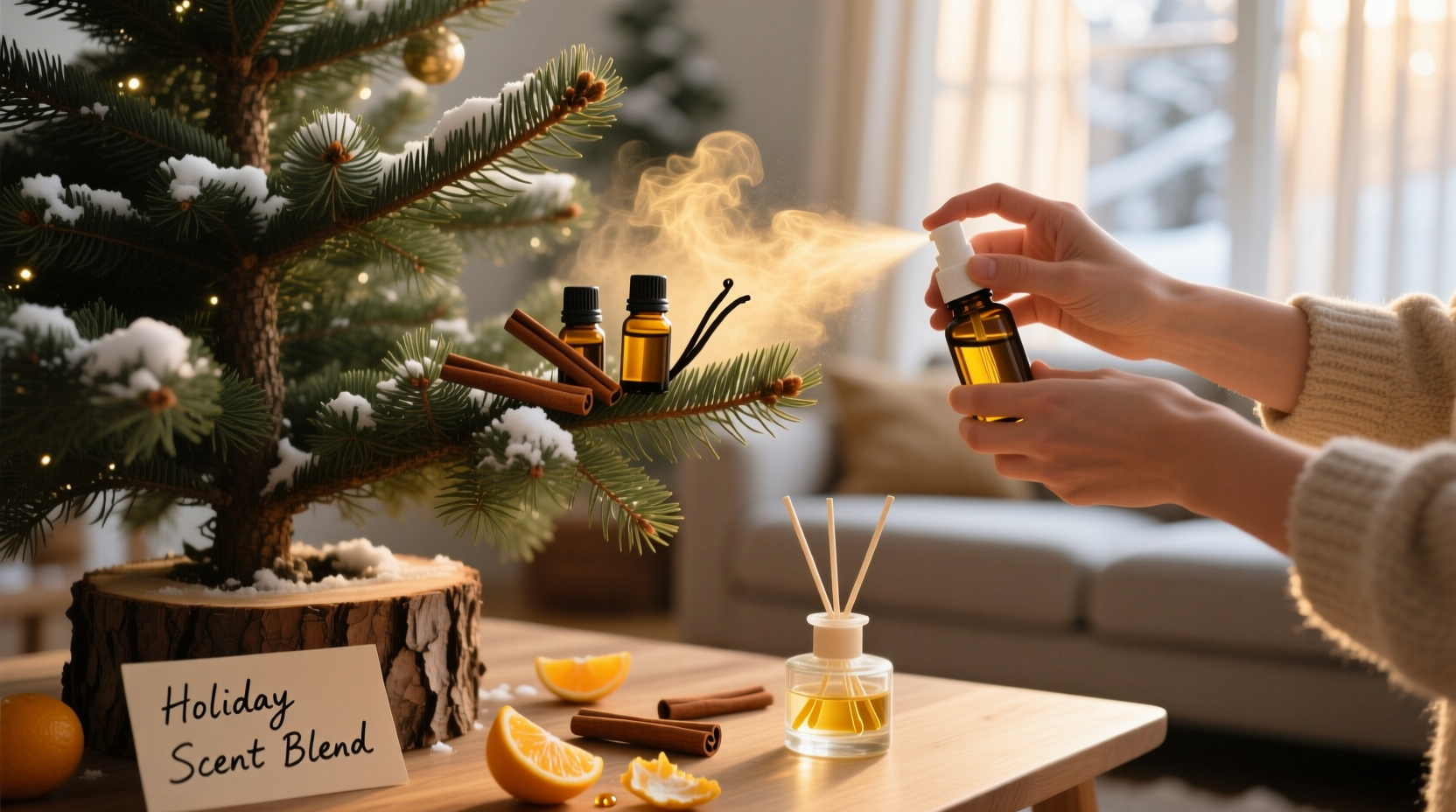
Synthetic Christmas tree sprays often contain alcohol, propylene glycol, and artificial fragrances that may trigger headaches, allergies, or respiratory irritation—especially in children and pets. In contrast, high-quality essential oils are derived from plants and retain many of the natural compounds found in their source botanicals. When diffused or applied correctly, they can uplift mood, reduce stress, and even possess antimicrobial properties.
Pine, spruce, and fir essential oils closely mimic the natural scent of evergreen trees. Adding citrus oils like orange or grapefruit introduces brightness, while warming spices such as cinnamon bark, clove, or cardamom evoke classic holiday baking aromas. Together, these oils blend seamlessly with your tree’s existing fragrance, creating a multi-layered sensory experience.
“Essential oils not only enhance ambiance but can also support emotional balance during the busy holiday season.” — Dr. Lena Torres, Aromatherapy Researcher and Author of *Natural Scenting for Wellness*
Best Essential Oils for Christmas Tree Scenting
Selecting the right essential oils is key to achieving a balanced, long-lasting fragrance. The following oils are particularly effective when used on or around a Christmas tree due to their compatibility with evergreen notes and their evocative holiday associations.
- Fir Needle – Crisp, woodsy, and authentic; mirrors the natural scent of a fresh-cut tree.
- Pine – Bright and invigorating, enhances air circulation and mental clarity.
- Spruce – Slightly sweet and balsamic, adds depth and richness.
- Balsam Fir – Often considered the quintessential Christmas tree scent; warm and resinous.
- Orange (Sweet or Wild) – Adds a cheerful, uplifting note; pairs beautifully with evergreens.
- Lemon – Cleansing and bright; helps cut through heavier woody notes.
- Cinnamon Bark – Spicy and warm; use sparingly as it’s a skin irritant in high concentrations.
- Clove Bud – Deep, rich spice; excellent for holiday blends but potent—dilute carefully.
- Vanilla (CO2 extract or fragrance-free vanilla oleoresin) – Not a true essential oil, but available in natural aromatic form; adds creamy sweetness.
- Cardamom – Subtle, complex spice with citrusy undertones; supports respiratory comfort.
A popular blend known as “Holiday Evergreen” combines 3 drops fir, 2 drops orange, and 1 drop cinnamon in a diffuser near the tree. This creates a familiar, heartwarming aroma without overwhelming the space.
Step-by-Step Guide to Applying Essential Oils to Your Tree
Applying essential oils safely ensures both effectiveness and preservation of your tree’s appearance. Follow this timeline-based method for optimal results:
- Day 1: Prepare Your Tools
Gather cotton balls, small glass spray bottles, wooden ornaments (like unfinished cork stars), or felt tags. Avoid plastic materials, as essential oils can degrade them. - Day 1–2: Deepen the Base Scent (For Real Trees)
If you have a real tree, add 5–10 drops of fir or pine essential oil directly into the water reservoir. The tree will absorb the oil along with water, subtly releasing the scent through transpiration. Do not exceed 10 drops to avoid clogging the vascular system. - Day 2: Create Scented Carriers
Place 3–5 drops of your chosen oil blend onto cotton balls. Tuck them deep within the branches, spacing them evenly around the tree. Replace every 5–7 days. - Day 3: Make a Natural Tree Spray
Mix 1 cup distilled water, 1 tablespoon witch hazel (as an emulsifier), and 15–20 total drops of essential oils in a glass spray bottle. Lightly mist the outer branches from 8–12 inches away. Avoid spraying lights, electronics, or delicate decorations. - Day 4: Use Absorbent Decorations
Attach small fabric pouches filled with dried orange slices, cloves, and a few drops of oil to lower branches. Alternatively, hang unfinished wooden ornaments that have been lightly dabbed with oil. - Ongoing: Daily Diffusion
Run an ultrasonic diffuser nearby with a seasonal blend for 30–60 minutes twice daily. This maintains consistent ambient scent without saturating the tree itself.
Do’s and Don’ts of Using Essential Oils on Christmas Trees
To protect your tree, home, and health, follow these guidelines when using essential oils:
| Do’s | Don’ts |
|---|---|
| Use glass or ceramic containers for mixing and storage | Store oils in direct sunlight or extreme heat |
| Dilute potent oils like cinnamon and clove before application | Apply undiluted oils directly to tree trunks or stands |
| Test sprays on a small branch first to check for needle damage | Use plastic spray bottles—oils can degrade plastic over time |
| Refresh cotton balls or diffuser blends every 5–7 days | Over-saturate branches, which can lead to mold or drooping |
| Keep diffusers out of reach of pets and children | Use oils toxic to pets (e.g., tea tree, eucalyptus) near birds or cats |
Particularly sensitive species like Douglas fir may show signs of needle browning if exposed to too much oil. Always observe your tree after initial application and adjust usage accordingly.
Real Example: A Naturally Scented Tree in a Family Home
In Portland, Oregon, Sarah Mendoza decided to eliminate synthetic air fresheners after her youngest child developed asthma-like symptoms during previous holiday seasons. Determined to keep the festive spirit alive without compromising health, she turned to essential oils for her family’s Fraser fir tree.
She began by adding six drops of organic balsam fir oil to the tree stand water. Then, she prepared five cotton balls with a blend of three drops orange, two drops spruce, and one drop cardamom, tucking them into different sections of the tree. She also made a linen spray with water, witch hazel, and a similar blend, lightly misting the lower third of the tree every three days.
Within hours, the living room was filled with a rich, layered aroma—woodsy yet bright, spicy but not overpowering. Her children loved helping make “scented snowflakes” from felt dipped in diluted vanilla and orange. Over the four-week season, Sarah refreshed the cotton balls weekly and ran a diffuser with a rotating blend each weekend. There were no respiratory issues, and guests consistently commented on how “authentically Christmassy” the house smelled.
“It felt good knowing we weren’t breathing in chemicals,” Sarah said. “The kids still talk about the ‘magic smell’ of our tree.”
Extended Uses: Beyond the Tree
Once your tree is beautifully scented, consider extending the aromatic experience throughout your holiday décor. Essential oils can be integrated into wreaths, garlands, and centerpieces using the same principles.
- Add a few drops of pine or spruce to a bowl of pinecones for a decorative and fragrant display.
- Infuse ribbon or twine by laying it on a tray with 2–3 drops of oil for several hours before wrapping gifts.
- Create a simmer pot on the stove with water, orange slices, cinnamon sticks, and 2 drops of clove oil to complement your tree’s scent.
These methods ensure a cohesive, immersive holiday atmosphere rooted in nature rather than synthetics.
FAQ
Can I use essential oils on an artificial Christmas tree?
Yes, but with caution. Artificial trees made of PVC or other plastics can be damaged by concentrated essential oils. Always dilute oils in water and use a fine mist spray. Test on a hidden area first. Felt, fabric, or wooden ornaments on the tree are safer surfaces for direct oil application.
How often should I reapply essential oils to maintain the scent?
Cotton balls and dry carriers typically last 5–7 days before needing refreshment. Misted branches hold scent for 2–3 days. Diffusers should be used intermittently—30 to 60 minutes at a time—to maintain air quality and prevent sensory overload.
Are there any essential oils I should avoid around pets or children?
Yes. Oils like tea tree, eucalyptus, wintergreen, and camphor are toxic to cats and birds. Cinnamon bark and clove bud are skin irritants and should be highly diluted and kept out of reach. Always diffuse in well-ventilated areas and supervise young children around scented items.
Final Checklist: Your Natural Scenting Plan
- Choose 2–3 complementary essential oils (e.g., fir + orange + cinnamon).
- Prepare tools: cotton balls, glass spray bottle, diffuser, optional wooden/felt ornaments.
- For real trees: Add 5–10 drops of evergreen oil to the stand water.
- Create a diluted spray (water + witch hazel + 15–20 drops oil per cup).
- Place scented cotton balls or ornaments inside the tree canopy.
- Begin diffusion near the tree for 30-minute intervals twice daily.
- Monitor tree health and refresh carriers weekly.
- Extend the scent to wreaths, garlands, and stovetop pots as desired.
Conclusion
Naturally scenting your Christmas tree with essential oils is more than a fragrance choice—it’s a commitment to cleaner air, mindful celebration, and holistic living. By replacing synthetic sprays with plant-derived aromatics, you create a safer, more intentional holiday environment that honors tradition and wellness alike. The methods outlined here are easy to implement, cost-effective over time, and deeply satisfying in their results.
This season, let your tree tell a story not just through lights and ornaments, but through scent—rich with memory, grounded in nature, and free from hidden toxins. With just a few drops of oil and a little attention to detail, you can transform your holiday space into a sanctuary of warmth and authenticity.




 浙公网安备
33010002000092号
浙公网安备
33010002000092号 浙B2-20120091-4
Comments
No comments yet. Why don't you start the discussion?