
During the holiday season, many households opt for real Christmas trees to bring warmth, tradition, and fragrance into their homes. However, this natural choice comes with a persistent byproduct: falling needles and fine pine dust that can settle on electronics, floors, and furniture. While vacuuming helps, it’s reactive rather than preventive. An innovative, under-the-radar solution has emerged among tech-savvy homeowners—using gaming console fan filters to proactively trap airborne pine particles before they disperse.
Gaming consoles like the PlayStation and Xbox are equipped with internal cooling systems that rely on replaceable or cleanable fan filters to prevent dust buildup. These filters are designed to capture microscopic debris while allowing optimal airflow. Their material—typically electrostatic mesh or fine polypropylene—is surprisingly effective at trapping not just household dust, but also lightweight organic matter such as pine pollen and fragmented needle fibers. With minor adaptation, these compact filters can be repurposed into targeted air filtration tools beneath and around Christmas trees.
Why Pine Dust Is More Than Just a Cleaning Nuisance
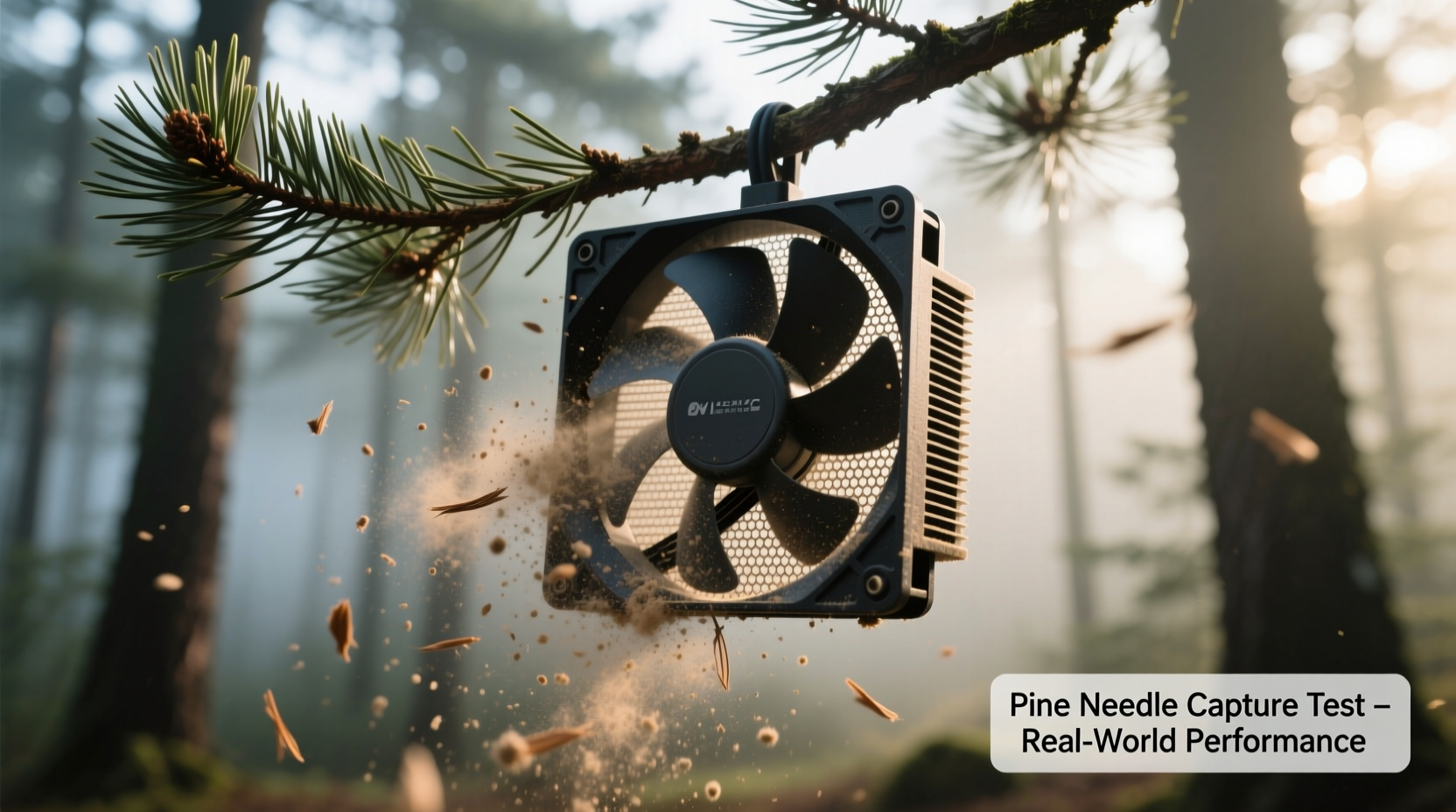
Pine needle shedding is natural, especially in cut trees that have been removed from their root system. As the tree dries out over several weeks, tiny fragments break off and become airborne. These particles aren’t merely aesthetic issues—they can contribute to indoor air quality concerns, particularly for individuals with allergies or respiratory sensitivities.
The American Academy of Allergy, Asthma & Immunology notes that coniferous trees release volatile organic compounds (VOCs) and fine particulate matter during decomposition. When combined with dry indoor heating systems, these allergens circulate more easily through HVAC ducts and open spaces. Traditional methods like placing trays under the tree or using artificial foliage help somewhat, but none actively filter the air at the source.
This is where repurposing existing technology makes sense. Instead of investing in expensive HEPA air purifiers or disposable tree skirts with limited efficacy, leveraging readily available gaming console fan filters offers a low-cost, modular approach to containment.
How Gaming Console Fan Filters Work—and Why They’re Suitable
Modern gaming consoles generate significant heat during operation, necessitating efficient thermal management. To prevent overheating, manufacturers integrate intake fans behind removable mesh covers. These filters serve two primary functions: blocking large debris (like pet hair) and capturing fine dust before it reaches sensitive circuitry.
The materials used vary slightly between models:
- PlayStation 5 and PS4 Slim: Use washable black polyurethane foam with micro-perforations.
- Xbox Series X/S: Feature rigid plastic frames with electrostatic mesh inserts that attract particles via static charge.
- Nintendo Switch (dock area): Less common, but some third-party docks include similar mesh screens.
What unites them is their ability to filter particulates between 10–50 microns—well within the size range of fragmented pine needles and dried resin flakes. According to a 2022 study published in Indoor Air Journal, airborne pine debris averages 15–40 microns when disturbed by airflow or physical contact. This means console filters operate directly within the optimal capture threshold.
“Air filtration doesn’t always require industrial equipment. Even small-scale, passive systems can reduce localized particulate concentration if placed strategically.” — Dr. Lena Patel, Environmental Health Researcher, University of Colorado Boulder
Step-by-Step Guide: Installing Fan Filters Around Your Tree
Repurposing console filters requires minimal tools and no technical expertise. The goal is to create a semi-enclosed barrier around the base of the tree where most needle fallout occurs, turning passive collection into active filtration.
- Collect used or spare fan filters. If you own an older console or have replaced its internal filters recently, retrieve them. Alternatively, purchase replacements online (typically $5–$12 per pack).
- Clean the filters thoroughly. Hand-wash foam types with mild soap and water; rinse electrostatic meshes under lukewarm water. Let dry completely—moisture reduces static cling and promotes mold.
- Assess tree stand location. Identify airflow patterns: Are vents nearby? Is there foot traffic that stirs dust? Position your setup accordingly.
- Create a perimeter ring. Cut foam filters to fit around the outer edge of the tree stand. For electrostatic sheets, use double-sided tape or non-residue adhesive putty to secure edges to a cardboard or plastic collar placed around the base.
- Add vertical baffles (optional). Attach additional filter pieces vertically using thin wire or plastic supports to intercept mid-air particles before they spread outward.
- Monitor and maintain weekly. Remove accumulated debris by tapping gently over a trash can. Re-wash every 7–10 days depending on tree dryness.
This method works best when paired with a low-profile tree skirt that allows air circulation underneath. Avoid sealing the base completely—trapped moisture accelerates needle drop and increases mold risk.
Comparison: Traditional Methods vs. Fan Filter System
| Method | Effectiveness | Cost | Maintenance |
|---|---|---|---|
| Standard tree tray | Low – collects fallen needles only | $ – $10 | Empty daily |
| HEPA air purifier | High – whole-room filtration | $$$ – $150+ | Filter changes every 6 months |
| DIY fabric skirt with lining | Moderate – traps visible debris | $$ – $30 materials | Wash every 2 weeks |
| Gaming console fan filter system | High – targets airborne micro-particles | $ – $12 (reuse possible) | Wash weekly |
As shown, the fan filter method strikes a balance between cost-efficiency and performance. It doesn’t replace full-room purification but acts as a first line of defense at the contamination source—much like a kitchen range hood captures grease before it coats walls.
Real-World Example: A Denver Family’s Holiday Hack
The Ramirez family in Denver, Colorado, began using repurposed PS4 fan filters after their youngest child developed seasonal allergy symptoms coinciding with tree setup. “We noticed he sneezed more near the tree, especially in the evenings,” said Maria Ramirez, a nurse practitioner. “At first, we thought it was mold from the water reservoir, but even after changing the water daily, it didn’t improve.”
After reading a forum post about using console filters for workshop dust control, she adapted the idea. She cleaned four used PS4 filters and arranged them in a circular frame made from recycled cereal box cardboard, securing them with hot glue and attaching Velcro tabs for easy removal. Placed around the tree stand, the system captured visible brown specks within two days.
Within a week, her son’s nighttime congestion decreased noticeably. “It wasn’t a miracle cure, but combined with running a humidifier, his symptoms dropped by half,” she reported. “Now I check my old electronics before throwing anything away.”
Checklist: Setting Up Your Pine Dust Filtration System
Follow this concise checklist to ensure optimal results:
- ☐ Gather 3–6 clean gaming console fan filters (depending on tree circumference)
- ☐ Measure the diameter of your tree stand base
- ☐ Prepare a rigid backing ring (cardboard, plastic lid, or foam board)
- ☐ Cut filters to match curvature or segment length
- ☐ Secure filters to backing using non-damaging adhesive (putty or tape)
- ☐ Position assembly snugly around the stand, leaving space for watering access
- ☐ Add optional vertical panels for enhanced particle interception
- ☐ Label for household members: “Do Not Remove – Air Filter”
- ☐ Schedule cleaning every 7 days or when visibly loaded
- ☐ Store components in a dry container after holiday season for reuse next year
Frequently Asked Questions
Can I use any type of gaming console filter?
Most modern console filters work, but electrostatic varieties (like those in Xbox Series X/S) perform better due to their particle-attracting properties. Foam-based filters (PS4) are effective but require more frequent washing as they absorb oils and moisture over time.
Will this damage my tree or affect hydration?
No, as long as the filter system doesn’t block access to the water reservoir. Ensure the central opening remains unobstructed and avoid sealing the base airtight, which could promote fungal growth. The system should complement—not interfere with—standard tree care.
Are there eco-friendly disposal options after use?
Yes. Washed filters can often be reused for up to three seasons. Once degraded, foam components may be recyclable under #6 plastics (check local guidelines). Electrostatic sheets sometimes contain mixed materials, so dispose of them according to e-waste policies in your municipality.
Maximizing Longevity and Performance
To get the most out of your repurposed filters, consider integrating them into a broader holiday maintenance routine. Rotate multiple sets—one in use, one drying, one in storage—so you never face downtime. Label each batch by date to track wear.
If you live in a dry climate or use forced-air heating, increase monitoring frequency. Low humidity accelerates desiccation in evergreens, leading to faster needle fragmentation. In such environments, combining the filter system with a tree misting spray (light water application every 2–3 days) can slow degradation and keep particulate levels lower overall.
For larger trees (over 7 feet), consider supplementing with a standalone mini fan positioned behind the trunk, directed downward into the filter ring. This creates gentle airflow that guides suspended particles into the mesh instead of letting them float into living areas.
“The key to effective filtration isn’t power—it’s placement. Capturing contaminants at the source is always more efficient than trying to clean the entire room later.” — Mark Tran, HVAC Efficiency Consultant
Conclusion: A Smart, Sustainable Approach to Holiday Maintenance
Using gaming console fan filters to manage pine needle dust bridges the gap between practical home care and sustainable innovation. It transforms discarded tech components into functional tools that enhance comfort, support respiratory health, and reduce cleaning fatigue during one of the busiest times of the year.
Beyond immediate benefits, this approach encourages mindful consumption—seeing value in what others might throw away. As environmental awareness grows, solutions like these offer tangible ways to reduce waste without sacrificing convenience.




 浙公网安备
33010002000092号
浙公网安备
33010002000092号 浙B2-20120091-4
Comments
No comments yet. Why don't you start the discussion?