
Decorating a Christmas tree is one of the most cherished holiday traditions, and adding garland is a timeless way to elevate its charm. Whether you're using classic tinsel, rustic popcorn strands, or handcrafted greenery, garland adds depth, texture, and warmth to your tree. The key is not just in choosing the right type, but in applying it with intention and style. With the right techniques, even a simple strand can transform an ordinary tree into a festive focal point.
Choose the Right Type of Garland
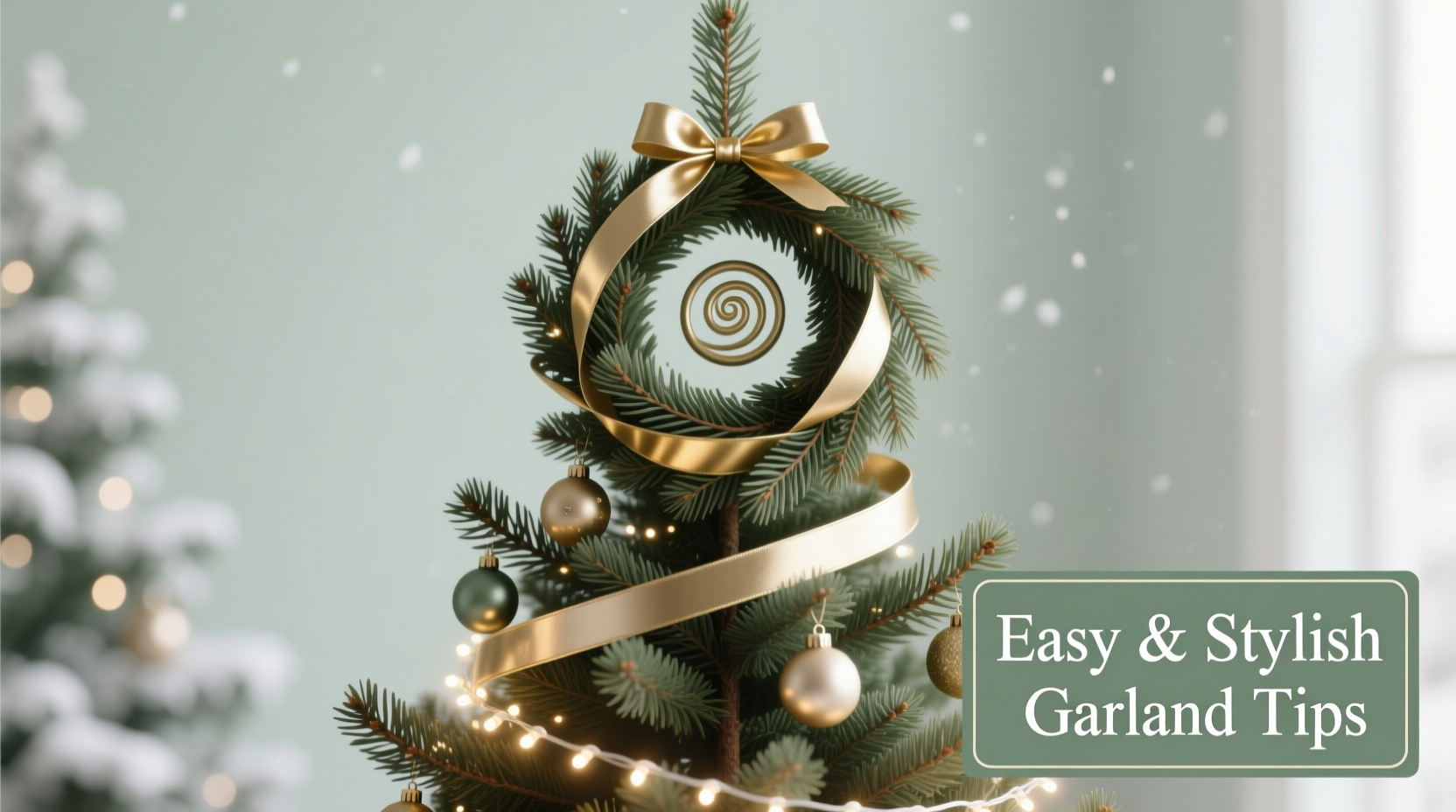
Before wrapping your tree, consider the material and aesthetic of the garland. Different types create vastly different moods and suit various decorating styles. Here’s a quick guide to help you decide:
| Garland Type | Best For | Pros | Cons |
|---|---|---|---|
| Tinsel | Vintage or glamorous themes | Sparkly, durable, reusable | Can look dated if overused |
| Popcorn & Cranberries | Rustic, farmhouse, or traditional decor | Natural look, biodegradable | Attracts pests; fragile |
| Faux Greenery (eucalyptus, pine, etc.) | Elegant, modern, or woodland themes | Realistic, long-lasting | Pricier than basic options |
| Felt or Fabric | Kids’ rooms or handmade crafts | Safe, washable, customizable | Less dimensional |
| Beaded or Ribbon | Luxury or monochromatic schemes | Sleek, elegant, reusable | Can tangle easily |
Selecting the right garland starts with your overall theme. A minimalist white tree pairs beautifully with silver beaded strands, while a cozy cabin-style tree shines with thick pine garlands and popcorn loops.
Step-by-Step Guide to Wrapping Garland on Your Tree
Applying garland may seem intuitive, but doing it well requires a methodical approach. Follow these steps to achieve a balanced, professional look:
- Start from the top – Begin near the trunk at the upper third of the tree. This ensures the garland flows naturally downward and avoids gaps at the crown.
- Work in sections – Divide the tree into three zones: top, middle, bottom. Apply garland in a gentle spiral, moving clockwise or counterclockwise consistently.
- Use the “draping” technique – Instead of pulling tight, let the garland drape loosely between branches. This creates movement and mimics natural growth.
- Anchor with floral wire or twist ties – Secure every 12–18 inches by looping around inner branches. Avoid visible plastic hooks—they disrupt the flow.
- Fill sparse areas – If your tree has thin spots, weave extra garland through those branches to balance density.
- Blend with lights – If using string lights, layer garland after the lights are evenly distributed so strands don’t get tangled.
The goal is a harmonious cascade—not too tight, not too loose. Think of it like styling hair: volume and flow matter more than uniformity.
Styling Tips for a Cohesive and Elegant Look
Garland shouldn’t stand out as a single element; it should integrate seamlessly with ornaments, lights, and tree topper. Consider these design principles:
- Match scale to tree size – A tall, full tree can handle thick, chunky garlands. Slender trees look best with delicate strands like ribbon or fine tinsel.
- Repeat colors and textures – Echo the garland’s hues in your ornaments. For example, pair pine garland with wooden accents and forest-green baubles.
- Vary placement – Don’t wrap every branch. Leave some areas open to highlight standout ornaments or clusters of lights.
- Add scent subtly – Real evergreen garlands release a fresh aroma. For faux versions, tuck in a few drops of essential oil on cotton balls hidden in the branches.
“Garland is the ‘thread’ that weaves your tree’s story together. It connects ornaments, enhances shape, and adds rhythm to the design.” — Clara Mendez, Interior Stylist & Holiday Decor Consultant
Mini Case Study: Transforming a Bare Tree in 20 Minutes
Sarah, a busy mom in Vermont, had a pre-lit artificial tree that always looked flat. One year, she decided to focus on garland as her primary decorative element. She chose a 15-foot mixed pine and berry faux garland and followed the spiral-wrapping method starting from the top. She anchored every foot with thin green wire and layered it over existing white lights. After just 20 minutes, the tree looked fuller, more organic, and far more inviting. Her guests assumed she’d spent hours decorating. The secret? Strategic garland placement gave the illusion of meticulous detail without the effort.
Common Mistakes to Avoid
Even experienced decorators make missteps when applying garland. Steer clear of these pitfalls:
- Overloading the tree – Too much garland overwhelms ornaments and creates visual noise. Stick to 1–2 strands depending on tree size.
- Starting from the bottom – This often leads to uneven distribution and sagging at the top.
- Using mismatched materials – Combining shiny tinsel with rustic burlap ribbons can clash unless intentionally styled.
- Ignoring safety – Never use flammable materials like dry popcorn or paper chains on a tree near heat sources or with non-LED lights.
Checklist: How to Use Garland Like a Pro
Follow this quick checklist before and during decoration:
- ☐ Choose garland that complements your tree’s color scheme and theme
- ☐ Measure your tree height and circumference to estimate garland length (rule of thumb: 9 feet of garland per foot of tree height)
- ☐ Ensure lights are already evenly placed on the tree
- ☐ Start wrapping from the upper third, working in a consistent spiral
- ☐ Secure every 12–18 inches using discreet fasteners
- ☐ Step back frequently to check balance and coverage
- ☐ Finish by adding ornaments that interact with the garland, like nestled pinecones or hanging bells
FAQ
How much garland do I need for a 7-foot tree?
A good rule is 7 to 9 feet of garland per foot of tree height. For a 7-foot tree, aim for 50 to 65 feet total. If using multiple strands or thicker garlands, adjust accordingly to avoid overcrowding.
Can I reuse homemade popcorn garland?
It’s not recommended. Popcorn garlands can become brittle, attract insects, or develop odors over time. They’re best composted after the season and recreated fresh each year.
Should garland go over or under ornaments?
Garland should be applied before placing most ornaments. This allows you to weave decorations into the garland for a cohesive look. Larger statement pieces can be added afterward.
Conclusion
Using garland on a Christmas tree is more than a decoration step—it’s an art form that brings rhythm, texture, and tradition to your holiday display. By selecting the right material, applying it with a thoughtful spiral technique, and integrating it into your broader design, you can create a tree that feels both effortless and elegant. Whether you prefer nostalgic popcorn strands or sleek modern ribbons, the key is intentionality. A well-dressed tree doesn’t require hundreds of ornaments—just a few smart choices that work in harmony.




 浙公网安备
33010002000092号
浙公网安备
33010002000092号 浙B2-20120091-4
Comments
No comments yet. Why don't you start the discussion?