
Finding the location of a house from a single photograph may seem like something out of a detective thriller, but with today’s digital tools and analytical methods, it’s entirely possible. Whether you’re trying to track down a childhood home, verify a property listing, or satisfy curiosity about a scenic house seen online, image search technology combined with observational skills can lead you to accurate results. This guide walks through proven strategies, tools, and real-world techniques to turn a static image into a precise geographic location.
Analyzing Visual Clues Before Searching
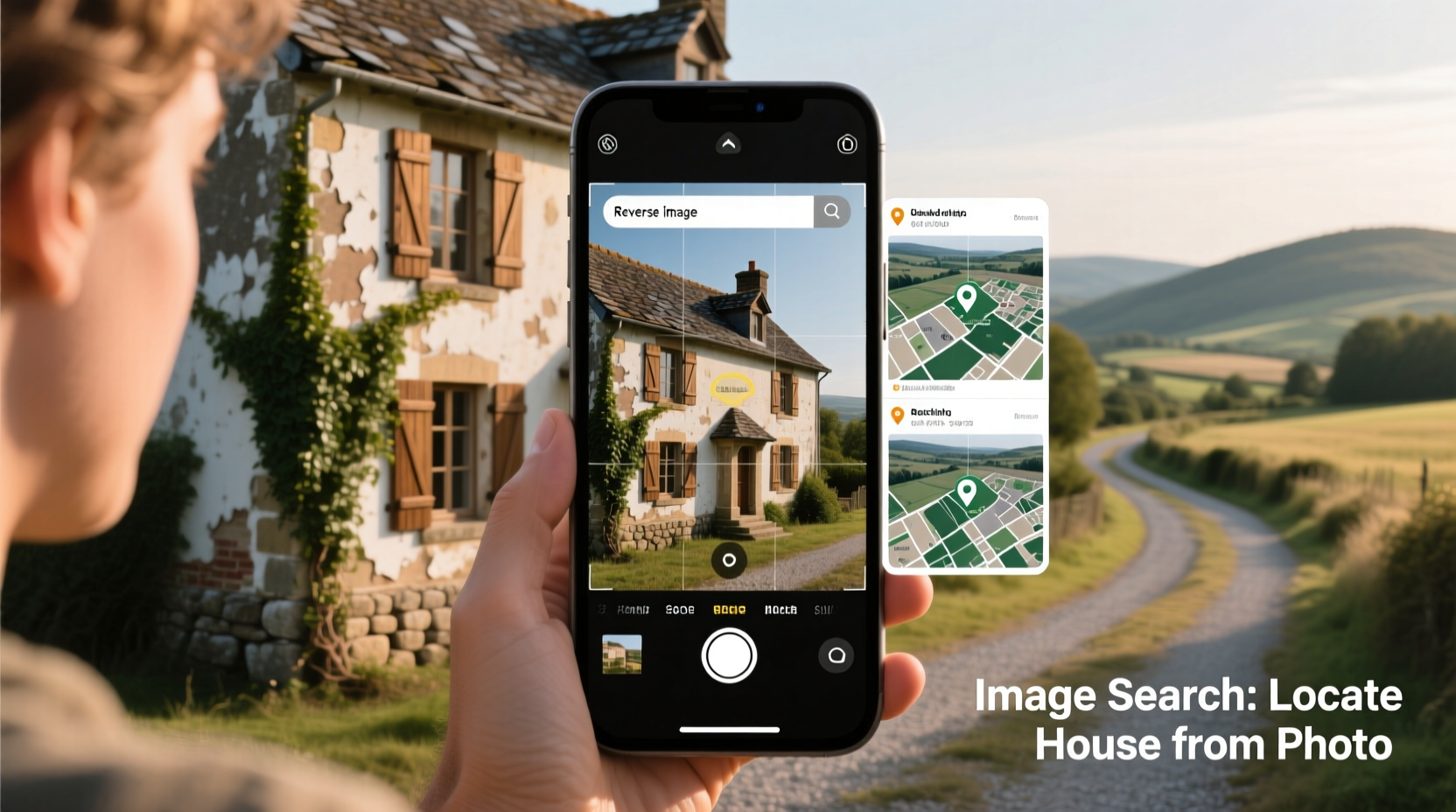
Before uploading an image to any search engine, take time to examine every visible detail. The photo itself often holds critical information that can drastically improve your chances of success. Look for architectural features, street signs, vehicle license plates, unique landscaping, or even shadows that suggest cardinal direction and approximate time of day.
Pay attention to regional building styles. For example, Victorian homes with ornate woodwork are common in San Francisco, while ranch-style houses dominate suburban Texas. Roof shapes, window types, and materials like stucco or brick can hint at climate zones and local construction trends.
Even subtle elements like satellite dish orientation (common in rural areas) or solar panel placement (indicating sun exposure preferences) provide indirect data. If trees are present, their species may indicate latitude—palm trees suggest southern U.S. or tropical regions, while pine forests point toward northern climates.
Using Reverse Image Search Tools Effectively
Reverse image search is the cornerstone of identifying unknown locations. Platforms like Google Lens, Bing Visual Search, and Yandex.Images allow you to upload a photo and find matching or similar images across the web.
Start with Google Lens, accessible via the Google app or Chrome browser. Upload your image and review results for indexed pages where the same or similar house appears. Sometimes, the house will appear in real estate listings, news articles, or social media posts with explicit location tags.
Yandex often outperforms Google when dealing with residential architecture, especially in Europe and Asia. Its algorithm excels at recognizing structural patterns and facades, making it ideal for pinpointing buildings in densely populated urban areas.
“Reverse image search isn’t just about exact matches—it’s about finding contextual breadcrumbs.” — Dr. Lena Torres, Digital Forensics Researcher, MIT Media Lab
To maximize results, crop the image to focus on the most distinctive part of the house—the front door, porch design, or roofline. Avoid including large areas of sky or generic lawns unless they contain unique features.
Step-by-Step Guide to Locating a House from a Photo
- Examine the image: Note architectural details, colors, vegetation, and any visible signage.
- Crop strategically: Isolate the most unique feature of the house for upload.
- Run reverse searches: Use Google Lens, Yandex, and TinEye to check for matches.
- Analyze metadata (if available): Check EXIF data using tools like Jeffrey’s Exif Viewer.
- Cross-reference findings: Combine visual clues with map services like Google Earth.
- Validate with Street View: Navigate nearby streets virtually to confirm matches.
Combining Tools with Geolocation Techniques
When direct image matches fail, shift to geolocation deduction. Start by estimating the hemisphere based on shadow angles. In the Northern Hemisphere, shadows fall northward during midday; in the Southern, they fall southward. Use free tools like SunCalc.org to simulate sun position based on time and date assumptions.
Next, leverage Google Earth and Street View. If you suspect a city or neighborhood, navigate systematically along residential streets. Look for matching rooflines, driveways, or neighboring structures. Some users have successfully located houses simply by matching garage door styles or fence materials visible in both the mystery photo and Street View.
| Tool | Best For | Limits |
|---|---|---|
| Google Lens | Web-based image matching, quick results | Less effective with obscure or uncropped images |
| Yandex.Images | Architectural recognition, European properties | Interface not fully English-friendly |
| TinEye | Finding older or cropped versions of images | Smaller database than Google or Yandex |
| Google Earth Pro | Geolocation verification, 3D modeling | Requires manual navigation; time-intensive |
Real Example: Tracking Down a Vacation Rental
A traveler once tried to rebook a charming seaside cottage seen in a friend’s vacation photo. The image showed only the front of the house, a white picket fence, and a surfboard leaning against the wall—but no address. Using Google Lens, no direct matches appeared. However, Yandex returned a thumbnail linked to a local Airbnb listing in Encinitas, California.
The user then cross-referenced the roof shingle pattern and shutter color with Google Street View. After navigating coastal streets near Moonlight Beach, they found an identical house on Ivy Street. A follow-up search confirmed the property’s rental name and booking availability. What started as a vague image ended in a confirmed reservation.
Checklist: Can You Locate This House?
- ✅ Have I examined all visible architectural details?
- ✅ Have I removed unnecessary background before uploading?
- ✅ Have I tried Google Lens, Yandex, and TinEye?
- ✅ Is there any EXIF data revealing GPS coordinates?
- ✅ Can I estimate the hemisphere using shadow direction?
- ✅ Have I used Google Earth to scan plausible neighborhoods?
- ✅ Did I verify findings with Street View?
Frequently Asked Questions
Can I find a house from a picture if it's not online anywhere?
Possibly, but it requires more effort. Without digital traces, you’ll rely on geolocation analysis and manual comparison via Google Earth. Success depends on distinctiveness—if the house has unique features, it’s more likely to be identifiable even without prior indexing.
Is it legal to locate someone’s house from a photo?
Using publicly available tools and images is generally legal. However, using this information to harass, stalk, or invade privacy crosses ethical and legal boundaries. Always respect personal privacy and use these techniques responsibly—for reunions, research, or property verification—not intrusion.
What if the photo is blurry or low-resolution?
Low-quality images reduce accuracy, but not all hope is lost. Enhance contrast and sharpness using free tools like Fotor or GIMP, then focus on larger structural elements like roof shape or window alignment. Even partial matches can yield contextual leads.
Conclusion: Turn Pixels Into Places
Locating a house from a photograph blends technology, observation, and persistence. Modern image search tools offer powerful starting points, but human insight turns fragmented clues into meaningful discoveries. From reverse searches to shadow analysis, each step narrows the possibilities until the right address emerges.
Whether you're reconnecting with memories, verifying a listing, or solving a personal mystery, the process empowers you to uncover hidden connections in the visual world. With practice, what once seemed impossible becomes a solvable puzzle—one pixel at a time.




 浙公网安备
33010002000092号
浙公网安备
33010002000092号 浙B2-20120091-4
Comments
No comments yet. Why don't you start the discussion?