
Magnetic phone cases have surged in popularity thanks to their seamless compatibility with car mounts, wallet attachments, and MagSafe-style accessories. However, many users hesitate to adopt them due to concerns about interference with wireless charging. The truth is, not all magnetic cases disrupt charging—and even those that do can often be used effectively with the right knowledge and precautions.
The key lies in understanding how magnets interact with wireless charging systems, selecting the right case design, and optimizing placement and usage habits. With the growing integration of magnet arrays in modern smartphones—especially Apple’s iPhone 12 and later models—manufacturers are now designing magnetic cases specifically to coexist with Qi and MagSafe charging standards.
Understanding How Magnets Affect Wireless Charging
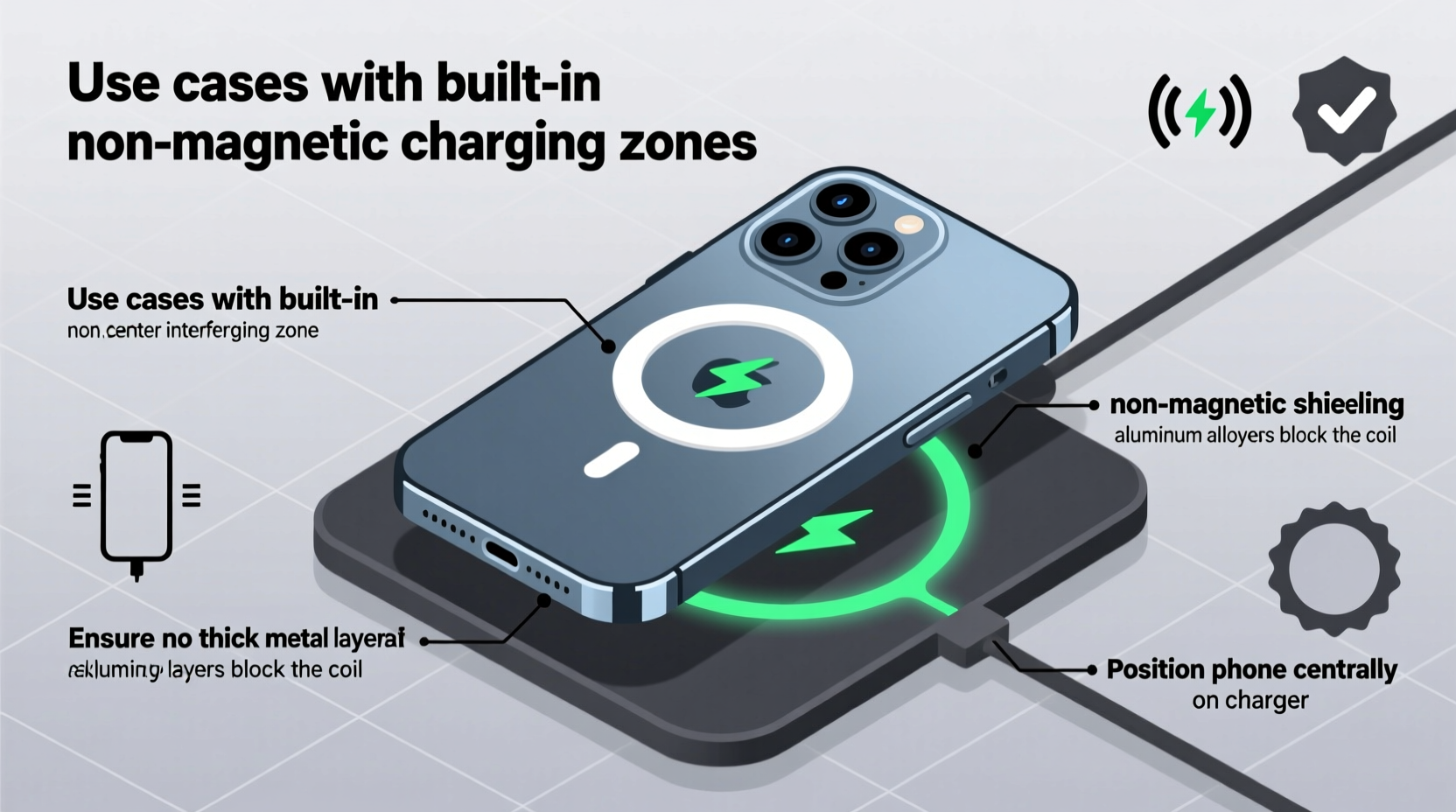
Wireless charging relies on electromagnetic induction. A charging pad generates an alternating electromagnetic field, which induces a current in a coil inside your phone, thereby charging the battery. This process requires close alignment and minimal interference between the phone’s internal coil and the charger’s coil.
When strong magnets are placed between these coils—especially if they’re poorly positioned—they can distort the magnetic field, reduce efficiency, or prevent charging altogether. However, modern phones like iPhones include built-in magnet rings (MagSafe) designed to align perfectly with compatible chargers. Magnetic cases that integrate into this system, rather than interfere with it, actually improve alignment and charging stability.
“Not all magnets are problematic. It’s about placement, strength, and compatibility with the phone’s internal architecture.” — Dr. Lin Zhao, Electromagnetic Systems Engineer at MobileTech Labs
Selecting the Right Magnetic Case
Choosing a case that supports both secure magnet attachment and reliable wireless charging starts with knowing what to look for. Avoid generic third-party magnetic cases with haphazardly placed metal plates. Instead, prioritize cases engineered for your specific phone model, especially those certified as “MagSafe-compatible” or tested for Qi efficiency.
Look for the following features:
- Integrated magnet ring alignment: Ensures magnets sit around the charging coil, not over it.
- Thin metal shielding: Prevents magnetic interference while maintaining signal integrity.
- Qi-certified compatibility: Indicates the case has passed independent testing for wireless charging performance.
- Minimal thickness: Excessive bulk increases distance between coils, reducing charging speed and efficiency.
Optimizing Placement and Usage Habits
Even high-quality magnetic cases require mindful handling to maintain peak charging performance. The way you position your phone on the charger matters significantly. Misalignment—even by a few millimeters—can degrade efficiency, especially when combined with magnetic interference.
To maximize charging consistency:
- Center your phone precisely on the charging pad. Many newer chargers include audible or visual feedback when alignment is correct.
- Avoid stacking multiple accessories (e.g., a magnetic wallet + thick case) unless they’re designed to work together.
- Remove any external metal objects or credit cards with RFID strips from the back of the phone, as these can also disrupt induction.
- Use vertical stands or puck-style chargers with magnetic alignment guides to reduce positioning errors.
Mini Case Study: Real-World Performance Comparison
Jenna, a digital marketer based in Austin, uses her iPhone 14 Pro daily for navigation, calls, and social media. She initially avoided magnetic cases due to failed experiences with older models that blocked charging entirely. After switching to an Apple-certified MagSafe case, she noticed immediate improvements: faster charge initiation, consistent full-speed charging, and stable mounting during drives.
She tested three scenarios over one week:
| Case Type | Charging Success Rate | Average Charge Time (from 20% to 80%) |
|---|---|---|
| Generic magnetic case with central metal plate | 58% | Failed or inconsistent |
| Third-party MagSafe-compatible case | 92% | 1 hour 42 minutes |
| Apple Original MagSafe Case | 100% | 1 hour 28 minutes |
The results confirmed that proper magnet placement and certification make a measurable difference in real-world usability.
Step-by-Step Guide to Using Magnetic Cases Without Charging Issues
Follow this sequence to ensure optimal performance when using a magnetic phone case:
- Verify compatibility: Confirm your phone model supports magnetic accessories (e.g., iPhone 12 and later, select Android models with similar tech).
- Choose a certified case: Select a case labeled as Qi-certified or MagSafe-compatible. Check user reviews focusing on charging reliability.
- Inspect magnet placement: If possible, check product specs or teardown videos to confirm magnets encircle the charging coil rather than overlaying it.
- Test before committing: Use the case with your existing wireless charger. Monitor whether charging starts immediately and continues uninterrupted.
- Pair with a quality charger: Use a reputable Qi2 or MagSafe-certified charger known for strong alignment detection and power delivery.
- Monitor temperature: If the phone or case gets unusually hot during charging, remove the case temporarily and reassess compatibility.
Do’s and Don’ts: Magnetic Case Best Practices
| Do’s | Don’ts |
|---|---|
| Use MagSafe-certified cases and chargers | Use thick, non-aligned magnetic cases with central metal plates |
| Keep the charging surface clean and unobstructed | Stack multiple magnetic accessories unless designed to work together |
| Charge on flat, stable surfaces when possible | Ignore warning signs like slow charging or frequent disconnections |
| Update your phone’s software regularly—some updates optimize magnetic accessory recognition | Assume all “magnetic” cases are created equal |
Frequently Asked Questions
Can I wirelessly charge my phone with any magnetic case?
No. Only magnetic cases specifically designed for wireless charging—such as those with peripherally arranged magnets or official MagSafe certification—should be used. Cases with large central metal plates typically block or severely reduce charging efficiency.
Will a magnetic case damage my phone’s battery or internals?
Under normal conditions, no. Modern smartphones are shielded against moderate magnetic fields. The magnets used in approved accessories are low-strength and strategically placed to avoid critical components. Long-term exposure to poorly designed magnets may affect compass accuracy temporarily, but not battery health.
Are third-party magnetic cases safe for wireless charging?
Some are, but not all. Look for explicit mention of Qi or MagSafe compatibility, read verified customer reviews, and prefer brands that publish technical details about magnet placement. Reputable third-party manufacturers like ESR, Spigen, and Nomad offer well-engineered options that perform nearly as well as original equipment.
Final Thoughts and Recommendations
Magnetic phone cases don’t have to come at the cost of wireless charging performance. In fact, when chosen wisely, they enhance the overall user experience by combining secure mounting, sleek design, and efficient charging. The secret lies in prioritizing engineering over aesthetics—choosing cases that respect the physics of electromagnetic induction.
As wireless charging standards evolve—particularly with the adoption of Qi2, which includes built-in magnetic alignment—users can expect even greater harmony between magnetic accessories and charging systems. Until then, informed choices today ensure you enjoy the convenience of magnets without sacrificing functionality.




 浙公网安备
33010002000092号
浙公网安备
33010002000092号 浙B2-20120091-4
Comments
No comments yet. Why don't you start the discussion?