
Every day, millions of iPhone users risk dropping their devices on hard surfaces—sidewalks, stairs, kitchen tiles. A single fall can result in cracked screens, internal damage, or costly repairs. While most cases claim to offer \"shockproof\" protection, not all live up to the promise. Choosing the right case isn’t just about looks or price; it’s about understanding materials, certifications, design features, and real-world performance. With the right knowledge, you can separate marketing hype from genuine impact resistance and keep your iPhone safe through life’s inevitable tumbles.
Understand What “Shockproof” Really Means
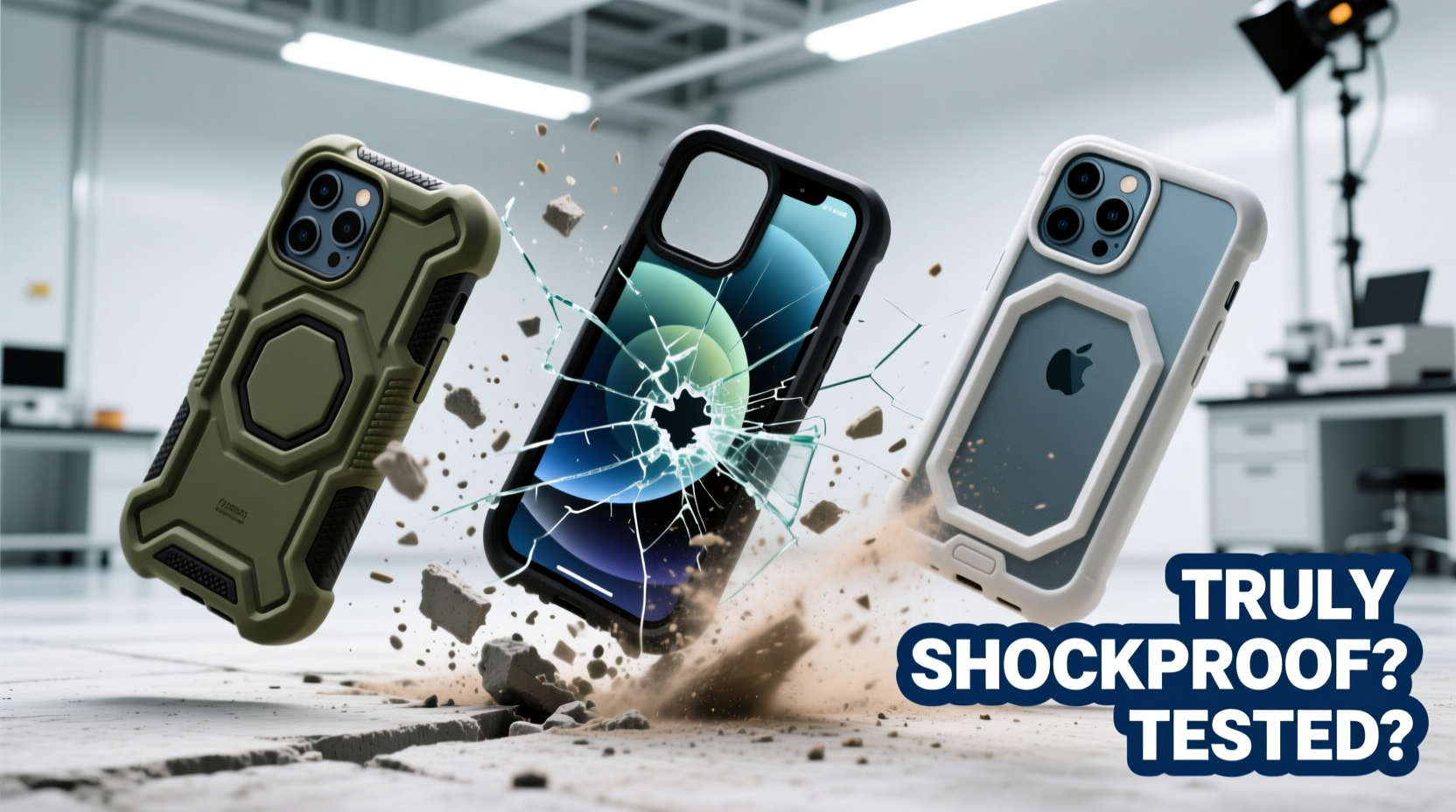
The term “shockproof” is often used loosely in consumer electronics marketing. Technically, no case can make a phone completely immune to damage under all conditions. However, a genuinely shockproof case significantly reduces the risk of damage by absorbing and dispersing impact energy during a drop.
True shock absorption involves multiple layers: an outer shell that resists abrasion, a middle layer designed to compress upon impact (like TPU or silicone), and sometimes an inner lining that cushions the phone further. The best designs use physics—channeling force away from vulnerable areas like corners and edges, where iPhones are most likely to sustain damage.
“Drop protection isn’t about thickness—it’s about intelligent engineering. Multi-layered systems with corner reinforcement perform better than bulky, one-material cases.” — Dr. Alan Zhou, Materials Engineer at Mobile Impact Labs
Evaluate Industry Testing Standards
To determine whether a case is truly shockproof, look beyond slogans like “military-grade” or “built to survive.” Instead, check if the manufacturer references standardized drop tests. Two key benchmarks matter:
- MIL-STD-810G: A U.S. military standard for equipment durability. While not designed specifically for phones, many reputable brands use this test as a benchmark. It includes a series of controlled drops from 4–6 feet onto concrete from various angles.
- IP (Ingress Protection) Ratings: Though primarily for dust and water resistance, some rugged cases combine IP68 ratings with MIL-STD certification for comprehensive protection.
Not all companies publish full test data, but trustworthy brands will specify drop height, surface type, number of test repetitions, and pass/fail rates. If these details are missing, treat the “shockproof” claim with skepticism.
Key Features of a High-Performance Shockproof Case
When shopping, focus on structural elements rather than aesthetics. Here are the non-negotiable features of a truly protective case:
- Corner Reinforcement: Over 70% of screen damage starts with a corner impact. Cases with elevated, air-cushioned corners offer superior protection.
- Multi-Material Construction: Hybrid models combining polycarbonate (hard outer shell) and TPU (flexible inner layer) manage impact more effectively than single-material options.
- Raised Edges Around Screen and Camera: These prevent direct contact with flat surfaces when the phone is face-down.
- Precise Cutouts: Poorly aligned ports or buttons may indicate lower manufacturing quality, which can compromise structural integrity.
- Secure Fit: The case should hold the phone snugly without requiring excessive force to install or remove.
| Feature | Why It Matters | Common Pitfalls |
|---|---|---|
| Drop Test Certification | Verifies real-world performance | Vague claims without proof |
| Corner Air Chambers | Dissipates impact energy | Flat or thin corners |
| Material Quality | TPU vs. cheap plastic affects longevity | Fades, cracks, or yellows over time |
| Screen & Camera Rims | Prevents scratches and lens damage | Flush or recessed edges |
Step-by-Step Guide to Choosing the Right Case
Selecting a shockproof case doesn’t have to be overwhelming. Follow this practical process to ensure you’re making a smart, evidence-based decision:
- Identify Your Risk Level: Are you frequently outdoors, working in construction, traveling with kids, or just clumsy? High-risk environments demand rugged cases.
- Check Compatibility: Confirm the model matches your exact iPhone version (e.g., iPhone 15 Pro Max vs. iPhone 15).
- Review Independent Drop Tests: Search YouTube or tech review sites for real-world drop comparisons. Look for slow-motion footage showing screen impact.
- Read Verified Customer Reviews: Focus on long-term feedback. Do users report cracking after three months? Does the case yellow?
- Assess Port Accessibility: Ensure charging cables fit without obstruction and speaker/microphone cutouts don’t muffle sound.
- Test Grip and Weight: A good case improves grip but shouldn’t make the phone unwieldy. Balance protection with usability.
Real-World Example: One User’s Experience
Mark, a landscape photographer in Colorado, dropped his iPhone 14 Pro from a hiking trail ledge—about 8 feet onto rocky ground. He was using a budget “rugged” case purchased online with no certified drop rating. The screen shattered, and the camera module was damaged. After replacing the phone, he invested $55 in a case certified to MIL-STD-810G with reinforced corners. Six months later, after two falls—one down a flight of stairs and another off a kayak—he reported zero damage. “It looked worse than the phone felt,” he said. “The case took dents, but my phone stayed intact.”
This illustrates a critical point: cheaper cases may save money upfront but fail when it matters most. True protection requires engineering, not just bulk.
Checklist: How to Verify a Shockproof iPhone Case
- ✅ Confirmed MIL-STD-810G or equivalent certification
- ✅ At least 4-foot drop tested on concrete
- ✅ Raised edges around screen and camera
- ✅ Reinforced corners with air pockets or bumpers
- ✅ Made from dual-layer TPU + polycarbonate
- ✅ Positive long-term user reviews (6+ months)
- ✅ Precise fit with unobstructed ports and speakers
- ✅ No exaggerated marketing without proof
Frequently Asked Questions
Do all “rugged” cases offer shockproof protection?
No. “Rugged” is a broad term. Some rugged cases prioritize water resistance or scratch protection but lack proper drop testing. Always verify impact performance separately.
Can a shockproof case affect wireless charging?
Most high-quality shockproof cases are designed to be compatible with MagSafe and Qi2 wireless charging. However, avoid cases with metal components or excessive thickness (over 3mm), which can interfere with charging efficiency.
How long does a shockproof case last?
A well-made case typically lasts 1.5 to 3 years. Signs of degradation include discoloration (especially white TPU turning yellow), stiffness loss, or visible cracks. Replace it once structural integrity is compromised.
Final Thoughts: Invest in Real Protection
Your iPhone is a significant investment—both financially and functionally. A shockproof case isn’t an accessory; it’s insurance against accidental damage. By focusing on verified testing standards, intelligent design, and durable materials, you can confidently choose a case that delivers on its promises. Don’t be swayed by flashy ads or misleading labels. Instead, rely on evidence, engineering, and experience.




 浙公网安备
33010002000092号
浙公网安备
33010002000092号 浙B2-20120091-4
Comments
No comments yet. Why don't you start the discussion?