
Purchasing a sterling silver cross pendant is more than a fashion choice—it can be a deeply personal symbol of faith, heritage, or sentiment. However, with the rise of counterfeit jewelry and misleading product claims, ensuring you’re getting genuine .925 sterling silver has never been more important. From deceptive plating to fake hallmarks, the market is flooded with imitations that look convincing at first glance. This guide equips you with practical, proven methods to verify authenticity so you can buy with confidence and wear with pride.
Understanding Sterling Silver: What It Really Means
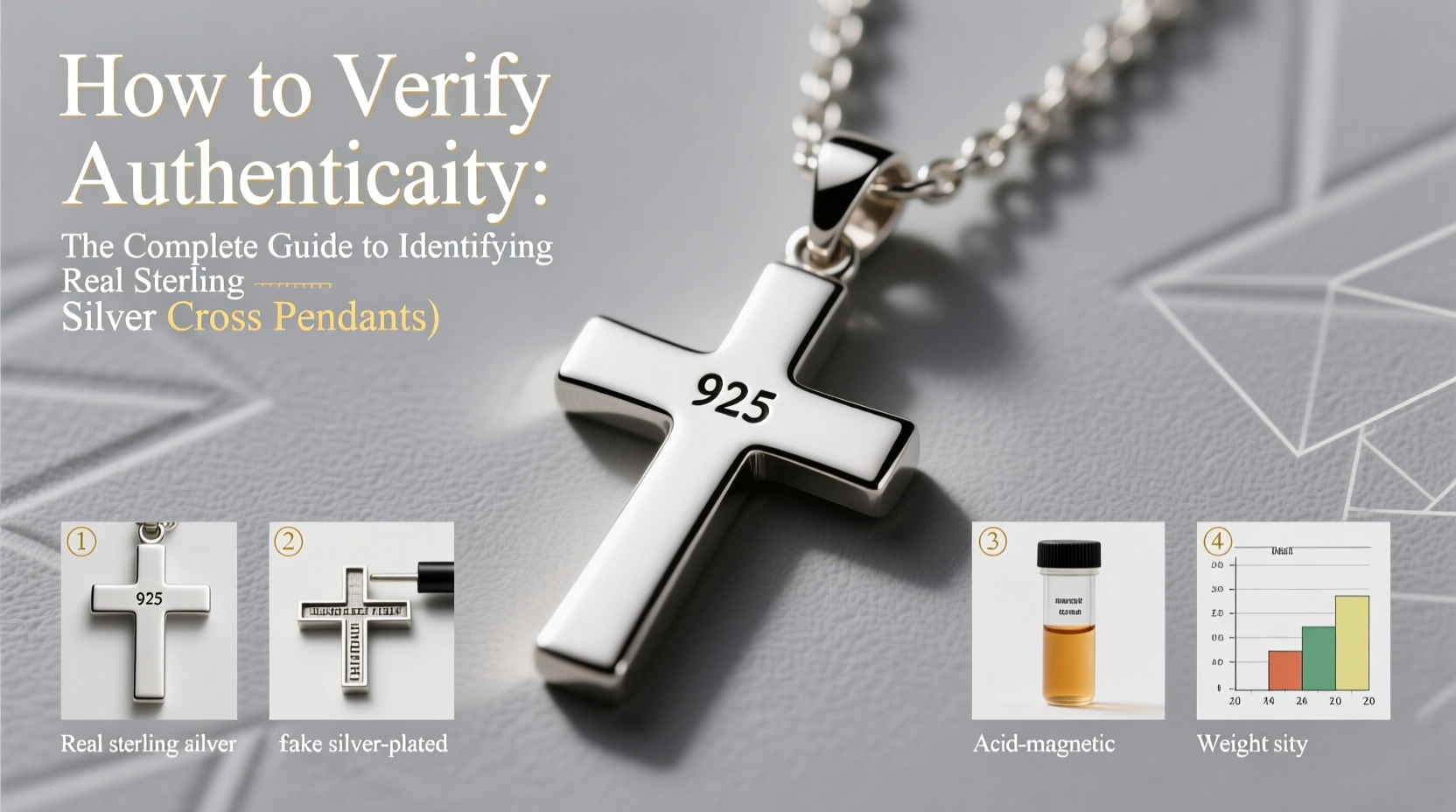
Sterling silver is an alloy composed of 92.5% pure silver and 7.5% other metals, typically copper. This blend enhances durability while maintaining the luster and value associated with fine silver. The term “sterling” isn’t just a marketing label—it’s a regulated standard recognized internationally. In the U.S., jewelry labeled as sterling silver must meet this 92.5% threshold. Anything below is not legally considered sterling.
The most reliable indicator of authenticity is the presence of a hallmark. Common stamps include “925,” “STER,” “STERLING,” or “.925.” These should be clearly visible on the pendant’s bail (the loop that attaches to a chain) or back surface. Absence of such markings is a red flag, though some vintage or handmade pieces may lack them due to age or artisanal practices.
Step-by-Step Guide to Authenticating Your Pendant
Verifying authenticity requires a combination of visual inspection, physical testing, and contextual awareness. Follow these steps methodically for the best results:
- Examine the Hallmark: Look for a clear “925” or “Sterling” stamp using a magnifier. Be wary of faint, uneven, or misspelled engravings.
- Conduct the Magnet Test: Genuine silver is non-magnetic. If your pendant is attracted to a strong neodymium magnet, it likely contains ferrous metals and is not real sterling.
- Check for Tarnish Patterns: Real silver tarnishes over time, developing a yellowish, then brownish, and eventually black patina. Fake silver may corrode green or flake off, revealing base metal underneath.
- Perform the Ice Test: Silver has the highest thermal conductivity of any common metal. Place an ice cube on the pendant—if it melts significantly faster than on a non-silver surface, it’s a good sign.
- Smell the Metal: Real silver is odorless. If your pendant emits a metallic or sulfur-like smell, especially after handling, it may be plated copper or brass.
- Assess Weight and Density: Sterling silver feels substantial. Compare it to a known silver piece of similar size; if it feels unusually light, it might be hollow or made from a cheaper alloy.
“Authenticity isn’t just about a stamp—it’s about consistency across multiple indicators. One failed test doesn’t always mean fraud, but three do.” — Daniel Reyes, Certified Gemologist and Jewelry Appraiser
Common Red Flags and Counterfeit Tactics
Fake sterling silver jewelry often mimics appearance but fails under scrutiny. Here are the most frequent deception strategies used by unscrupulous sellers:
- Fake Hallmarks: Stamps like “SS,” “925PLT,” or “Sterling USA” with inconsistent fonts or placement.
- Plating Over Base Metals: A thin layer of silver over copper, nickel, or zinc that wears off quickly, especially around edges and high-contact areas.
- Misleading Descriptions: Terms like “silver tone,” “silver finished,” or “rhodium plated” suggest appearance only—not material composition.
- Unrealistic Pricing: Genuine sterling silver has intrinsic material value. A $10 “solid sterling” cross pendant from an unknown seller is highly suspect.
| Test Method | Real Sterling Silver Result | Fake Silver Result |
|---|---|---|
| Magnet Test | No attraction | Attracts to magnet |
| Tarnish Appearance | Even darkening, removable with polish | Green corrosion, flaking, or pitting |
| Weight Comparison | Feels dense and heavy | Lightweight or hollow |
| Scratch Test (on ceramic) | Leaves black or gray mark | Leaves no mark or red streak |
Real Example: How Sarah Avoided a Costly Mistake
Sarah was shopping online for a meaningful gift—a sterling silver cross for her daughter’s confirmation. She found a beautifully detailed pendant listed as “solid 925 sterling” for $18. Excited by the deal, she nearly purchased it until she remembered reading about hallmark verification. Upon zooming in on the product image, she noticed the engraving looked blurry and the “925” appeared stamped too deeply, distorting the surrounding metal. She messaged the seller asking for a close-up video of the hallmark. They never responded. Sarah reported the listing and later found a certified piece from a reputable jeweler. Though it cost $85, she knew it was authentic—and heirloom quality.
Expert Tips for Buying with Confidence
Whether shopping online or in-store, due diligence protects your investment. Consider these professional recommendations:
- Purchase from jewelers who provide third-party certifications or authenticity guarantees.
- Avoid marketplaces with poor seller ratings or limited return policies.
- Ask for a receipt that specifies “.925 sterling silver” as the material.
- If possible, take new purchases to a local jeweler for independent verification.
- For vintage pieces, research manufacturer marks and era-specific design traits.
“The emotional value of a cross pendant often exceeds its monetary worth. Ensuring its authenticity preserves both.” — Dr. Lena Peterson, Cultural Heritage Jewelry Historian
FAQ: Common Questions About Sterling Silver Verification
Can a silver pendant be real if it doesn’t have a stamp?
Yes, but cautiously. Some antique or handcrafted pieces lack hallmarks due to historical standards or artisan preference. In such cases, rely on professional testing like acid kits or XRF analysis.
Does real silver turn my skin green?
Rarely. Pure sterling silver does not cause discoloration. Green marks usually result from reactions with copper in lower-quality alloys or from sweat and lotions interacting with plated finishes.
Is there a home test kit for silver authenticity?
Yes. Nitric acid test kits are widely available and effective. When applied to a discreet scratch, genuine silver produces a creamy white reaction. Avoid using acid on finished surfaces to prevent damage.
Final Checklist Before You Buy
Use this checklist to ensure every sterling silver cross pendant you consider passes essential authenticity checks:
- ✅ Clear “925” or “Sterling” hallmark visible under magnification
- ✅ No magnetic attraction when tested with a strong magnet
- ✅ Substantial weight consistent with silver density
- ✅ Seller provides return policy and material guarantee
- ✅ No suspiciously low price compared to market average
- ✅ Tarnish (if present) is even and polishable, not flaking or green
- ✅ Purchase includes receipt specifying “.925 sterling silver”
Conclusion: Wear with Confidence, Not Doubt
A sterling silver cross pendant deserves more than aesthetic appreciation—it merits authenticity. By learning to identify genuine .925 silver through hallmarks, physical tests, and informed purchasing habits, you protect not only your wallet but also the sentimental value attached to the piece. Whether it’s a gift, a personal keepsake, or a symbol of faith, knowing your pendant is real allows you to wear it with integrity. Stay vigilant, trust verified sources, and let knowledge be your guide in every jewelry decision.




 浙公网安备
33010002000092号
浙公网安备
33010002000092号 浙B2-20120091-4
Comments
No comments yet. Why don't you start the discussion?