
Sanrio characters like Hello Kitty, My Melody, and Cinnamoroll have transcended children's merchandise to become global fashion icons. In recent years, officially licensed Sanrio apparel—especially jerseys—has surged in popularity among collectors, fans, and streetwear enthusiasts. However, with rising demand comes an influx of counterfeit products. These imitations often mimic the look of authentic items but fall short in quality, legality, and value. Knowing how to distinguish genuine Sanrio jerseys from fakes is essential for making informed purchases and protecting your investment.
Why Authenticity Matters
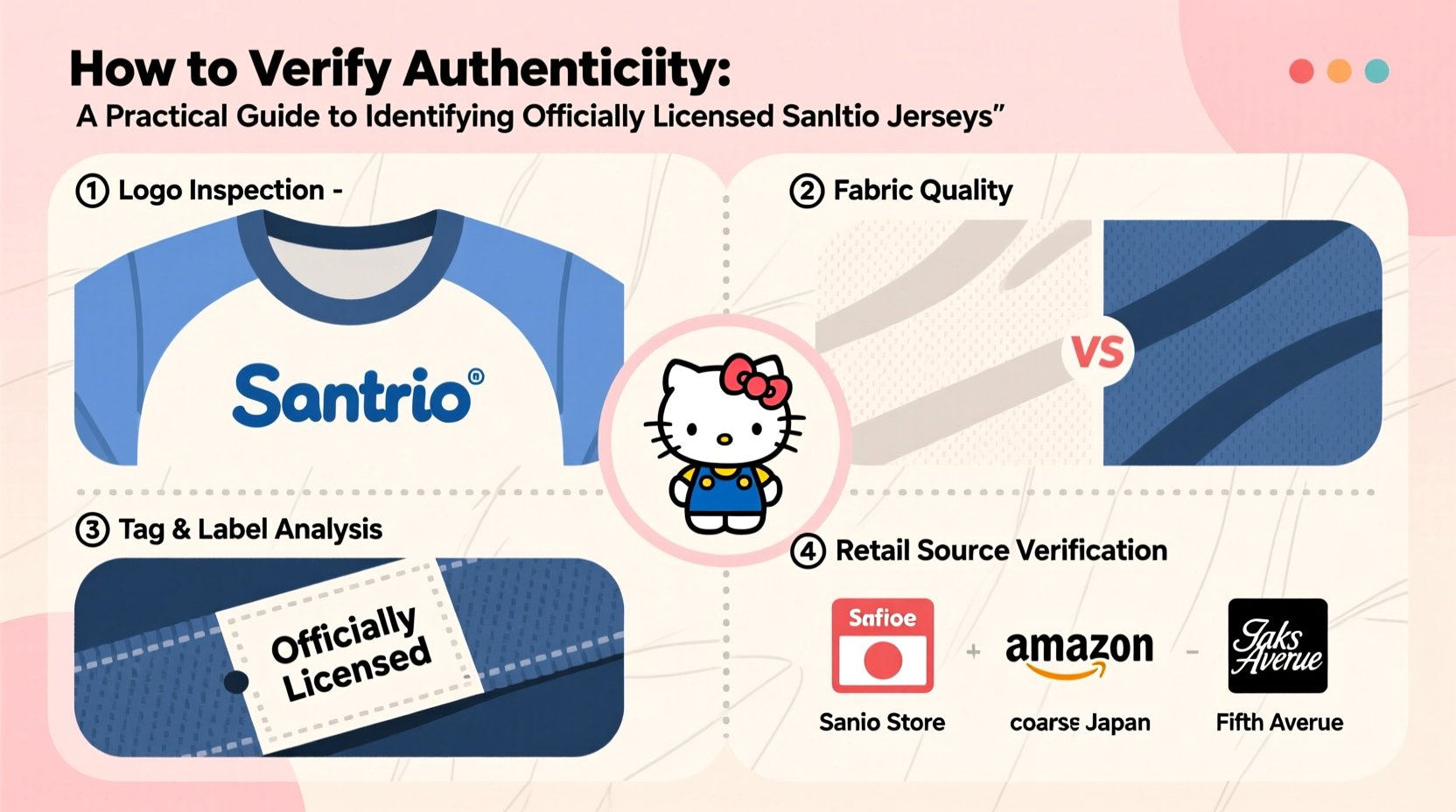
Purchasing an officially licensed Sanrio jersey isn’t just about owning a piece of branded apparel—it’s about supporting ethical production, receiving durable craftsmanship, and ensuring you’re getting what you pay for. Counterfeit jerseys may appear identical at first glance, but they often use inferior materials, incorrect stitching techniques, and unauthorized logos that violate intellectual property rights.
Authentic Sanrio products are produced under strict licensing agreements with authorized manufacturers. These partnerships ensure consistent quality control, accurate branding, and compliance with international safety and labor standards. When you buy a fake, you not only risk disappointment but also inadvertently support illegal manufacturing practices.
“Licensed merchandise undergoes rigorous approval processes. If it skips that chain, it’s not just a knockoff—it’s a legal and ethical concern.” — Daniel Park, Brand Licensing Consultant
Step-by-Step Guide to Verifying a Sanrio Jersey
Verifying authenticity requires attention to detail and a methodical approach. Follow this timeline-based process before purchasing or after receiving a Sanrio jersey.
- Check the Seller’s Credentials: Research whether the retailer is an authorized Sanrio licensee. Official partners include retailers like BoxLunch, Hot Topic, and select department stores.
- Inspect the Hangtag and Labels: Authentic jerseys feature a sewn-in label listing the manufacturer, country of origin, care instructions, and a license code (e.g., “© SANRIO CO., LTD.”).
- Examine the Logo Quality: Look closely at the Sanrio character embroidery or print. Genuine versions have clean lines, consistent colors, and no pixelation or misalignment.
- Feel the Fabric: Licensed jerseys use high-grade polyester blends with moisture-wicking properties. Counterfeits often feel stiff, overly thin, or plasticky.
- Review Stitching Precision: Authentic garments have even, tight stitching with no loose threads. Pay special attention to seams, collar hems, and sleeve cuffs.
- Cross-Reference Product Details: Compare the item’s design, font style, and color scheme with official releases on Sanrio’s website or social media channels.
- Verify the Price Point: If the price seems too good to be true—especially below $45 for a full jersey—it likely is.
Key Differences: Authentic vs. Counterfeit Jerseys
| Feature | Authentic Jersey | Counterfeit Jersey |
|---|---|---|
| Logo Embroidery | Sharp, raised stitching; precise outlines | Flat, printed look; blurred edges |
| Fabric Weight | Medium-heavy (approx. 180–220 gsm) | Lightweight, flimsy material |
| Label Text | Includes © SANRIO CO., LTD. and licensee info | Mentions only “Hello Kitty” or omits copyright |
| Stitching Density | 8–10 stitches per inch | 5–6 stitches per inch; uneven spacing |
| Tag Hang Type | Sewn fabric tag with QR code or batch number | Paper tag or no tag at all |
Real Example: A Collector’s Close Call
Jessica, a Sanrio enthusiast from Portland, purchased what she believed was an official Kuromi-themed basketball jersey from an online marketplace. The seller listed it as “brand new with tags” and offered a 30% discount. Upon delivery, she noticed the fabric lacked the soft sheen typical of licensed sportswear. Closer inspection revealed a paper hangtag without any licensing information and a printed logo instead of embroidered thread. She contacted Sanrio’s customer service with photos and received confirmation: the jersey was counterfeit. Jessica filed a dispute with the platform and recovered her funds—but the experience taught her to always verify documentation before buying.
Essential Verification Checklist
Use this concise checklist before finalizing any purchase:
- ✅ Seller is a known Sanrio partner or reputable reseller
- ✅ Item includes a sewn-in fabric label with Sanrio copyright notice
- ✅ Character artwork matches official Sanrio style guides (e.g., correct eye placement, bow size)
- ✅ Fabric feels substantial and breathable, not synthetic or papery
- ✅ Stitches are uniform and reinforced at stress points
- ✅ No spelling errors on tags, patches, or packaging
- ✅ Price aligns with market average ($45–$80 USD for standard designs)
Frequently Asked Questions
How can I confirm if a retailer is authorized to sell Sanrio merchandise?
Visit Sanrio.com and navigate to the “Where to Buy” section. This page lists official U.S. and international partners. You can also contact Sanrio customer support directly with the retailer’s name for verification.
Do all authentic Sanrio jerseys have QR codes?
Not all, but many newer releases—especially limited editions—include QR codes on hangtags that link to authentication portals. Absence of a QR code doesn’t automatically mean a jersey is fake, but its presence adds confidence.
Can I return a counterfeit jersey if I’ve already bought it?
Yes, most major e-commerce platforms (eBay, Amazon, Etsy) offer buyer protection for misrepresented items. Report the listing with photo evidence of the discrepancies and file a claim within the return window.
Protecting Your Purchase Long-Term
Once you’ve verified authenticity, proper care ensures your jersey remains in collectible condition. Store it flat or on a padded hanger away from direct sunlight to prevent fading. Wash inside out in cold water using mild detergent, and air dry to preserve embroidery integrity. Avoid ironing directly on printed or stitched areas.
For serious collectors, consider documenting ownership with dated photos and saving original packaging. Some rare Sanrio jerseys appreciate in value, especially those tied to collaborations or seasonal events like Sanrio Puroland exclusives.
“The emotional value of a genuine Sanrio piece is matched by its tangible worth. Fakes might fool the eye, but never the heart of a true fan.” — Lila Nakamura, Pop Culture Archivist
Final Thoughts
Identifying officially licensed Sanrio jerseys goes beyond aesthetics—it’s about respect for the brand, the artistry, and the community of fans who cherish these characters. With counterfeiters becoming increasingly sophisticated, relying solely on price or appearance is no longer enough. By applying systematic checks, consulting official sources, and trusting your instincts when something feels off, you empower yourself as a conscious consumer.




 浙公网安备
33010002000092号
浙公网安备
33010002000092号 浙B2-20120091-4
Comments
No comments yet. Why don't you start the discussion?