
Purchasing a pendant—especially one made from precious metals or gemstones—is more than a fashion decision; it's often an emotional investment, a symbol of love, or even a long-term asset. With counterfeit jewelry flooding both online and physical markets, verifying authenticity is essential. Many buyers, even experienced ones, have unknowingly acquired fakes due to subtle deceptions in craftsmanship, materials, or documentation. This guide equips you with actionable knowledge to confidently assess whether a pendant is genuine before making a purchase.
Understanding Common Materials in Authentic Pendants
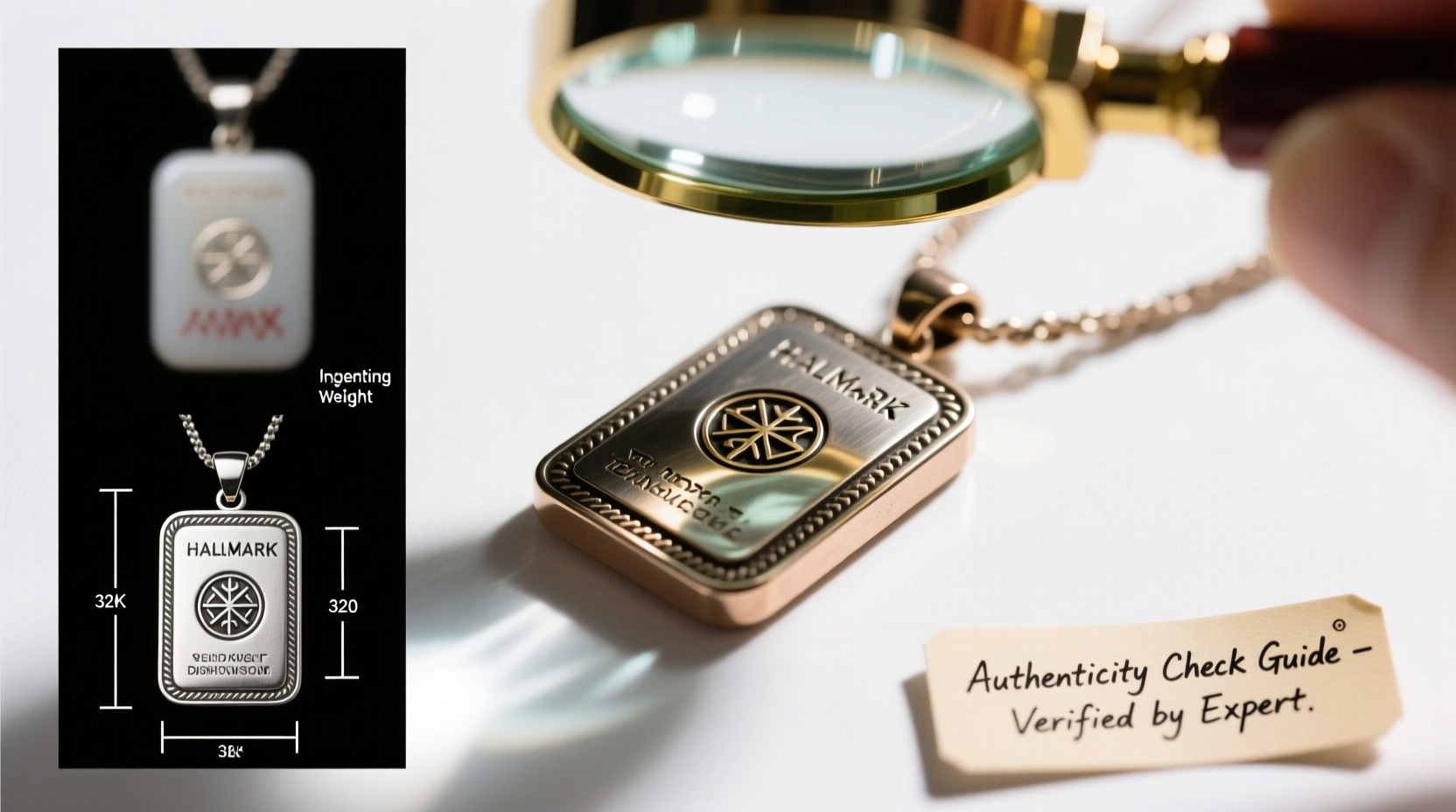
The first step in verification is knowing what to look for. Real pendants are typically crafted from gold, silver, platinum, or palladium, often set with natural diamonds, sapphires, emeralds, or other precious stones. Each material has distinct properties that can be tested or observed.
For example, solid gold will not tarnish and maintains consistent color throughout, while gold-plated items may show base metal underneath scratches. Sterling silver carries a bright luster but develops a slight patina over time—unlike cheap alloys that corrode rapidly. Platinum is dense, heavy, and hypoallergenic, making it easily distinguishable by weight alone when compared to similar-sized imitations.
Step-by-Step Guide to Verifying Pendant Authenticity
Authenticating a pendant doesn’t require a lab in most cases—but it does require attention to detail. Follow these steps systematically to reduce the risk of being misled.
- Inspect Hallmarks and Stamps: Look for tiny engravings on the bail, clasp, or back of the pendant. These usually indicate metal type and purity (e.g., “14K,” “925,” “PT” for platinum). Absence of stamps is a red flag, though some vintage or handmade pieces may lack them.
- Conduct a Magnet Test: Precious metals are non-magnetic. If the pendant is attracted to a strong magnet, it likely contains iron or steel—a clear sign of falsification.
- Check Weight and Density: Real gold and platinum are significantly heavier than their fake counterparts. Compare the pendant’s weight to known standards using a precision scale (measured in grams).
- Examine Stone Settings and Craftsmanship: Genuine gemstones are set securely with clean prongs or bezels. Look for misaligned stones, glue residue, or rough edges—common in mass-produced fakes.
- Use a Loupe or Magnifier: Inspect under 10x magnification. Natural stones have inclusions; flawless stones may be synthetic. Also check for laser inscriptions on diamonds (often microscopic serial numbers).
- Request a Certificate of Authenticity: For high-value pendants, insist on certification from recognized labs like GIA, AGS, or IGI. These reports verify metal composition and stone quality.
Do’s and Don’ts When Buying a Pendant
| Do’s | Don’ts |
|---|---|
| Buy from reputable jewelers with verifiable credentials | Assume a shiny appearance means quality |
| Ask for third-party appraisal or grading reports | Ignore missing hallmarks without explanation |
| Test the piece yourself using basic methods | Rely solely on seller descriptions, especially online |
| Compare prices across trusted retailers | Be swayed by “too good to be true” discounts |
| Keep receipts and certifications for future resale | Dispose of packaging that may contain proof of origin |
Real Example: How One Buyer Avoided a $2,000 Scam
Sophia, a first-time buyer, found a beautiful diamond solitaire pendant online for $1,800—nearly 40% below market value. The photos looked professional, and the seller claimed it came with a GIA certificate. Skeptical, she asked for the certificate number and verified it directly on GIA’s website. No record existed. She then requested a video call with the seller to inspect the pendant under light. Using her phone’s zoom, she noticed the stone had no fire or scintillation typical of real diamonds and spotted air bubbles inside—indicative of glass. She declined the purchase. Later, a local jeweler confirmed her suspicion: the pendant was a convincing replica made with cubic zirconia and white brass plating.
This case underscores the importance of independent verification—even when presented with seemingly legitimate documentation.
Expert Insight: What Professionals Look For
“Amateurs focus on sparkle. Professionals look for consistency—consistent weight, consistent color, consistent markings. A single mismatch should raise questions.” — Daniel Reyes, Certified Gemologist and Jewelry Appraiser with over 25 years of experience
Reyes emphasizes that authenticity isn’t proven by one test but by a convergence of evidence. “If the hallmark says 18K but the acid test shows 10K, or if the diamond report doesn’t match the stone’s measurements, trust the data—not the story.”
Essential Checklist Before Finalizing Your Purchase
- ✅ Verify metal stamp (e.g., 14K, 925, PT950)
- ✅ Perform a magnet test
- ✅ Confirm weight matches expected density
- ✅ Inspect gemstone clarity and setting under magnification
- ✅ Request and validate a lab certificate (GIA, IGI, etc.)
- ✅ Obtain a detailed receipt including description and price
- ✅ Buy from a seller with return policy and reputation
- ✅ Cross-check price against market averages
Frequently Asked Questions
Can a real gold pendant be magnetic?
No, pure gold is not magnetic. However, some gold alloys with trace magnetic metals might show slight attraction, but strong pull indicates a base metal core. When in doubt, consult a professional.
Is a hallmark enough to prove authenticity?
Not always. While hallmarks are important, they can be forged. Always combine hallmark checks with physical tests and documentation review for full confidence.
What should I do if I suspect my pendant is fake?
Take it to a certified jeweler or gemological lab for evaluation. If purchased recently, contact the seller and consider reporting to consumer protection agencies if fraud is confirmed.
Final Thoughts: Confidence Comes From Knowledge
Verifying the authenticity of a pendant is not about distrust—it’s about respect for your investment and peace of mind. Whether you're buying a gift, an heirloom, or a personal keepsake, taking the time to inspect, question, and validate ensures you’re getting what you pay for. The tools and knowledge exist to make informed decisions; use them wisely.




 浙公网安备
33010002000092号
浙公网安备
33010002000092号 浙B2-20120091-4
Comments
No comments yet. Why don't you start the discussion?