
Weighted blankets have become a staple in modern sleep wellness routines, prized for their ability to reduce anxiety, improve sleep quality, and provide deep pressure stimulation. But as with any high-use bedding item, regular cleaning is essential. The challenge? These blankets are filled with tiny glass or plastic beads that can shift, clump, or even break if washed improperly. Unlike standard comforters, a misstep in the laundry process can ruin both the function and feel of your blanket. Understanding how to clean it safely ensures longevity, consistent weight distribution, and hygiene—without compromising the integrity of the internal filling.
Why Proper Washing Matters
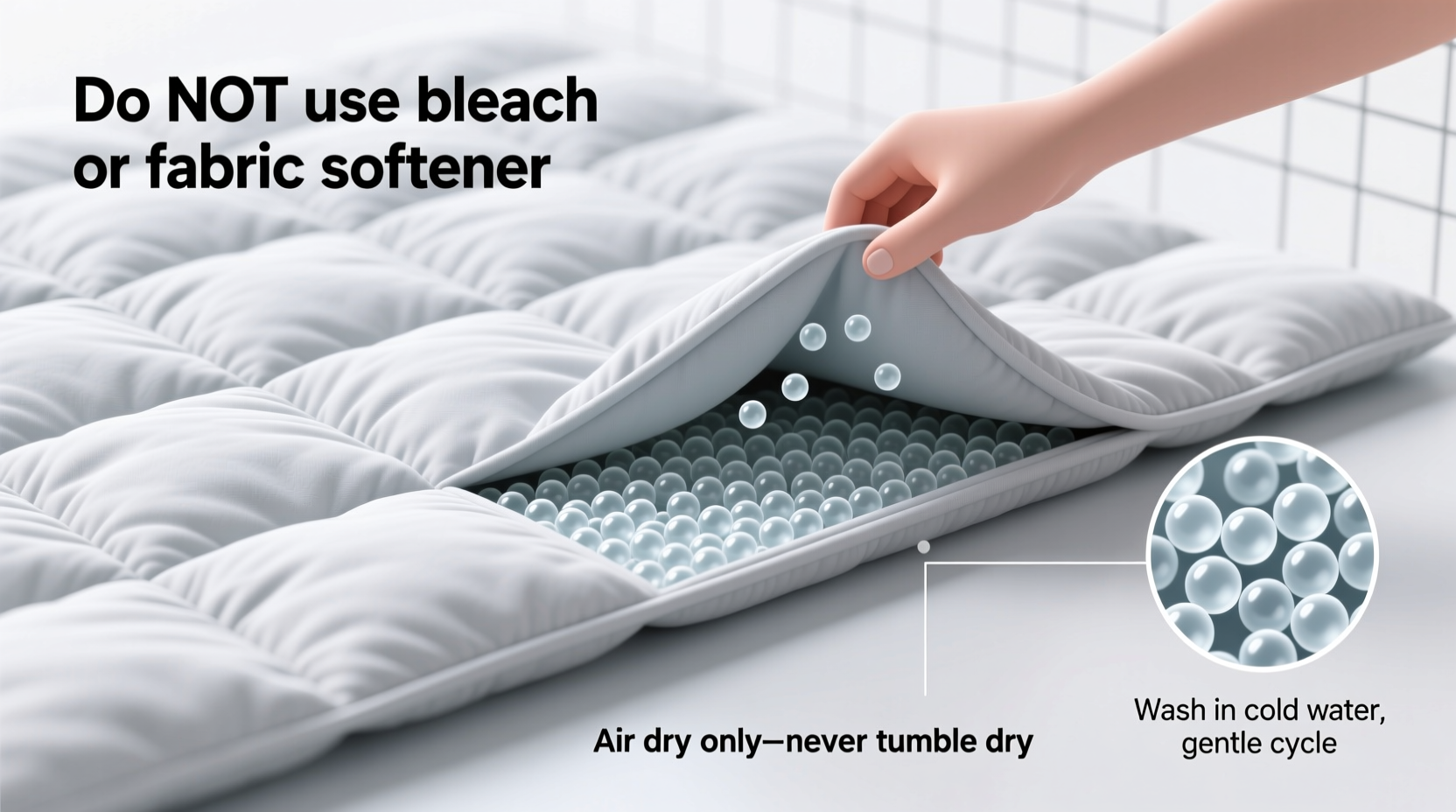
The core benefit of a weighted blanket lies in its evenly distributed weight, which comes from thousands of small beads sewn into individual fabric pockets. When exposed to aggressive washing methods—like high spin cycles, hot water, or improper drying—the seams can weaken, beads can migrate or rupture, and the outer fabric may pill or tear. Over time, this leads to lumps, cold spots, and reduced therapeutic effect.
Additionally, many weighted blankets combine two layers: an inner weighted core and a removable outer cover. Not all models are designed to be fully machine-washed, and manufacturers often specify care instructions based on materials like cotton, bamboo, polyester, or microfiber. Ignoring these guidelines risks voiding warranties and shortening the product’s lifespan.
“Improper laundering is the leading cause of premature failure in weighted blankets. Gentle cycles, low heat, and attention to detail make all the difference.” — Dr. Lena Peterson, Textile Durability Researcher at the Home Fabric Institute
Step-by-Step Guide to Washing Your Weighted Blanket Safely
Cleaning your weighted blanket doesn’t need to be complicated—if you follow a careful, methodical approach. Below is a proven 7-step process used by home care experts and recommended by most manufacturers.
- Check the Care Label First
Locate the manufacturer’s tag and read all instructions. Some blankets are fully machine-washable; others require spot cleaning or professional service only. - Determine If It’s Washable
Most modern weighted blankets are machine-washable if under 15 pounds. Heavier models (20+ lbs) may exceed standard washer capacity and should be cleaned at a commercial laundromat with large-capacity machines. - Pre-Treat Stains Gently
Use a soft cloth and mild detergent mixed with cool water to dab stains. Avoid scrubbing, which can damage stitching. Let sit for 10–15 minutes before washing. - Use a Front-Loading Washer (Preferred)
Top-loading machines with agitators create excessive friction. A front-loader provides a gentler cycle, reducing stress on seams and beads. - Select Cold Water and Delicate Cycle
Set your washer to cold water (never hot) and choose the “delicate” or “hand-wash” setting. Use half the normal amount of mild, bleach-free detergent. - Avoid Overloading the Machine
Ensure the blanket has room to move freely. Overcrowding increases strain and prevents even cleaning. If necessary, wash alone—no other items. - Remove Promptly After Washing
Leaving the wet blanket inside the drum can lead to mildew and bead clumping. Transfer immediately to the dryer or hang-dry setup.
Drying Without Damage: What You Need to Know
Drying is where most damage occurs. High heat can melt plastic beads, warp stitching, and shrink natural fibers. Air drying is ideal, but not always practical. Here’s how to dry your blanket safely depending on your situation.
Air Drying (Safest Method)
Lay the blanket flat on a clean, dry surface—preferably outdoors in indirect sunlight or in a well-ventilated room. Flip every few hours to ensure even drying. This method takes 24–48 hours but preserves fabric and bead integrity.
Tumble Drying (If Necessary)
If air drying isn’t possible, use a tumble dryer on the lowest heat or “air fluff” setting. Add 2–3 clean tennis balls or wool dryer balls to help separate clumped beads and maintain loft. Never use dryer sheets—they leave residue that attracts dirt.
“Even if the label says ‘tumble dry low,’ monitor the blanket closely. Stop the cycle frequently to check for overheating or shifting weights.” — Carlos Mendez, Appliance Technician and Home Care Consultant
Do’s and Don’ts: Quick Reference Table
| Do’s | Don’ts |
|---|---|
| ✔ Use cold water and gentle cycle | ✘ Use hot water or heavy-duty cycle |
| ✔ Wash every 1–2 months or when soiled | ✘ Wash weekly—it wears out seams |
| ✔ Air dry whenever possible | ✘ Use high heat in the dryer |
| ✔ Spot clean between full washes | ✘ Soak for extended periods |
| ✔ Use mild, fragrance-free detergent | ✘ Use bleach or fabric softener |
Mini Case Study: Sarah’s Recovery After a Washing Disaster
Sarah, a 34-year-old teacher from Portland, Oregon, loved her 15-pound glass-bead weighted blanket for managing insomnia. After six months of nightly use, she decided to wash it—without checking the label. She used a top-loading washer on a regular cycle with warm water and threw it in the dryer on medium heat.
The result? Beads clustered in one corner, several internal seams split, and the blanket developed a permanent lump near the foot edge. “It felt like half the weight was gone,” she said. “I couldn’t relax under it anymore.”
She contacted the manufacturer, who confirmed the damage was due to improper care and denied warranty replacement. Determined to fix it, Sarah took the blanket to a local seamstress, who reinforced the stitching and redistributed the beads manually—a $75 repair.
Now, she hand-washes her replacement blanket every eight weeks using cold water and line-dries it over two chairs. “I treat it like a fine piece of clothing now,” she says. “It’s worth the extra effort.”
Checklist: Safe Weighted Blanket Washing Routine
- ☐ Read the care label before starting
- ☐ Confirm your washer can handle the blanket’s weight
- ☐ Pre-treat stains with a damp cloth and mild soap
- ☐ Use cold water and delicate cycle
- ☐ Choose a front-loading washer if available
- ☐ Use a mesh laundry bag for added protection
- ☐ Avoid bleach, fabric softeners, and harsh detergents
- ☐ Remove promptly after washing
- ☐ Air dry flat or use no-heat tumble drying
- ☐ Inspect after drying for bead distribution and seam integrity
When to Skip Home Washing Altogether
Not all weighted blankets are meant for home laundering. Consider these scenarios where professional cleaning or spot treatment is the better choice:
- Blankets over 20 pounds: May exceed residential washer capacity (typically 12–15 lbs max).
- Non-removable inserts: If the weighted layer isn’t detachable, full immersion increases risk.
- Delicate fabrics: Silk, rayon, or blends labeled “dry clean only.”
- Older or heavily used blankets: Weakened seams may not survive agitation.
In such cases, use a handheld steamer for odor removal, or take it to a specialty textile cleaner experienced with therapeutic bedding. Some companies offer mail-in cleaning services specifically for weighted blankets.
Frequently Asked Questions
Can I wash a weighted blanket in a top-loading washer?
You can, but it’s not recommended. Traditional top-loaders with central agitators create intense twisting motion that stresses seams and causes bead displacement. If you must use one, select a model without an agitator (high-efficiency type), use the gentle cycle, and balance the load carefully.
How often should I wash my weighted blanket?
Every 1 to 2 months under normal use. If you sweat heavily at night or eat in bed, consider monthly cleaning. Between washes, use a removable duvet cover (machine-washable) to reduce direct soiling and extend time between full washes.
What happens if the beads break during washing?
Broken beads can create lumps, reduce overall weight, and potentially puncture the fabric from the inside. While glass beads are generally durable, repeated exposure to heat, friction, or impact can degrade them. If you notice thinning areas or hear crackling sounds, stop using the blanket and inspect for internal damage.
Protecting Your Investment for Years to Come
A high-quality weighted blanket can cost $100 or more. Treating it with care extends its functional life to five years or longer. Beyond proper washing, consider these long-term preservation strategies:
- Use a protective cover: Invest in a zip-on cotton or bamboo duvet cover to shield the blanket from oils, spills, and pet hair.
- Rotate regularly: Turn the blanket head-to-foot weekly to promote even wear and bead distribution.
- Store properly: When not in use, fold loosely and store in a breathable cotton bag—never compress in vacuum-sealed containers.
- Avoid eating or drinking in bed: Minimize the risk of stains and the need for frequent washing.
“The best care routine starts with prevention. A cover and spot cleaning eliminate 80% of washing risks.” — Naomi Reed, Sleep Wellness Coordinator at RestWell Clinic
Final Thoughts
Washing a weighted blanket doesn’t have to be daunting. With the right knowledge, tools, and caution, you can keep it fresh, hygienic, and fully functional for years. The key is respecting its unique construction—those tiny beads are powerful allies in your sleep journey, but they demand gentle handling. Whether you air dry on a rack or use a low-heat cycle, every decision impacts performance and durability.




 浙公网安备
33010002000092号
浙公网安备
33010002000092号 浙B2-20120091-4
Comments
No comments yet. Why don't you start the discussion?