
Dark clothing is a staple in most wardrobes—versatile, stylish, and timeless. Yet one of the biggest frustrations wearers face is the gradual dulling of rich blacks, deep blues, and bold navies after just a few washes. Fading isn’t inevitable. With the right techniques, detergents, and habits, you can significantly slow down color loss and maintain the depth and luster of your favorite garments for years. The key lies not in avoiding laundry altogether, but in rethinking how you approach it—from sorting and washing to drying and storage.
Understanding Why Dark Clothes Fade
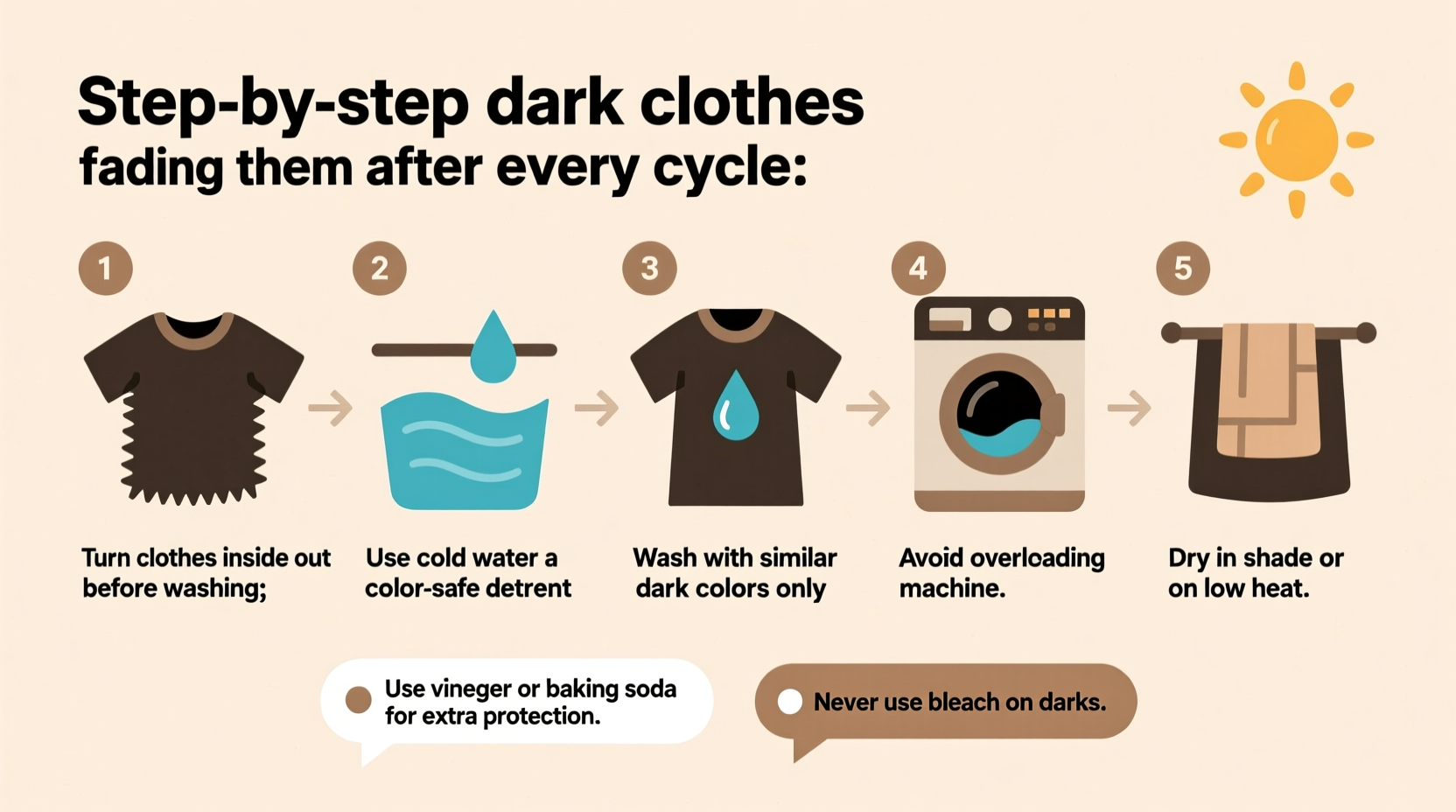
Fading occurs when dye molecules break down or leach out of fabric fibers due to exposure to water, heat, friction, and chemicals. While all fabrics are susceptible, cotton, denim, and synthetic blends used in dark apparel are particularly vulnerable because they often rely on surface-level dyes that aren't deeply bonded to the fiber structure.
Several factors accelerate this process:
- Hot water opens up fabric fibers, allowing dye to escape more easily.
- Aggressive agitation in the washing machine causes physical stress, rubbing fibers together and wearing down color.
- Harsh detergents with bleach or brightening agents strip natural and synthetic dyes.
- Sunlight exposure during drying breaks down dye through UV radiation.
- Overwashing increases cumulative damage over time, even with gentle settings.
The good news? Most of these triggers are controllable. By adjusting your laundry routine, you can preserve your darks far longer than the average consumer expects.
Step-by-Step Guide to Washing Dark Clothes Without Fading
Preserving color starts long before you press “start” on the washing machine. A deliberate, multi-step process ensures maximum protection at every stage.
- Sort by Color and Fabric Type
Always separate darks from lights and whites. But go further: group dark items by fabric—denim with denim, cotton tees with cotton pants, synthetics separately. This prevents lint transfer and allows tailored washing conditions. - Turn Clothes Inside Out
This simple step shields the outer surface of garments from abrasion and direct exposure to detergent. It’s especially effective for printed shirts, hoodies, and jeans. - Use Cold Water Only
Set your machine to cold (ideally below 30°C / 85°F). Cold water minimizes dye release and reduces energy consumption. Modern detergents are formulated to work efficiently in cold cycles, so cleaning power isn’t sacrificed. - Select the Gentle Cycle
Reduce spin speed and agitation intensity. The gentler the movement, the less mechanical stress on fibers. For delicate dark silks or wool-blends, use the “hand wash” setting if available. - Choose the Right Detergent
Opt for a detergent specifically labeled for dark or colored clothing. These formulas avoid optical brighteners and chlorine bleach, which degrade dye. Look for ingredients like color protect polymers or antioxidants. - Avoid Overloading the Machine
Crowding forces clothes to rub against each other, increasing friction and fading. Leave enough space so garments can move freely—about ¾ full is ideal. - Limit Spin Time
Excessive spinning can strain seams and stretch fabrics, contributing to premature wear. If your machine allows, reduce spin speed to 600–800 RPM for dark loads. - Remove Promptly After Washing
Leaving wet clothes in the drum promotes mildew and sets wrinkles, which may lead to additional ironing or steaming—both potential risks for color degradation.
Best Detergents and Additives for Dark Fabrics
Not all detergents are created equal when it comes to color preservation. Some actively harm darks, while others enhance longevity. Below is a comparison of common types:
| Detergent Type | Safe for Dark Clothes? | Why or Why Not |
|---|---|---|
| Bleach-Based Detergents | No | Chlorine and peroxide break down dyes rapidly—even in small amounts. |
| Optical Brightener-Enhanced | No | Adds blue-white glow that makes colors appear duller over time. |
| Detergents for Colors/Darks | Yes | Formulated with dye-binding agents and pH-balanced surfactants. |
| Vinegar (as additive) | Yes (in moderation) | Helps set dye and removes detergent residue; use ½ cup in rinse cycle. |
| Baking Soda | Yes | Boosts cleaning power naturally without harming dyes. |
Some recommended brands include Woolite Darks, Tide Studio, Persil Black, and The Laundress Delicate Wash. For DIY enthusiasts, a mixture of castile soap, distilled white vinegar, and a few drops of glycerin can serve as an effective homemade alternative.
“Using the wrong detergent is the number one reason people see rapid fading. Switching to a color-safe formula alone can extend the life of dark garments by 50% or more.” — Dr. Lena Pruitt, Textile Chemist, University of Georgia
Proper Drying Techniques to Prevent Color Loss
How you dry dark clothes matters as much as how you wash them. Heat and sunlight are two of the most damaging elements to fabric dyes.
Follow these guidelines:
- Air-dry whenever possible. Hang clothes indoors on a drying rack, away from direct sunlight. UV rays cause photochemical degradation of dyes, especially in black and navy fabrics.
- If using a dryer, choose low heat. High heat damages fibers and accelerates color bleed. Use dryer balls instead of sheets—they reduce static without chemical coatings.
- Avoid plastic hangers for heavy items. They can stretch shoulders and distort shape, leading to micro-tears that expose inner fibers to fading.
- Lay flat for knits and sweaters. Hanging can cause stretching, altering the weave and making color appear uneven.
Denim deserves special attention. Jeans should be air-dried and turned inside out both during washing and drying. Frequent machine drying leads to stiffness, shrinkage, and noticeable fading at stress points like knees and pockets.
Real Example: Reviving a Faded Wardrobe
Jamal, a graphic designer in Portland, noticed his favorite black chinos were turning gray after six months. He wore them weekly and washed them every two weeks—standard practice, he thought. After researching fading causes, he changed his routine:
- Switched to cold water and a gentle cycle
- Began turning all darks inside out
- Started using Tide Studio Darks detergent
- Replaced machine drying with indoor air-drying
- Extended wash intervals to once every three weeks unless visibly soiled
Within two months, not only did the fading stop—but the chinos appeared richer in color. Jamal credits the change to consistency. “I didn’t realize how much damage hot water and the dryer were doing. Now my darks look new even after a year.”
Checklist: How to Wash Dark Clothes Without Fading
Keep this checklist handy near your laundry area for quick reference:
- ✅ Sort darks by fabric type
- ✅ Turn all garments inside out
- ✅ Use cold water setting (≤30°C)
- ✅ Select gentle or delicate cycle
- ✅ Use a dye-safe, color-protect detergent
- ✅ Avoid overloading the washer
- ✅ Add ½ cup white vinegar to rinse cycle (optional)
- ✅ Air-dry indoors, away from sunlight
- ✅ If using dryer, select low heat and remove promptly
- ✅ Store clean, dry clothes in a cool, dark closet
Frequently Asked Questions
Can I wash dark clothes with similar colors if they’re not black?
Yes, but with caution. Navy, charcoal, and deep burgundy can generally be washed together if they’re pre-washed and known to be colorfast. However, brand-new dark reds or purples should be washed separately at first to test for bleeding.
How often should I really wash dark clothes?
Not after every wear. Pants, jackets, and jeans can typically go 3–5 wears before washing. Shirts and tees should be laundered after 1–2 wears depending on activity level. Spot-clean minor stains instead of full washing.
Does vinegar really help prevent fading?
Yes, in moderation. Distilled white vinegar helps close fabric fibers after washing, locking in dye. It also dissolves alkaline detergent residues that can dull colors. Use only ½ cup in the rinse cycle—never mix with bleach.
Advanced Tips for Long-Term Color Preservation
Beyond basic washing, consider these advanced strategies to maximize garment lifespan:
- Pre-soak new darks in vinegar water: Before first wash, soak new dark garments in a solution of 1 part vinegar to 4 parts cold water for 30 minutes. This helps set loose dye.
- Wash less frequently: Adopt a “spot clean and air out” philosophy. Hang clothes to ventilate between uses. Freezing jeans (a popular myth) doesn’t kill odor-causing bacteria effectively—airing them in sunlight-free areas does.
- Use mesh laundry bags: Especially for delicate dark knits or garments with embellishments. These reduce friction and protect fabric integrity.
- Rotate your wardrobe: Give garments time to rest. Constant wear fatigues fibers. Rotating items ensures even stress distribution and extends overall usability.
- Invest in quality from the start: Higher-end fabrics often use better dyes and tighter weaves, which resist fading longer. Look for terms like “ring-spun cotton,” “reactive dyeing,” or “pigment-dyed” when shopping.
For those who own expensive dark suits, coats, or dresses, professional dry cleaning remains a viable option—especially for structured garments. However, ensure the cleaner uses eco-friendly, non-chlorine solvents to avoid unintended color shifts.
Conclusion: Small Changes, Lasting Results
Preserving the richness of dark clothing doesn’t require expensive products or drastic lifestyle changes. It demands awareness, consistency, and a willingness to adjust habits that may have been ingrained for years. By washing in cold water, choosing the right detergent, air-drying mindfully, and reducing wash frequency, you protect not only color but the structural integrity of your clothes.
Every garment saved from premature fading is a win for sustainability, personal economy, and style. You’ll spend less replacing worn-out basics and maintain a sharper, more cohesive wardrobe. Start tonight—turn your next load of darks inside out, set the dial to cold, and take the first step toward lasting vibrancy.




 浙公网安备
33010002000092号
浙公网安备
33010002000092号 浙B2-20120091-4
Comments
No comments yet. Why don't you start the discussion?