
In an era where content is more accessible than ever, the idea of “watching for life” isn’t just about endless scrolling—it’s about building sustainable, enjoyable, and intentional viewing habits. Whether you're passionate about films, binge-worthy series, documentaries, or live events, knowing how to navigate the evolving landscape of digital entertainment ensures your experience remains fulfilling over the long term. This guide breaks down the best streaming services, cost-effective strategies, optimal viewing setups, and lifestyle integration tips to help you enjoy quality content for years to come.
Understanding the Modern Streaming Landscape
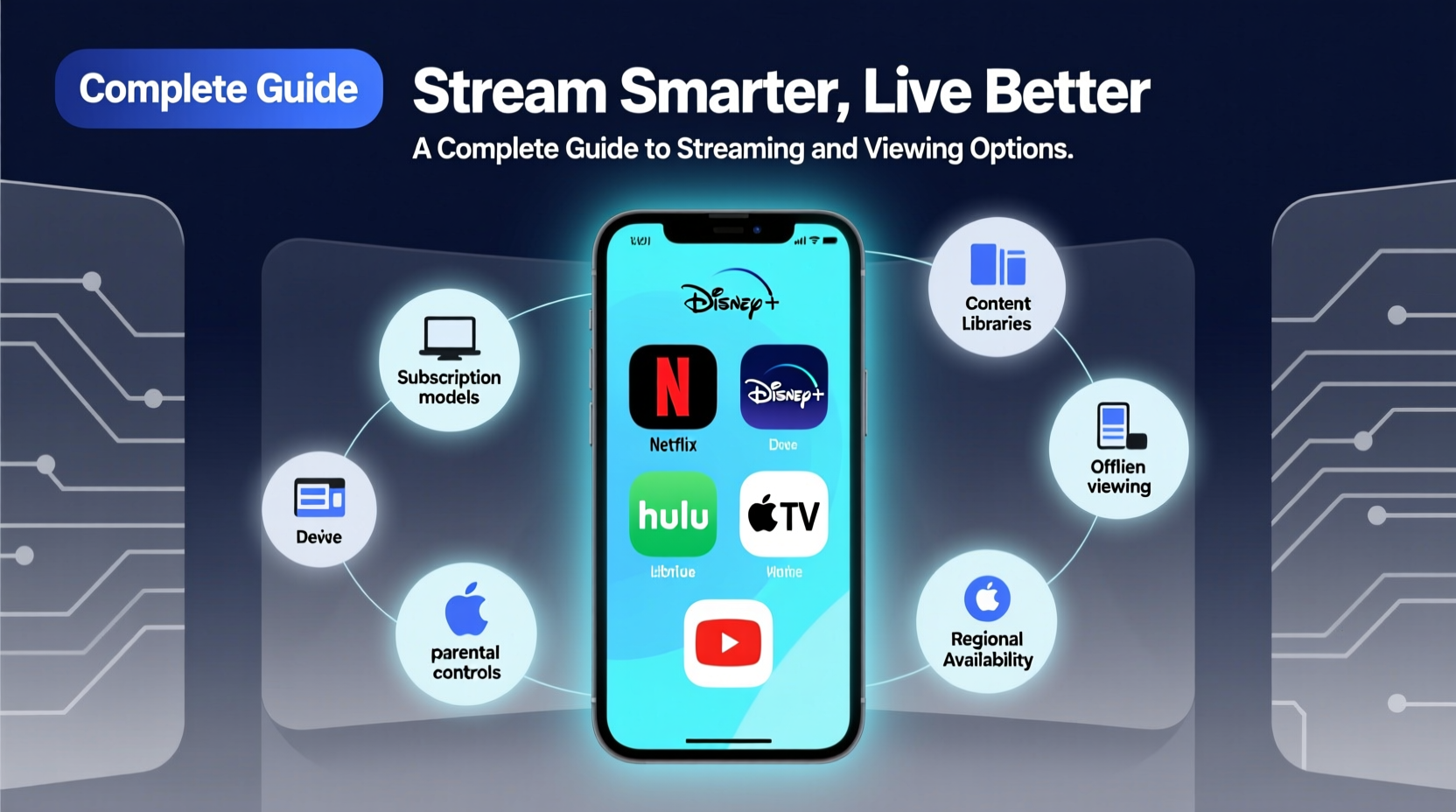
The shift from traditional cable to on-demand streaming has redefined how we consume media. Today, viewers have access to thousands of titles across dozens of platforms, but this abundance can lead to decision fatigue, subscription overload, and diminished enjoyment. The key to watching for life lies not in quantity, but in curation and consistency.
Major players like Netflix, Amazon Prime Video, Disney+, Hulu, HBO Max, and Apple TV+ dominate the market, each offering unique content libraries. Regional services such as BBC iPlayer, Crunchyroll, or MUBI cater to niche audiences. Instead of subscribing to all, assess what aligns with your interests: classic cinema, international dramas, true crime docs, or animated series.
“Streaming isn’t just about access—it’s about intentionality. The most satisfied viewers are those who treat their subscriptions like a curated library.” — Sarah Lin, Digital Media Analyst
Optimizing Your Viewing Setup for Long-Term Comfort
A great viewing experience depends as much on environment as content. Poor lighting, uncomfortable seating, or subpar audio can turn a relaxing night into physical strain. Designing a sustainable viewing space supports lifelong enjoyment without compromising health.
Start with ergonomics: use a chair or sofa that supports your lower back, position screens at eye level, and maintain a viewing distance of 1.5 to 2.5 times the diagonal screen size. For extended sessions, take breaks every 45–60 minutes to reduce eye strain and improve circulation.
Audio matters too. Built-in TV speakers often lack depth. Consider investing in a soundbar or surround system for immersive experiences. If noise is a concern (e.g., late-night viewing), wireless headphones with high-fidelity audio offer a discreet alternative.
Essential Viewing Setup Checklist
- Screen positioned at eye level
- Ambient, non-glare lighting (avoid backlighting)
- Ergonomic seating with lumbar support
- External audio solution (soundbar or headphones)
- Reliable internet connection (minimum 25 Mbps for 4K)
- Remote organizer or universal remote to minimize clutter
Smart Subscription Management: Watch More, Pay Less
With average household spending on streaming surpassing $70 per month, managing costs is crucial for long-term sustainability. The goal isn’t to cut corners, but to maximize value through strategic planning.
Use tools like JustWatch or Reelgood to track which platform hosts the content you want. These aggregators let you search a title and instantly see availability across services, helping avoid redundant subscriptions.
| Platform | Monthly Cost (USD) | Best For | Free Trial? |
|---|---|---|---|
| Netflix | $6.99–$22.99 | Original series, global content | No |
| Disney+ | $8.99 | Families, Marvel, Star Wars | Yes (7-day) |
| Hulu | $7.99–$17.99 | Next-day TV, FX originals | Yes (30-day) |
| Max (HBO) | $9.99–$19.99 | Prestige dramas, documentaries | Yes (7-day) |
| Amazon Prime Video | $8.99 | Acclaimed films, rentals included | 30-day trial with Prime |
Building a Lifelong Viewing Habit: A Step-by-Step Guide
Sustainable viewing isn’t accidental—it’s cultivated. Follow this timeline to develop a personalized, enduring routine:
- Assess Your Interests (Week 1): List your favorite genres, directors, or franchises. Identify gaps in your current access.
- Audit Subscriptions (Week 2): Cancel inactive or underused services. Use comparison tools to prioritize.
- Create a Watchlist (Ongoing): Maintain a dynamic list across platforms using apps like Letterboxd (films) or MyTVSeries (shows).
- Schedule Viewing Time (Weekly): Block out consistent time—e.g., Friday nights or Sunday mornings—for uninterrupted immersion.
- Review & Rotate (Monthly): At month’s end, evaluate what you watched. Rotate one subscription in or out based on next month’s goals.
- Engage Beyond Watching (Long-Term): Join fan communities, attend virtual screenings, or explore behind-the-scenes content to deepen appreciation.
Real Example: How Mark Maintains a Decade-Long Viewing Routine
Mark, a 42-year-old educator from Portland, has maintained a rich viewing life for over ten years without burnout. His secret? Structure and selectivity. He subscribes to only two platforms at a time—rotating between Criterion Channel for classic cinema and Netflix for limited series. Every Sunday, he spends 20 minutes updating his digital watchlist and choosing two titles for the week. He watches only after 8 PM, ensuring it doesn’t interfere with family time. By treating viewing as a ritual rather than a reflex, Mark reports higher satisfaction and fewer instances of “watching nothing despite hours spent.”
Frequently Asked Questions
Can I legally share my streaming accounts?
Yes, many platforms allow account sharing within limits. Netflix permits up to two mobile-only sub-accounts, while Disney+ allows downloads on ten devices and simultaneous streams on four. Always review the provider’s terms to stay compliant.
How do I avoid burnout from binge-watching?
Set episode limits (e.g., max two per sitting), schedule off-days, and diversify your media diet—mix documentaries, foreign films, or short-form content to prevent fatigue.
Are ad-supported tiers worth it?
For casual viewers, yes. Platforms like Hulu, Max, and Peacock offer savings of 30–50% with limited ads. If you’re watching one or two shows, the trade-off is often worthwhile.
Conclusion: Make Every Frame Count
Watching for life isn’t about endless consumption—it’s about cultivating a meaningful relationship with storytelling. With the right mix of platforms, a thoughtful setup, and mindful habits, your viewing experience can evolve into a lifelong source of joy, insight, and connection. Start small: audit one subscription, improve your seating, or create a personal watchlist. Over time, these choices compound into a richer, more sustainable entertainment journey.




 浙公网安备
33010002000092号
浙公网安备
33010002000092号 浙B2-20120091-4
Comments
No comments yet. Why don't you start the discussion?