
Paperclip chain bracelets have surged in popularity for their minimalist aesthetic and versatile wearability. Whether layered or worn solo, they add a subtle elegance to any outfit. However, like all metal jewelry, they are vulnerable to moisture, sweat, and environmental exposure—especially if worn daily. Without proper protection, tarnishing, weakening, and discoloration can occur, diminishing both appearance and structural integrity. The good news is that with the right techniques, you can effectively waterproof your paperclip chain bracelet, preserving its luster and strength for years. This guide walks through proven, accessible methods to enhance durability without compromising style.
Why Waterproofing Matters for Paperclip Chain Bracelets
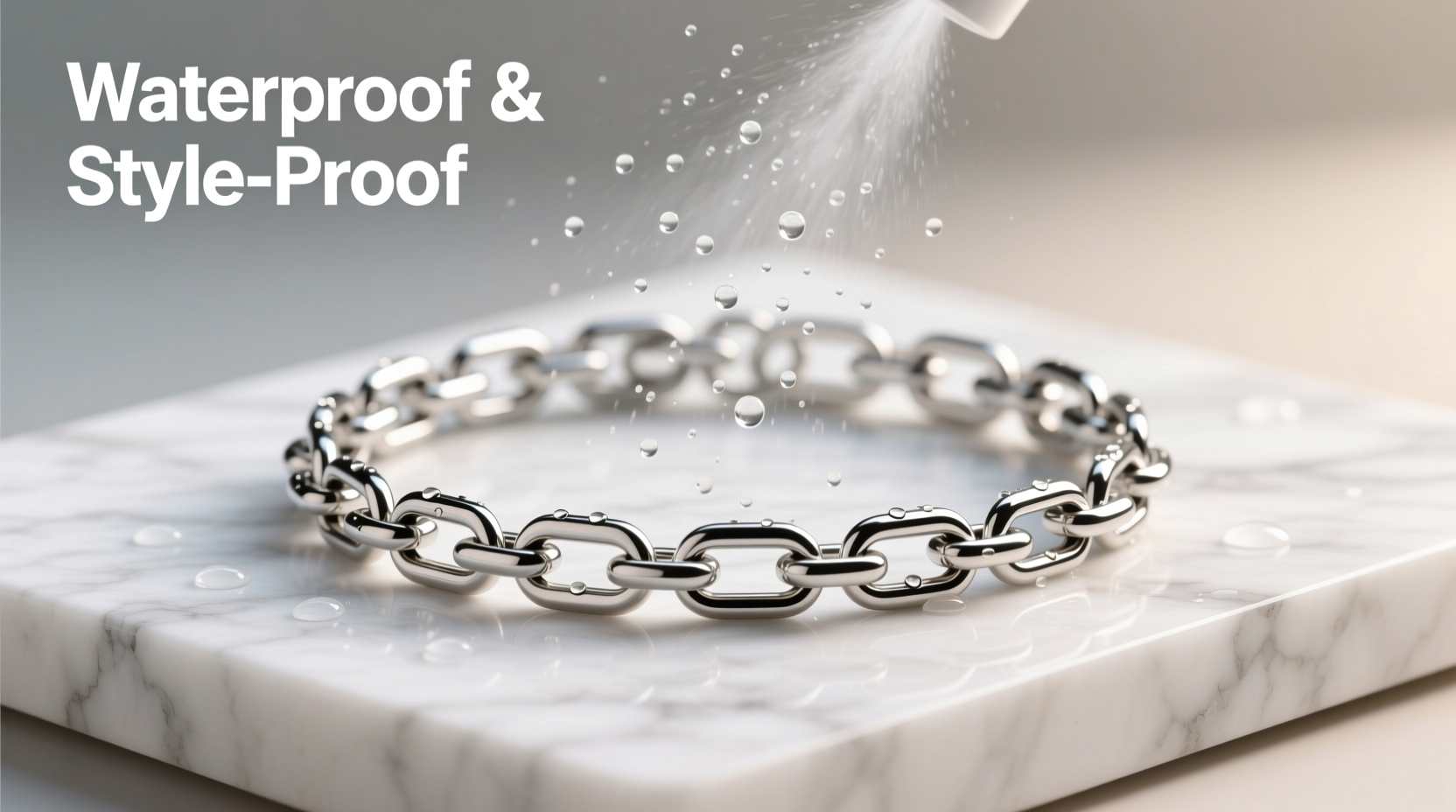
Metal chains, particularly those made from stainless steel, silver, or gold-plated alloys, react over time with moisture, oxygen, and chemicals found in everyday environments. Showers, swimming pools, hand sanitizer, and even perspiration introduce elements that accelerate oxidation and corrosion. A paperclip chain’s open-loop design increases surface exposure, making it more susceptible than solid-link styles.
Waterproofing isn’t about making the bracelet fully submersible but creating a protective barrier that resists moisture absorption and chemical interaction. Proper treatment extends longevity, maintains shine, and reduces the need for frequent polishing or repairs. As fashion designer and accessory specialist Lena Torres notes:
“Jewelry care starts before damage appears. A simple sealant today can prevent irreversible tarnish tomorrow.” — Lena Torres, Accessory Designer & Sustainable Fashion Advocate
Step-by-Step Guide to Waterproofing Your Bracelet
Follow this detailed process to apply a durable, invisible waterproof coating to your paperclip chain bracelet. These steps work best on clean, dry jewelry and should be repeated every 4–6 weeks for consistent protection.
- Remove All Residue: Gently wash the bracelet with warm water and a drop of mild dish soap. Use a soft-bristle toothbrush to reach between links. Rinse thoroughly and pat dry with a lint-free cloth.
- Air-Dry Completely: Place the bracelet on a clean towel in a well-ventilated area for at least 30 minutes. Ensure no moisture remains in crevices.
- Apply Jewelry Sealant: Using a cotton swab or microfiber applicator, apply a thin, even layer of clear jewelry protectant (such as ProtectaClear or Renaissance Wax). Focus on each link, rotating the chain slowly.
- Let It Cure: Allow the sealant to cure for 12–24 hours in a dust-free space. Avoid handling during this period.
- Test and Reapply if Needed: After curing, lightly mist the bracelet with water using a spray bottle. If beads form and roll off, the seal is effective. If water soaks in, repeat the process with a second coat.
Best Waterproofing Products Compared
Not all protectants are created equal. Choosing the right product depends on your bracelet’s material and desired finish. Below is a comparison of top-rated options.
| Product | Best For | Protection Duration | Finish | Reapplication Frequency |
|---|---|---|---|---|
| ProtectaClear (Liquid) | Silver, Gold-Plated, Stainless Steel | 4–6 weeks | Clear, non-yellowing | Every 4 weeks |
| Renaissance Microcrystalline Wax | Vintage or Oxidized Finishes | 6–8 weeks | Slight sheen | Every 6 weeks |
| Jewelry Guard Spray | Daily-Wear Pieces | 2–3 weeks | Matt or Gloss (varies) | Every 2 weeks |
| Nano-Coating DIY Kits | High-Value or Frequent-Use Items | Up to 3 months | Invisible | Every 8–10 weeks |
For most users, ProtectaClear offers the ideal balance of durability and ease of use. Nano-coating kits, while more expensive, provide lab-grade hydrophobic properties and are worth considering for heirloom-quality pieces.
Common Mistakes That Undermine Waterproofing
Even with the best products, improper habits can compromise your efforts. Avoid these pitfalls:
- Skipping the cleaning step: Applying sealant over dirt or oils creates weak adhesion points.
- Over-applying product: Thick layers can leave residue, attract dust, or create a cloudy film.
- Wearing the bracelet while wet: Showering or swimming immediately after application prevents proper bonding.
- Storing improperly: Keeping treated jewelry in humid environments (like bathrooms) degrades the seal faster.
Real-Life Example: From Tarnished to Timeless
Sophie, a graphic designer from Portland, wore her favorite gold-toned paperclip chain bracelet every day—through workouts, coffee runs, and rainy commutes. Within three months, the links began flaking, and the color faded unevenly. After researching restoration methods, she cleaned the piece with a silver dip (for the base metal), repolished gently, and applied two coats of ProtectaClear. She now reapplies monthly and avoids wearing it during intense activity. Over a year later, the bracelet looks nearly new. “I didn’t realize how much daily exposure adds up,” she says. “A little maintenance makes it feel like I got a new piece without spending more.”
Essential Waterproofing Checklist
Use this checklist each time you treat your bracelet to ensure full coverage and effectiveness:
- ✅ Remove bracelet from wrist and inspect for damage
- ✅ Clean with mild soap and soft brush
- ✅ Dry completely—no damp spots between links
- ✅ Apply sealant evenly with a precision tool
- ✅ Allow 12–24 hours of undisturbed curing
- ✅ Perform water bead test to verify protection
- ✅ Store in a dry, lined jewelry box or anti-tarnish pouch
Frequently Asked Questions
Can I swim with a waterproofed paperclip chain bracelet?
While sealing significantly improves resistance, prolonged immersion—especially in chlorinated or salt water—can still degrade the coating over time. It’s best to remove the bracelet before swimming. Even high-end waterproofing isn’t equivalent to industrial water resistance.
Will waterproofing change the look or feel of my bracelet?
When applied correctly, most sealants are invisible and leave no texture. Products like Renaissance Wax may add a slight polish, enhancing shine. Always choose a clear, non-yellowing formula designed for fine jewelry to maintain the original aesthetic.
Is it safe to waterproof gold-plated jewelry?
Yes, but extra caution is required. Harsh chemicals or abrasive cleaners can strip plating. Use only jewelry-specific sealants and apply in thin layers. Avoid alcohol-based products, which may dissolve the adhesive layer beneath the plating.
Final Thoughts: Style Meets Longevity
A paperclip chain bracelet is more than an accessory—it’s a statement of personal style. By investing just 20 minutes every few weeks into waterproofing, you preserve both its beauty and structural soundness. The process is simple, cost-effective, and far less disruptive than replacing a damaged piece. With consistent care, your bracelet can remain a staple in your collection, resisting the wear of time and environment.




 浙公网安备
33010002000092号
浙公网安备
33010002000092号 浙B2-20120091-4
Comments
No comments yet. Why don't you start the discussion?