
Ankle socks are a wardrobe staple for sneaker lovers. They offer breathability, comfort, and a clean aesthetic that complements casual and athletic footwear. Yet, one common frustration undermines their appeal: the constant struggle of socks slipping into the shoe with every step. This not only causes discomfort but can lead to blisters, uneven wear, and an unpolished look. The solution isn’t to abandon ankle socks—it’s to master the art of wearing them properly. With the right choices in sock construction, fit, materials, and lacing techniques, you can keep your ankle socks firmly in place all day long.
Why Ankle Socks Disappear Into Sneakers
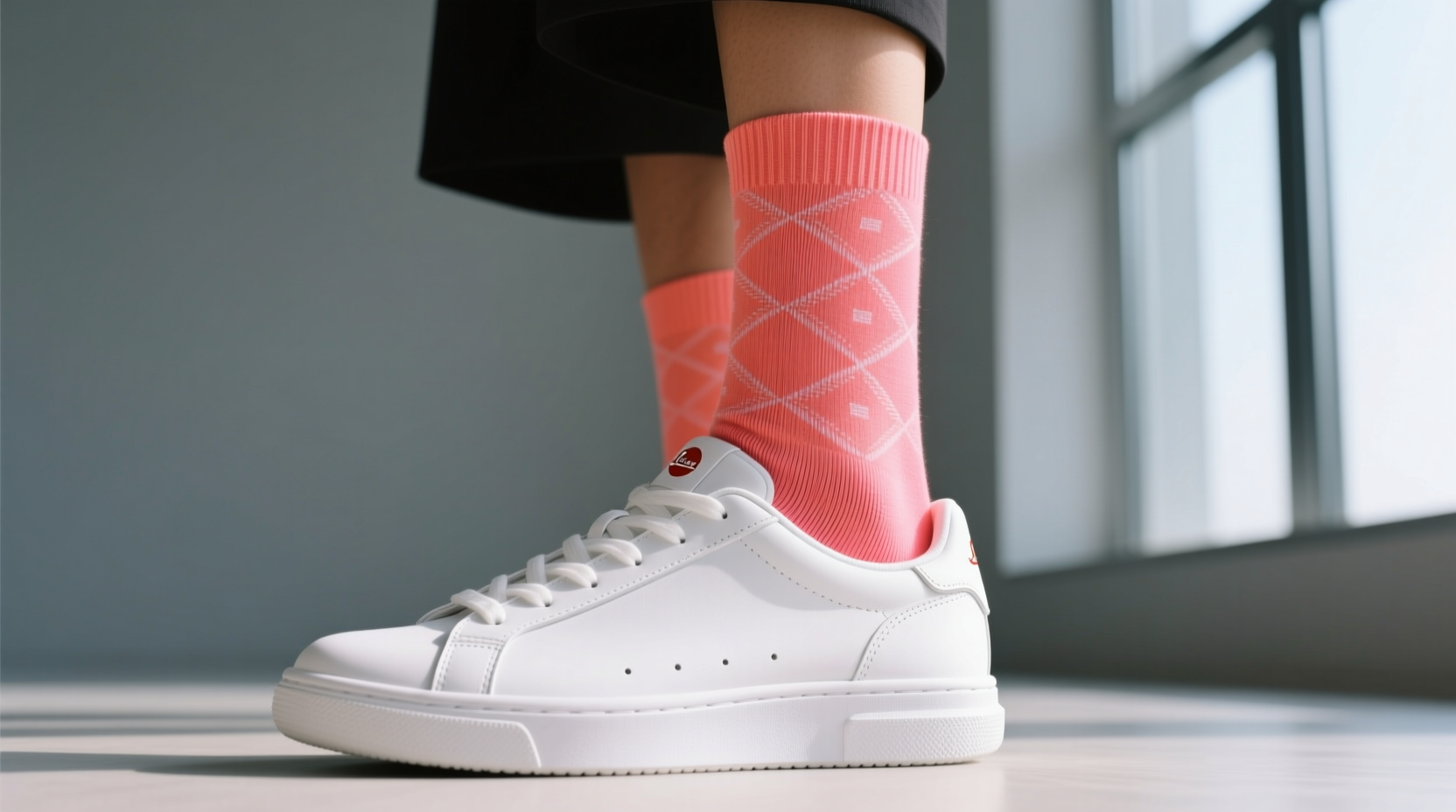
The root cause of disappearing ankle socks lies in the mismatch between sock design, shoe fit, and movement dynamics. When you walk or run, your heel lifts slightly inside the shoe, creating a vacuum effect that pulls loose fabric downward. If the sock lacks grip, elasticity, or proper height, it collapses into the shoe instead of staying snug around the ankle.
Several factors contribute to this issue:
- Poor sock elasticity: Over time, cotton-rich socks lose their stretch, especially around the cuff.
- Loose-fitting sneakers: Shoes that don’t hug the heel allow more foot movement, increasing friction and slippage.
- Inadequate sock height: Some “ankle” socks sit too low, barely clearing the shoe collar.
- Lack of grip features: Socks without silicone grips or terry padding tend to slide more easily.
Understanding these mechanics is the first step toward solving the problem. The goal isn’t just to prevent sinking—it’s to achieve a seamless, secure fit that enhances both comfort and appearance.
Choose the Right Sock Material and Construction
Not all ankle socks are created equal. The material blend and knit structure determine how well they stay up and resist compression. While cotton is soft and breathable, it tends to stretch out quickly and absorb moisture, leading to sagging. Opting for performance-oriented blends offers better results.
Ideal sock materials include:
- Mercerized cotton: Treated cotton that’s stronger, smoother, and less prone to pilling.
- Nylon: Adds durability and shape retention.
- Spandex (Lycra/Elastane): Provides targeted stretch and recovery, especially in the cuff.
- Microfiber: Lightweight, moisture-wicking, and resistant to odor buildup.
Look for socks labeled as “no-show,” “stay-up,” or “performance.” These often feature reinforced cuffs with extra spandex or silicone strips on the heel and arch to prevent slippage.
“Socks with 3–5% spandex in the cuff maintain their shape far longer than traditional cotton pairs.” — Daniel Reyes, Footwear Product Developer at Athletech Labs
Select Sneakers That Complement Your Socks
Your shoe choice plays a crucial role in sock stability. A high-top sneaker with a rigid collar supports the ankle and prevents downward pull, while low-tops require more reliance on sock design and fit.
When pairing ankle socks with sneakers, consider the following:
- Heel lockdown: Try on sneakers with your typical socks. Walk around and notice if your heel lifts. Better lockdown means less sock displacement.
- Collar padding: Padded collars reduce friction and create a buffer that helps hold socks in place.
- Fit consistency: Ensure your sneakers fit true to size. Oversized shoes increase internal movement.
Some sneaker models—like the Adidas Stan Smith, Nike Air Force 1, or New Balance 574—are known for their snug heel fit, making them ideal partners for ankle socks.
| Sneaker Type | Sock Compatibility | Recommendation |
|---|---|---|
| Low-top canvas (e.g., Converse) | Moderate – requires grippy socks | Use no-show socks with silicone grip |
| Leather low-top (e.g., Common Projects) | High – structured collar holds socks | Any quality ankle sock works well |
| Athletic running shoes | Variable – depends on heel fit | Wear performance socks with arch bands |
| Slip-ons or loafers | Poor – minimal ankle support | Avoid unless using invisible grip socks |
Step-by-Step: How to Wear Ankle Socks Without Disappearing
Follow this practical routine to ensure your ankle socks stay visible and functional throughout the day.
- Start with the right sock: Choose a no-show or ankle sock with a reinforced cuff and at least 3% spandex. Brands like Stance, Bombas, or Feetures specialize in stay-up designs.
- Put on socks before shoes: Sit down and pull the sock fully over your heel and up to the ankle bone. Adjust so there are no wrinkles.
- Check the height: The top of the sock should sit about half an inch above your sneaker’s collar when standing. If it dips below, try a taller cut.
- Lace your shoes securely: Use a locking lace technique (such as the “runner’s loop”) to lock your heel in place and minimize internal movement.
- Test before leaving: Walk up and down stairs, jog in place, or mimic your daily movements. If the sock slips, re-adjust or switch to a grippier option.
Real-Life Example: Office Commuter Struggles with Sock Slippage
Mark, a graphic designer in Chicago, walks 45 minutes each way to work in his favorite white leather sneakers. He preferred ankle socks for their sleek look but constantly battled disappearing socks by midday. His coworkers joked that he was “half-socked.”
After switching to a pair of merino wool-blend ankle socks with silicone heel grips and adjusting his lacing method, Mark noticed immediate improvement. Not only did his socks stay up, but he also experienced fewer blisters and felt more confident during client meetings. He now recommends the same combo to colleagues facing similar issues.
His takeaway? “It’s not just about the sock—it’s the whole system: sock material, shoe fit, and how you tie them. Once I got all three right, the problem vanished.”
Advanced Techniques for Maximum Hold
Beyond basic fit and materials, several advanced strategies can enhance sock retention, especially for active use or extended wear.
Use Silicone Grip Socks
These socks have small silicone patterns on the heel and arch that adhere gently to your skin and shoe lining. They act like anchors, preventing downward drift. While subtle, the difference is significant during dynamic movement.
Try the Double-Layer Method
For extreme conditions (long hikes, travel days), some people wear a thin liner sock underneath a standard ankle sock. The inner layer reduces friction against the skin, while the outer sock provides cushion and structure. Just ensure the combined thickness doesn’t make your shoes too tight.
Adjust Your Lacing Pattern
The standard crisscross lacing may not provide enough heel security. Instead, use the “lace lock” or “heal lock” technique:
- Lace normally until the second-to-last eyelet.
- Instead of crossing, feed each lace straight up through the final eyelet on the same side.
- Create a loop with each side and cross them over, then pull the ends through to form a knot.
This creates a cinch around the ankle, locking the heel and sock in place.
Checklist: Never Lose Your Ankle Socks Again
Before stepping out, run through this checklist to ensure your socks stay visible and comfortable:
- ✅ Sock has at least 3% spandex in the cuff
- ✅ Top of sock sits above sneaker collar when standing
- ✅ No wrinkles or bunching behind the heel
- ✅ Sneakers fit snugly around the heel (minimal slippage)
- ✅ Used a secure lacing method (e.g., runner’s loop)
- ✅ Tested movement (walking, squatting) before leaving
- ✅ Considered environment (humidity, activity level)
Frequently Asked Questions
Can I wear ankle socks with slip-on sneakers?
Yes, but it’s challenging. Slip-ons lack laces and often have looser fits, increasing sock slippage. Use invisible grip socks with silicone strips or consider going sockless with foot powder to reduce odor and sweat.
Why do my new ankle socks still disappear after one wear?
Even high-quality socks can fail if your shoes don’t fit well. Also, some brands label socks as “no-show” but design them too short. Check the actual height—true no-shows should be about 1 inch tall when unstretched. Wash them according to instructions to preserve elasticity.
Are there specific brands known for non-sinking ankle socks?
Yes. Recommended brands include Bombas (featuring Honeycomb Support System), Feetures (targeted compression zones), Stance (stylish with strong cuffs), and Smartwool (merino wool with natural stretch). These invest in engineering, not just aesthetics.
Final Thoughts: Elevate Your Everyday Look
Wearing ankle socks with sneakers shouldn’t be a battle. With thoughtful choices in materials, fit, and technique, you can enjoy the clean, minimalist look without sacrificing comfort or function. The key is treating your sock-and-shoe combination as a system—not isolated pieces. When each element supports the other, you achieve a polished, reliable result.
Don’t settle for rolled-down cuffs or constant readjustment. Apply these strategies consistently, and you’ll find that staying stylish on your feet is simpler than you thought.




 浙公网安备
33010002000092号
浙公网安备
33010002000092号 浙B2-20120091-4
Comments
No comments yet. Why don't you start the discussion?