
Pastel colors are often associated with spring—soft pinks, mint greens, baby blues, and lavender hues that bloom alongside cherry blossoms and daffodils. But just because the calendar flips to autumn doesn’t mean you have to pack away your lighter wardrobe. With thoughtful layering, strategic color pairing, and a shift in fabric choices, pastels can be worn confidently throughout the fall months. The key lies not in rejecting seasonal norms, but in reinterpreting them with intention.
The idea that fashion must strictly follow seasonal rules is outdated. Modern wardrobes thrive on versatility, self-expression, and sustainability. Wearing what you love—regardless of temperature or tradition—is not only empowering but also practical. By integrating pastels into your fall ensembles, you create looks that feel fresh, unexpected, and uniquely yours.
Why Pastels Work in Fall (When Done Right)
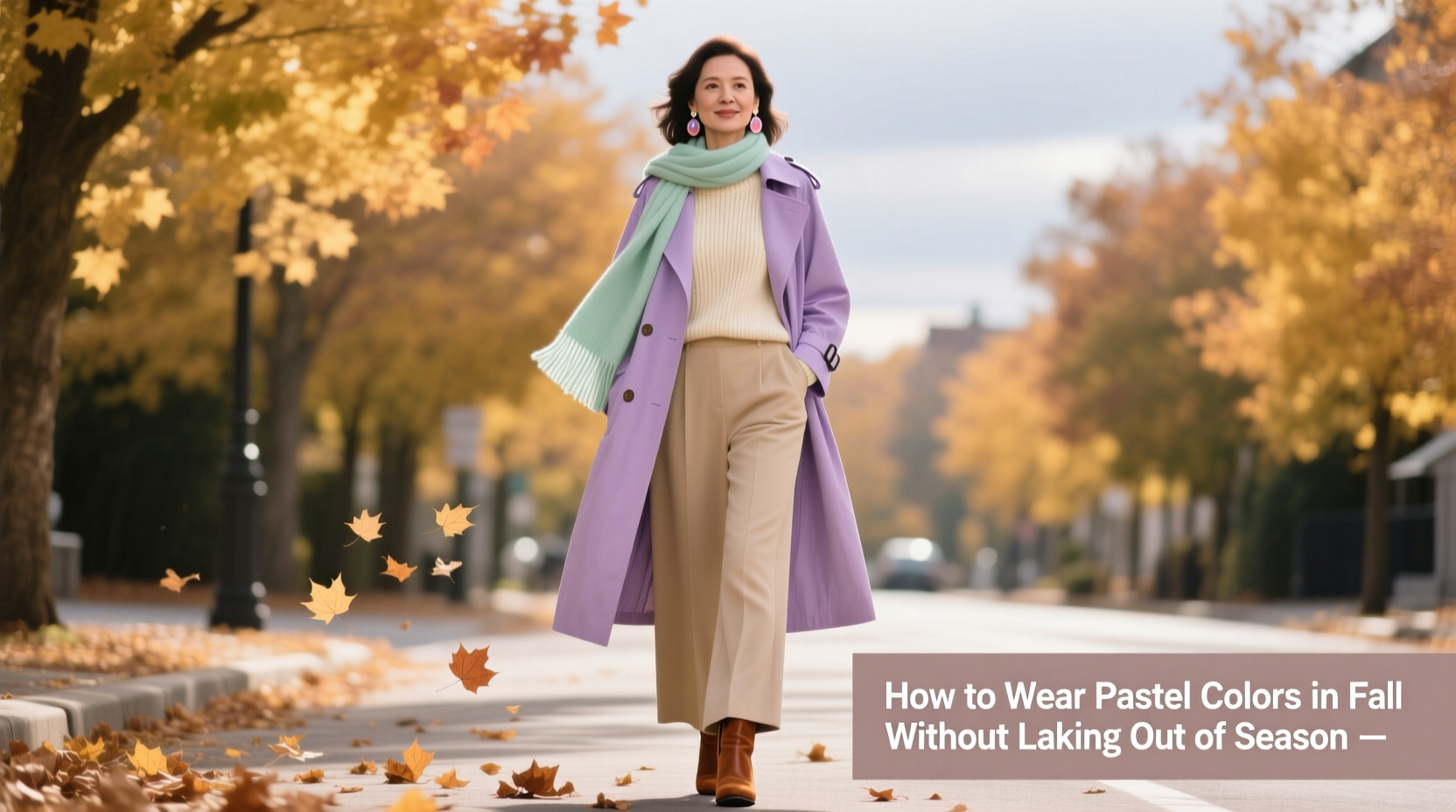
Contrary to popular belief, color has no expiration date. Seasons influence mood, atmosphere, and lighting—not what you're allowed to wear. In fact, the muted light of autumn mornings and overcast skies can enhance the subtlety of pastels, making them appear more refined than they might under harsh summer sun.
Fashion experts increasingly advocate for year-round color use. As stylist and author Aimee Kestenberg notes:
“Color is emotional, not chronological. If a shade makes you feel radiant, it belongs in your life—regardless of the weather.” — Aimee Kestenberg, Fashion Stylist & Designer
The challenge isn’t wearing pastels in fall—it’s balancing them so they don’t clash with the earth-toned, deeper palettes typically associated with the season. When grounded properly, pastels add soft contrast, visual interest, and a touch of optimism to cooler-weather outfits.
Strategic Color Pairing: Grounding Pastels with Autumn Tones
The most effective way to integrate pastels into fall is through intentional color coordination. Instead of pairing pale pink with white linen (a spring staple), try anchoring it with rich, warm neutrals that reflect the season’s natural palette.
Consider these harmonious combinations:
- Pale lavender + charcoal gray or deep plum: Creates a sophisticated, moody contrast.
- Mint green + olive or forest green: Blends seamlessly with nature-inspired tones.
- Blush pink + camel or cognac brown: Adds warmth while keeping the look soft.
- Butter yellow + navy or chocolate brown: Offers cheerful contrast without appearing jarring.
Avoid pairing pastels with bright whites or other pastels during colder months unless you’re aiming for a deliberately ethereal or editorial look. Instead, opt for off-whites like ivory, oatmeal, or beige, which feel cozier and more seasonally appropriate.
| Pastel Shade | Best Fall Pairings | Use With Caution |
|---|---|---|
| Blush Pink | Camel, taupe, chocolate brown, navy | Bright white, neon accents |
| Soft Lavender | Charcoal, burgundy, black, moss green | Hot pink, electric blue |
| Mint Green | Olive, rust, cream, denim | Lemon yellow, lime green |
| Butter Yellow | Deep teal, espresso, heather gray | Silver metallics, icy blue |
Choosing the Right Fabrics and Textures
Texture plays a crucial role in making pastels feel seasonally appropriate. A cotton eyelet dress may scream \"beach day,\" but the same hue in cashmere, corduroy, or brushed wool instantly reads as autumnal.
Swap lightweight materials for those with more body and warmth:
- Cashmere sweaters in powder blue or heather rose
- Corduroy trousers in pale sage or buttercream
- Tweed blazers with subtle pastel threads woven in
- Knit cardigans in lilac or dove gray
- Leather accessories like bags or boots in neutral tones to balance softness
Layering is your greatest ally. Try a pale pink turtleneck under a structured chocolate-brown blazer, or wear a mint-hued scarf over a charcoal coat. These combinations maintain warmth while allowing pastels to shine in context.
Step-by-Step Guide: Transitioning Pastels into Your Fall Wardrobe
If you're unsure where to begin, follow this five-step approach to incorporate pastels seamlessly into your autumn rotation:
- Start with one pastel piece – Choose a top, scarf, or sweater in a soft tone you already own or feel drawn to.
- Select a dominant fall base – Build the rest of your outfit around a core autumn color: camel coat, dark jeans, or a black skirt.
- Add texture and layers – Incorporate knits, wool, or suede elements to ground the look.
- Limit competing brights – Avoid mixing multiple light shades unless intentionally styled.
- Evaluate in natural light – Check how the outfit appears outdoors on a cloudy day—the true test of seasonal harmony.
This method allows you to experiment without overcommitting. Once you see how well a blush sweater works under a navy trench, you’ll feel more confident expanding your pastel repertoire.
Real Example: Olivia’s Office-to-Dinner Look
Olivia, a 34-year-old marketing director in Portland, wanted to keep her favorite dusty rose cardigan in rotation after Labor Day. She paired it with:
- A cream silk camisole (for softness)
- High-waisted chocolate-brown trousers (for grounding)
- A long charcoal-gray wool coat (for structure and warmth)
- Cognac ankle boots (to tie in earthy warmth)
- A structured tan handbag (neutral accessory)
The result? A polished, professional look that felt fresh but undeniably autumnal. Her colleagues complimented the outfit, assuming the cardigan was a new fall purchase. This small win encouraged her to later try a mint-green turtleneck with olive cargo pants and a black leather jacket—another success.
Olivia’s experience illustrates that context matters more than color alone. It wasn’t the pastel that made the outfit work—it was how she framed it within the season.
Accessories: Subtle Ways to Introduce Pastels
If full garments feel risky, start with accessories. They offer low-commitment opportunities to test pastels in cooler months.
Effective pastel accessories for fall include:
- Silk scarves in lavender or sky blue, tied loosely around a coat collar
- Leather gloves in pale gray or blush (yes, they exist!)
- Belts in soft tan or dove pink to cinch a darker dress or coat
- Bags with pastel linings visible when opened—adds a playful surprise
- Jewelry with opal, moonstone, or morganite stones that echo pastel tones
These touches introduce color without overwhelming the ensemble. They also serve as conversation starters and personal signatures—ways to express individuality even in conservative settings.
Common Mistakes to Avoid
Even with good intentions, certain missteps can make pastels look out of place in fall. Watch out for these pitfalls:
- Overusing sheer or lightweight fabrics – Sheer sleeves or linen blends read as summer unless layered heavily.
- Pairing with flip-flops or sandals – Footwear instantly dates an outfit. Opt for boots or loafers instead.
- Ignoring undertones – Cool pastels (like icy blue) need cool neutrals (gray, silver). Warm pastels (peach, butter) go better with warm bases (brown, rust).
- Going full monochrome pastel – An all-pastel look lacks seasonal weight. Always anchor with at least one deeper tone.
“The secret to off-season color isn’t hiding it—it’s honoring the season around it.” — Marcus Reed, Menswear & Color Consultant
Checklist: Wear Pastels in Fall Like a Pro
Before stepping out, run through this checklist to ensure your pastel look feels intentional and seasonally balanced:
- ✅ One dominant fall-toned piece (coat, pants, or shoes)
- ✅ At least one textured fabric (knit, corduroy, wool)
- ✅ Neutral or earth-toned footwear (boots, oxfords, loafers)
- ✅ Limited use of white or bright accents
- ✅ Outer layer that provides warmth and structure
- ✅ Natural light test passed (doesn’t look overly bright or summery outside)
FAQ: Your Questions About Pastels in Fall, Answered
Can I wear a pastel dress in fall?
Yes—if you layer it. Wear a pastel midi dress with opaque tights, a tailored coat, and ankle boots. Choose a fabric like jersey, wool blend, or velvet for added warmth and texture.
Are there specific pastels that work better in fall?
Yes. Muted or dusty versions of pastels—dusty rose, sage green, slate blue, and warm lavender—are more transitional than their brighter counterparts. They contain subtle gray or brown undertones that align with autumn palettes.
What if people say it’s ‘too early’ or ‘not seasonal’?
Personal style transcends rigid rules. If you feel confident and the outfit is well-constructed, trust your judgment. Many fashion-forward cities now embrace year-round color. You might even inspire others to rethink their seasonal limits.
Conclusion: Reclaim Your Palette, Regardless of the Season
Wearing pastel colors in fall isn’t about defying trends—it’s about evolving them. Fashion should serve the wearer, not confine them. By understanding how to ground soft hues with rich textures and complementary tones, you can enjoy your favorite colors all year long.
The beauty of personal style lies in its flexibility. Whether you're drawn to the quiet elegance of a misty gray-blue sweater or the gentle cheer of a peach-hued scarf, these shades deserve space in your autumn wardrobe. Don’t wait for spring to feel light, soft, or joyful. Bring that energy with you—layer by layer, choice by choice.




 浙公网安备
33010002000092号
浙公网安备
33010002000092号 浙B2-20120091-4
Comments
No comments yet. Why don't you start the discussion?