
Traveling the world doesn’t have to mean draining your savings or pausing your career. Thousands of professionals now blend work with exploration, building lives that span continents without sacrificing financial stability. The key lies in preparation, adaptability, and knowing how to generate income across borders. Whether you're drawn to Southeast Asia’s bustling markets, Europe’s historic cities, or Latin America’s vibrant communities, it’s possible to sustain yourself while absorbing new cultures—legally, affordably, and meaningfully.
Choose the Right Work Model for Global Mobility
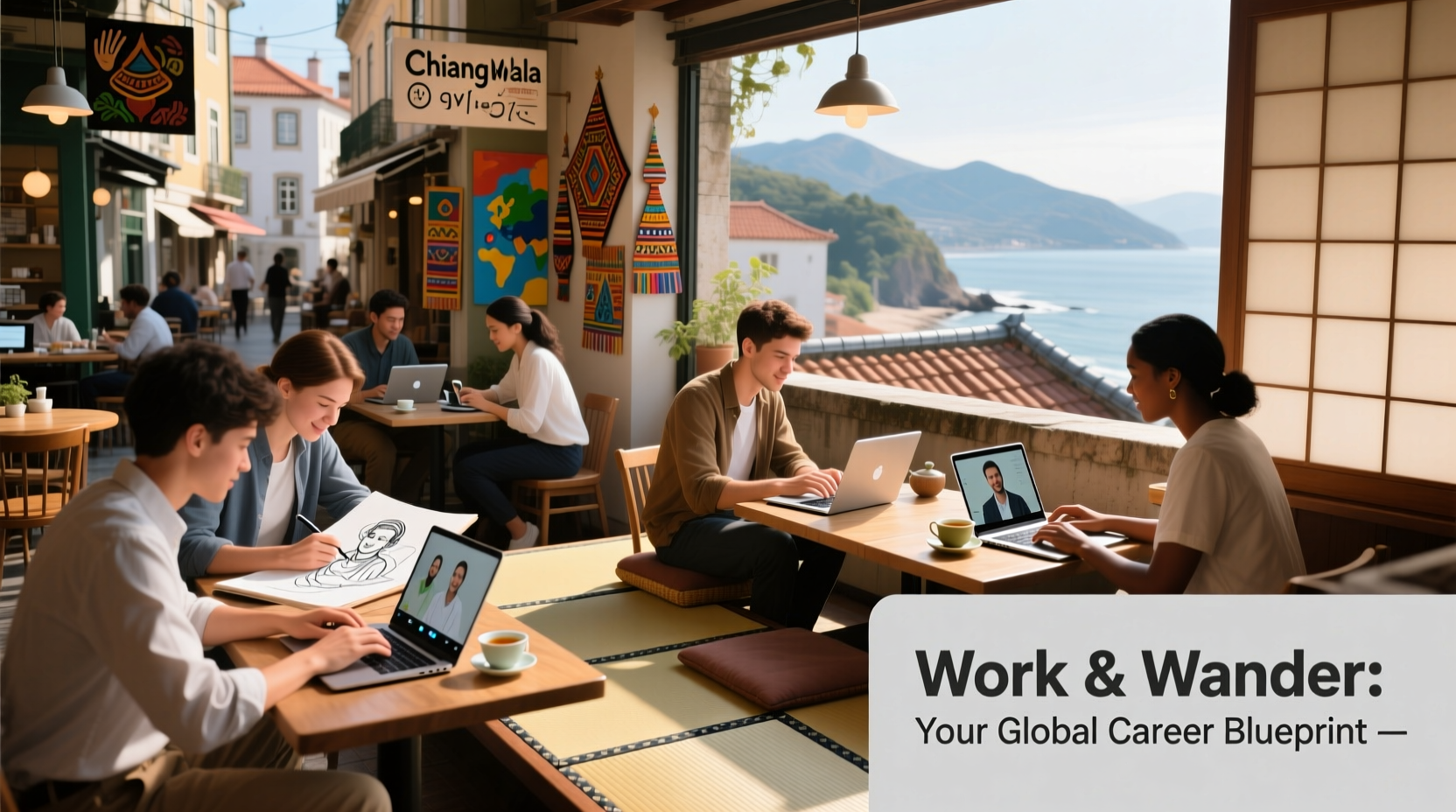
The first step is aligning your skills with an income stream that supports mobility. Not all jobs translate well to international settings, but several models thrive in this context:
- Remote freelancing: Writing, design, programming, marketing, and consulting are highly portable. Platforms like Upwork, Fiverr, and Toptal offer access to global clients.
- Digital nomad employment: Many companies now hire remote-first employees. Roles in customer support, project management, and software development often allow location independence.
- Online teaching: Teaching English as a foreign language (TEFL) or tutoring academic subjects online can be done from anywhere with reliable internet.
- Content creation: Blogging, YouTube, podcasting, or social media management can generate passive or active income with minimal infrastructure.
- Seasonal or local work: In countries with working holiday visas, short-term jobs in hospitality, agriculture, or tourism are viable options.
Navigate Visas and Legal Requirements Strategically
One of the most common pitfalls for aspiring location-independent workers is misunderstanding immigration rules. Tourist visas typically prohibit formal employment with local companies. However, many countries now recognize digital nomads and offer specific pathways.
| Country | Visa Type | Duration | Key Requirements |
|---|---|---|---|
| Portugal | Digital Nomad Visa | 1 year, renewable | Proof of remote income ≥ €3,280/month |
| Costa Rica | Freelancer Visa (Rentista) | 1–2 years | Bank deposits or monthly income proof |
| Thailand | Smart Visa (Tech/Professional) | 4 years | Sponsorship or qualifying salary/investment |
| Germany | Freelance Visa | 1 year, extendable | Business plan, health insurance, sufficient funds |
| Georgia | Remote Worker Visa | 1 year | Income ≥ $2,000/month, no local employment |
If a country lacks a dedicated digital nomad visa, consider staying on tourist status for up to 90 days (in Schengen countries) or using visa runs responsibly. Always verify current regulations through official government sources—not expat forums.
“Legal compliance isn’t just about avoiding fines—it builds trust with host communities and ensures long-term access.” — Laura Simmons, Immigration Consultant & Nomad Advocate
Build a Sustainable Financial Framework
Earning while abroad requires more than finding clients—it demands smart financial planning. Currency fluctuations, banking limitations, and tax obligations can complicate even the most promising setup.
Start by opening a multi-currency account like Wise (formerly TransferWise) or Revolut. These platforms reduce exchange fees and simplify invoicing in different currencies. Avoid relying solely on home-country banks, which often charge high international transaction fees.
Taxes remain a critical consideration. Most countries tax residents based on physical presence or income source. The U.S. is an exception—citizens must file taxes regardless of where they live. Others, like Canada or Australia, offer temporary foreign income exclusions if you’re outside the country for 183+ days.
Step-by-Step: Managing Finances Abroad
- Open a low-fee international banking account.
- Track income and expenses in local currency and USD/EUR.
- Use accounting tools like Wave or QuickBooks Self-Employed.
- Consult a cross-border tax advisor annually.
- Set up automatic transfers to a savings reserve.
Integrate Authentically into Local Cultures
Working abroad offers more than scenic backdrops for Zoom calls—it provides deep cultural immersion. But meaningful integration requires intentionality beyond surface-level tourism.
Learn basic phrases in the local language. Even simple greetings build rapport and show respect. Attend community events, join local co-working spaces, or volunteer. These connections often lead to unexpected opportunities, from collaborations to housing leads.
Respect local work rhythms. In Spain, business slows during siesta; in Japan, punctuality and formality matter deeply. Observing these norms prevents misunderstandings and enhances your professional reputation.
Mini Case Study: From Freelancer to Cultural Connector
Maya, a Canadian graphic designer, moved to Oaxaca, Mexico, on a one-year rental visa. Instead of isolating herself in cafes, she enrolled in a Spanish immersion course and volunteered at a local arts nonprofit. Her fluency improved rapidly, and she began designing branding materials for small artisan cooperatives. Within six months, 40% of her income came from Mexican clients. More importantly, she formed lasting friendships and gained insights no tour could provide.
Create a Realistic Action Plan
Moving abroad to work isn’t spontaneous—it’s strategic. Use the checklist below to prepare thoroughly.
Digital Nomad Preparation Checklist
- ✅ Assess your skill set and identify remote-friendly services
- ✅ Build a portfolio website with testimonials and contact info
- ✅ Research target countries’ visa policies and cost of living
- ✅ Secure health insurance with global coverage (e.g., SafetyWing)
- ✅ Pack lightweight tech: laptop, power adapter, noise-canceling headphones
- ✅ Notify your bank of travel plans to avoid frozen accounts
- ✅ Set up cloud backups for essential documents and projects
- ✅ Book initial accommodation for 7–14 days to stabilize arrival
Start small. Try a two-week workation in a nearby country before committing to longer stays. Test your workflow, internet reliability, and daily rhythm. Adjust based on what works—not just what looks good on Instagram.
Frequently Asked Questions
Can I work remotely on a tourist visa?
Legally, most countries prohibit formal employment on tourist visas. However, many digital nomads operate under informal tolerance, especially if not paid by a local entity. Still, this carries risk. For long-term stays, pursue a proper work or digital nomad visa.
How much money do I need to start?
It depends on destination. In Chiang Mai, Thailand, $1,200/month covers rent, food, and co-working. In Berlin or Lisbon, budget $2,000–$2,500. Aim to have at least three months of expenses saved before departure.
What if my internet fails during a client call?
Always have a backup: a mobile hotspot, secondary café nearby, or offline work ready. Communicate proactively with clients if disruptions occur. Most understand occasional connectivity issues when explained respectfully.
Conclusion
Working and traveling abroad is no longer a fantasy reserved for the privileged few. With the right preparation, mindset, and respect for local contexts, you can earn a living while engaging deeply with the world. It’s not about escaping responsibility—it’s about redefining where and how you fulfill it. Culture isn’t something you fly over; it’s something you live within. Start planning your next move with clarity, integrity, and curiosity. The world isn’t just out there—it’s waiting for you to become part of it.




 浙公网安备
33010002000092号
浙公网安备
33010002000092号 浙B2-20120091-4
Comments
No comments yet. Why don't you start the discussion?