
Wrapping a column with lights can transform an outdoor space into a magical, inviting environment—perfect for patios, porches, or event venues. But achieving that seamless, professional look isn’t just about draping strings haphazardly. The difference between amateur and polished lies in precision: consistent spacing, even tension, and strategic planning. When done right, the result is a continuous glow with no noticeable breaks or clusters. This guide walks you through proven methods to wrap any column—round, square, or fluted—with holiday or decorative lights, ensuring every inch shines uniformly.
Understand the Column Type and Light Requirements
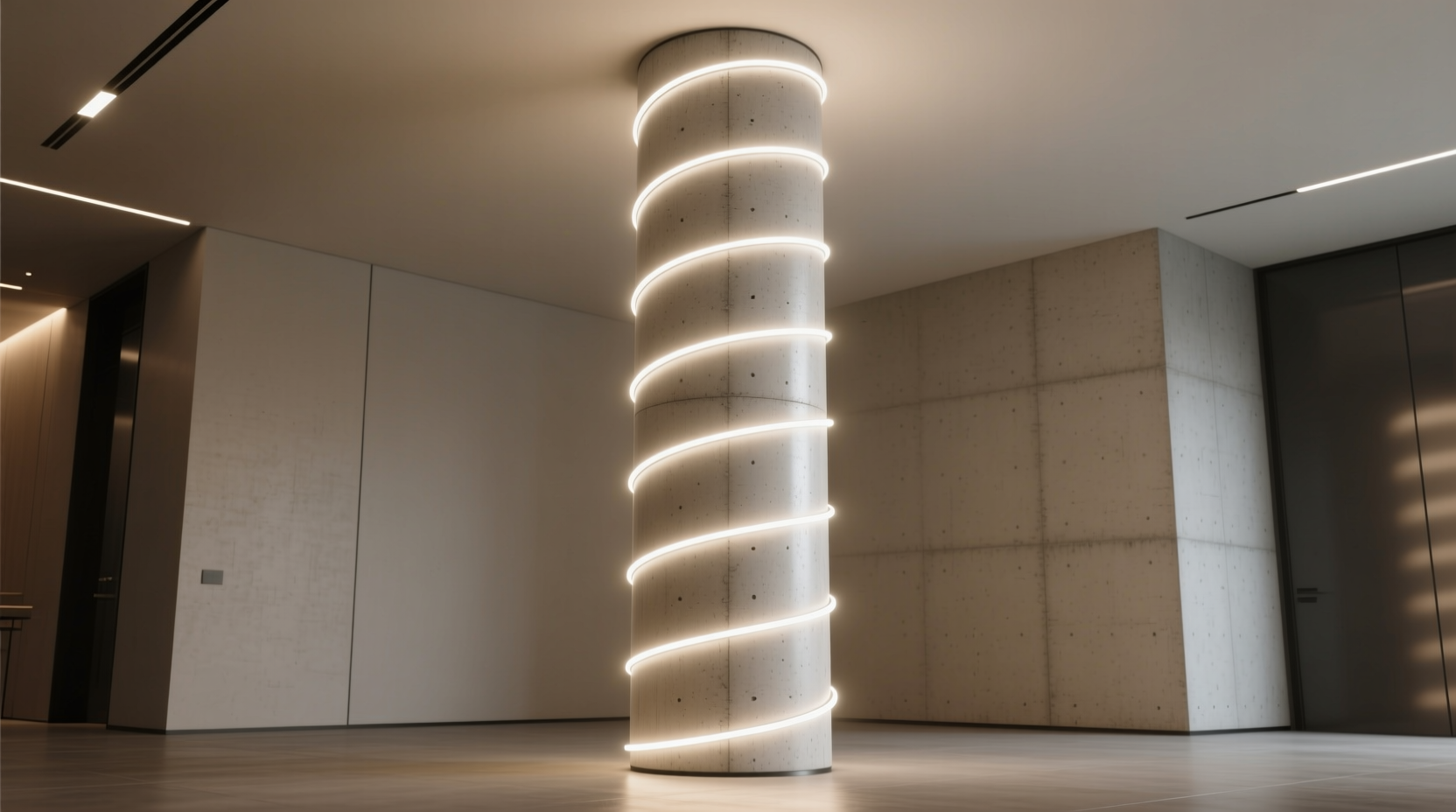
The first step in achieving an even wrap is assessing the structure itself. Columns come in various shapes and materials—wood, stone, concrete, PVC—and each affects how lights adhere and appear. Round columns are most common, but square or octagonal ones require different wrapping patterns to avoid dark corners.
Lights also vary significantly. Miniature string lights (like C6 or C7 bulbs) work best for tight, detailed wraps. Icicle lights or net lights aren't ideal here—they’re designed for flat surfaces. For columns, use flexible, cuttable LED strands with 100–200 bulbs per string, depending on height. Warm white creates a cozy ambiance; cool white offers a crisp, modern look.
Plan Your Wrap Pattern for Maximum Coverage
Even spacing begins with a plan. Random wrapping leads to clumping at the top or bottom and sparse areas in between. Two primary wrapping styles deliver uniform coverage: vertical stacking and spiral wrapping.
- Spiral Wrap: Ideal for round columns. Lights follow a continuous helix from base to top. Spacing determines density—3 to 6 inches between loops is typical.
- Vertical Stacking: Best for square or angular columns. Install horizontal bands of lights at regular intervals, like rings around the column. This prevents shadows in corners.
To calculate how many loops you’ll need, measure the column’s height and divide by your desired spacing. For example, a 9-foot (108-inch) column with 4-inch spacing requires 27 loops. Multiply that by the column’s circumference to estimate total light length needed.
“Professional installations rely on math, not guesswork. Measure twice, plug in once.” — Marcus Reed, Outdoor Lighting Designer
Step-by-Step Guide to Even Light Wrapping
Follow this sequence to wrap any column with precision and avoid visible gaps.
- Measure the column. Record height and circumference. Use a soft measuring tape for curved surfaces.
- Choose your spacing. For residential use, 4–6 inches between rows provides balanced brightness. Closer spacing (2–3 inches) works for commercial displays needing high density.
- Determine total light length required. Multiply number of loops by circumference. Add 10% extra for anchoring and errors.
- Select mounting method. Avoid nails or staples. Use plastic cable ties, adhesive clips, or twist ties for non-damaging attachment.
- Start at the base. Secure the end of the string firmly. Begin wrapping upward in your chosen pattern.
- Maintain consistent tension. Don’t pull too tight—this distorts the strand. Keep lights snug against the surface but flexible.
- Use a guide tool. Wrap a piece of string around the column at your spacing interval as a visual marker. Re-measure every few loops.
- Test as you go. Plug in the strand periodically to check for dark spots or flickering sections.
- Secure connections. If linking multiple strings, keep junctions near the back or bottom where they’re less visible.
- Final inspection. Step back and view from multiple angles. Adjust any sagging or uneven loops before finalizing.
Do’s and Don’ts: Common Mistakes and How to Avoid Them
Even experienced decorators make mistakes that lead to gaps. Use this table to stay on track.
| Do | Don’t |
|---|---|
| Use adhesive-backed clips rated for outdoor use | Nail or staple directly into wood or stucco |
| Maintain consistent spacing with a measuring tape | Estimate spacing by eye alone |
| Overlap ends slightly when connecting strings | Leave dark gaps between separate light strands |
| Check voltage compatibility when daisy-chaining | Plug more than three standard sets into one outlet |
| Inspect wires for fraying before installation | Use indoor-rated lights outdoors |
Real Example: Wrapping a Porch Column for a Holiday Display
Consider Sarah, who wanted to illuminate four 10-foot-tall wooden porch columns for Christmas. Her first attempt used random spirals, resulting in thin spots near the top and clustered bulbs at eye level. Guests noticed dark patches when viewed from the driveway.
For her second try, she measured each column (36-inch circumference) and decided on a 5-inch spacing. That meant 24 loops per column. She calculated needing 86 feet of lights per column (24 × 3 ft), totaling over 340 feet. She purchased commercial-grade LED C9 strings with built-in clips.
Using a chalk line wrapped every 5 inches as a guide, she began at the base with the plug end facing down. She used UV-resistant zip ties every 18 inches along the spiral to maintain alignment. After testing each column mid-wrap, she adjusted two loops that had sagged. The final result was a smooth, glowing ribbon effect—no gaps, no clutter. Neighbors commented it looked “professionally done.”
Expert Tools and Accessories for Flawless Results
While it’s possible to wrap a column with basic lights and tape, the right tools elevate quality and save time.
- Adhesive Mounting Clips: Brands like Gutter Hook or 3M offer weatherproof clips that grip both column and wire. Choose color-matched versions (white, brown) for discretion.
- Cable Management Sleeves: Use split loom tubing to bundle excess wires neatly at the base.
- Extension Pole with Clip Attachment: For tall columns, reach high points without constant ladder repositioning.
- String Line or Chalk Snap: Mark spacing lines temporarily to guide wrapping accuracy.
- Timer or Smart Plug: Automate lighting schedules and reduce manual effort.
Investing in commercial-grade supplies pays off in durability and appearance. Standard holiday lights may degrade after one season, but outdoor-rated LEDs last 25,000+ hours and resist moisture, wind, and temperature swings.
FAQ: Common Questions About Column Light Wrapping
How do I prevent lights from sagging over time?
Sagging occurs when lights aren’t secured frequently enough. Attach clips or zip ties every 12 to 18 inches along the strand. For heavy-duty strings, shorten that to 8–10 inches. Also, avoid overstretching during installation—lights expand and contract with temperature changes.
Can I wrap a fluted or grooved column evenly?
Yes, but it requires adaptation. Fluted columns have vertical ridges that can hide wires—but also create shadows. Instead of following the grooves, wrap horizontally across them so bulbs sit on the flat faces. This ensures consistent outward-facing illumination. Use flexible clips that conform to irregular surfaces.
What if my column is taller than my light string?
Connect multiple strings, but ensure they’re designed to be linked (check manufacturer specs). Overloading circuits causes flickering or burnout. Use a power adapter or splitter near the base to distribute load. Conceal connection points behind the column or inside a decorative sleeve.
Checklist: Pre-Wrap Preparation and Execution
Use this checklist to ensure a smooth, gap-free installation:
- ☐ Measure column height and circumference
- ☐ Choose light type and color temperature
- ☐ Calculate number of loops and total light length
- ☐ Purchase extra lights for backup (10–15%)
- ☐ Gather clips, zip ties, measuring tape, and ladder
- ☐ Test all light strings before installation
- ☐ Mark spacing guides on the column
- ☐ Start wrapping from the base with secure anchor point
- ☐ Maintain consistent spacing and tension
- ☐ Test periodically and adjust misaligned sections
- ☐ Secure power source and conceal cords
- ☐ Perform final walkthrough at night for visibility check
Conclusion: Illuminate with Confidence and Precision
Wrapping a column with lights evenly isn’t magic—it’s method. With careful measurement, consistent technique, and the right materials, anyone can achieve a display that looks professionally installed. The key is attention to detail: spacing, alignment, and secure fastening. Avoid shortcuts that lead to visible gaps or sagging strands. Whether for seasonal decor or permanent ambiance, a well-lit column enhances architecture and atmosphere alike.




 浙公网安备
33010002000092号
浙公网安备
33010002000092号 浙B2-20120091-4
Comments
No comments yet. Why don't you start the discussion?