
In a world increasingly aware of environmental impact, the way we present gifts can reflect more than generosity—it can express responsibility. Traditional wrapping paper may look festive, but much of it is non-recyclable due to plastic coatings, dyes, and laminates. Each year, tons of holiday waste end up in landfills, much of it from single-use packaging. The solution? Reimagine gift wrapping not as a disposable act, but as an opportunity for creativity and sustainability.
Wrapping presents with recycled materials isn’t just eco-conscious—it’s often more personal, artistic, and cost-effective. From old newspapers to fabric scraps, cereal boxes to vintage maps, everyday items destined for recycling bins can be transformed into stunning, one-of-a-kind gift coverings. This guide explores practical methods, design ideas, and real-world applications for turning waste into wonder—without sacrificing style or sentiment.
Why Shift to Recycled Wrapping Materials?
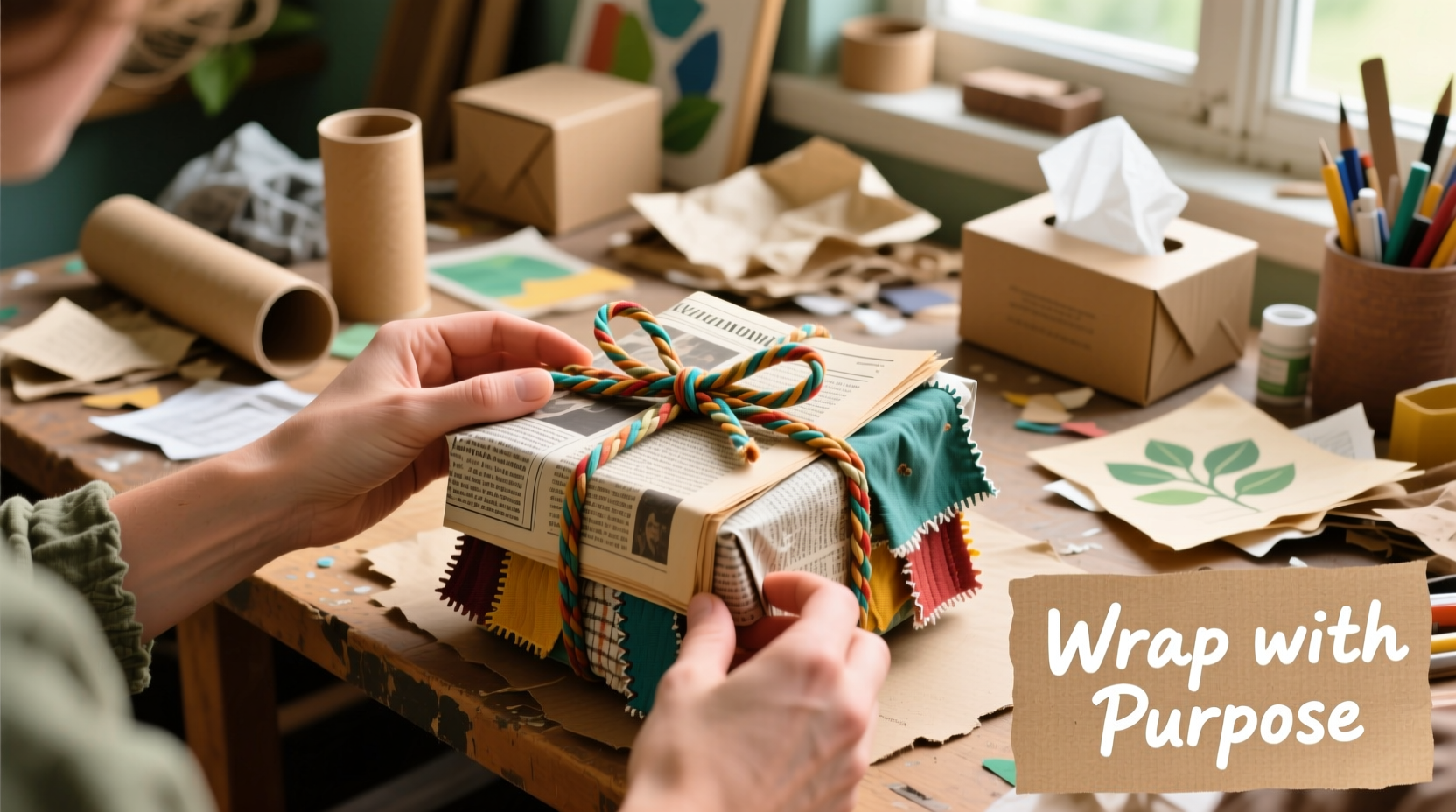
The environmental toll of conventional gift wrap is staggering. In the U.S. alone, over 4 million pounds of wrapping paper are discarded annually during the holiday season. Much of it cannot be recycled due to metallic finishes, glitter, or adhesive tapes. Beyond waste, the production of virgin paper contributes to deforestation, high water consumption, and carbon emissions.
By choosing recycled and repurposed materials, you reduce demand for new resources, lower landfill contributions, and often create more meaningful presentations. Hand-wrapped gifts using old book pages, children’s artwork, or fabric remnants carry stories of their own—adding emotional value that glossy paper cannot match.
“Sustainable gifting isn’t about perfection—it’s about intention. Every reused material tells a story of care, not just for the recipient, but for the planet.” — Dr. Lena Torres, Environmental Designer and Author of *Conscious Celebrations*
Step-by-Step Guide to Wrapping with Recycled Materials
Creating beautiful packages from recycled items doesn’t require advanced crafting skills—just attention to detail and a willingness to experiment. Follow this timeline to produce elegant, eco-friendly gifts:
- Collect materials (1–3 days before): Gather clean, flat papers and fabrics from around your home. Think: newspaper comics, brown paper bags, outdated calendars, scrap fabric, tissue paper from previous gifts, or even pages from damaged books.
- Prepare the surface: Clear a large table or floor space. Use a ruler, scissors, and non-plastic tape alternatives (like washi tape or twine) to minimize waste.
- Measure and cut: Place the gift in the center of your chosen material. Lift edges to meet at the top, allowing 2–3 inches of overlap. Cut cleanly with scissors.
- Fold neatly: Use crisp folds—especially on corners—for a polished finish. If using fabric, try the Japanese art of *furoshiki*, which uses knots instead of tape.
- Seal sustainably: Replace plastic tape with paper tape, reusable clips, or decorative twine. Knots can double as part of the design.
- Decorate thoughtfully: Embellish with natural elements like dried citrus slices, sprigs of pine, or hand-drawn illustrations using non-toxic ink.
- Deliver with pride: Explain the choice to the recipient—it may inspire them to adopt similar practices.
Creative Material Ideas and Their Best Uses
Not all recycled materials work the same way. Some are better for structure, others for decoration. Below is a comparison of common household items and how to best utilize them in gift wrapping.
| Material | Best For | Preparation Tips | Limitations |
|---|---|---|---|
| Old newspapers or magazines | Lightweight gifts, comic-themed wraps | Choose colorful sections; layer thin pages | Can tear easily; avoid heavy items |
| Brown paper bags (cut open) | Sturdy base for painting or stamping | Smooth seams with tape or glue | Plain appearance requires decoration |
| Scrap fabric or scarves | Furoshiki-style wrapping | Wash and iron first; choose square cuts | Limited stretch; knotting takes practice |
| Cereal boxes or cardboard | Gift boxes or tags | Cut into shapes; cover with paper scraps | Rigid; not suitable for flexible wrapping |
| Used gift bags or tissue paper | Reuse for small items or lining | Flatten and store flat for reuse | May have tears or stains |
| Children’s artwork or school papers | Personalized, sentimental gifts | Laminate with parchment paper if fragile | Emotionally sensitive; ask permission |
For example, a birthday gift for a literature lover could be wrapped in pages from a discarded paperback novel, secured with twine and a sprig of lavender. A baby shower present might use soft fabric from an outgrown onesie, folded furoshiki-style into a cradle knot.
Mini Case Study: The Zero-Waste Holiday Challenge
Sarah Kim, a graphic designer from Portland, committed to a zero-waste holiday season after learning that her household generated nearly 30% more trash during December. She banned all single-use wrapping and challenged herself to use only materials already in her home.
Her process began with a weekend sorting session: she flattened delivery boxes, sorted colorful mail inserts, collected fabric offcuts from sewing projects, and saved pages from expired planners. Over two weeks, she wrapped 14 gifts using different techniques—newspaper for her nephew’s toy, a vintage scarf for her sister, and handmade paper collages for colleagues.
The result? Not only did she eliminate wrapping-related waste entirely, but recipients consistently commented on the originality and warmth of the packages. One friend even framed the illustrated map used to wrap a travel journal. Sarah now hosts annual “Wrap & Swap” events where neighbors exchange leftover materials and share ideas.
Checklist: Eco-Friendly Gift Wrapping in 7 Steps
Use this checklist to ensure your gift presentation is sustainable, attractive, and thoughtful:
- ☐ Assess available recycled materials at home (paper, fabric, containers)
- ☐ Choose wrapping based on gift size and recipient’s taste
- ☐ Prepare surfaces by cleaning, ironing, or reinforcing weak areas
- ☐ Wrap using minimal adhesive—opt for knots, tucks, or paper tape
- ☐ Decorate with natural or reusable elements (pinecones, buttons, ribbons)
- ☐ Add a tag made from cardboard or repurposed cardstock
- ☐ Share the story: include a note explaining your sustainable choice
This approach ensures consistency and reduces last-minute stress. It also turns gift-giving into a mindful ritual rather than a rushed chore.
Common Pitfalls and How to Avoid Them
Even well-intentioned efforts can fall short if certain mistakes are made. Here are frequent issues and solutions when using recycled materials:
- Poor durability: Thin paper tears easily. Solution: Double-layer delicate materials or reinforce seams with hidden strips of stronger paper.
- Unappealing prints: Old bills or sensitive documents shouldn’t be used. Always check content—avoid text that could offend or confuse.
- Overcomplication: Too many textures or colors can look chaotic. Stick to a cohesive theme—e.g., all blue-toned papers or nature-inspired accents.
- Adhesive residue: Removing old tape leaves marks. Prevent this by storing flat materials under weights and avoiding sticky notes during prep.
- Size mismatch: Small scraps don’t cover large boxes. Instead of forcing coverage, use patchwork designs or transform boxes into decorative storage.
“Imperfections in handmade wrapping aren’t flaws—they’re signatures of authenticity.” — Miguel Santos, Sustainable Artist and Workshop Leader
FAQ: Your Questions Answered
Can I recycle wrapping made from mixed materials?
Generally, no. Mixed materials like paper glued to fabric or plastic-coated labels complicate recycling. Aim for single-material wraps. Fabric, plain paper, and cardboard can usually be separated and recycled individually.
What if the recipient expects traditional wrapping?
Many people appreciate the effort behind sustainable choices once they understand the intent. Include a small tag that says, “Wrapped with care—and recycled love,” to frame the gesture positively. Over time, your approach may influence others.
Are there cultural considerations when reusing materials?
Yes. In some cultures, presentation is deeply symbolic. When in doubt, prioritize respect—avoid using materials with religious text, offensive imagery, or worn-out appearances for formal occasions. Opt for neutral, clean, and well-prepared items.
Conclusion: Wrap with Purpose, Give with Heart
Choosing to wrap presents with recycled materials isn’t a compromise—it’s an upgrade. It combines environmental stewardship with creative expression, turning a routine task into an act of meaning. Every fold of an old map, every knot in a reclaimed ribbon, carries intention. You’re not just concealing a gift; you’re revealing values.
The shift starts small: one gift, one material, one conversation. But its ripple effect can inspire change far beyond the holiday season. Friends may ask where you bought such unique paper—only to learn it was yesterday’s grocery bag. Children may grow up seeing creativity as inseparable from conservation.




 浙公网安备
33010002000092号
浙公网安备
33010002000092号 浙B2-20120091-4
Comments
No comments yet. Why don't you start the discussion?