
Leaving a job is rarely simple. Emotions run high, timelines are tight, and professional reputations hang in the balance. The way you exit an organization can influence future references, networking opportunities, and even rehiring potential. A well-crafted resignation letter isn’t just a formality—it’s a strategic communication tool that demonstrates maturity, gratitude, and professionalism. Done right, it ensures that your departure strengthens rather than severs relationships.
Despite common fears, resigning doesn’t have to mean burning bridges. In fact, with thoughtful wording and emotional intelligence, your final act as an employee can leave a lasting positive impression. Whether you’re moving to a new role, stepping away from the workforce temporarily, or changing career paths, this guide provides actionable strategies to craft a resignation letter that honors your contributions and respects the people you're leaving behind.
Why Your Resignation Letter Matters More Than You Think
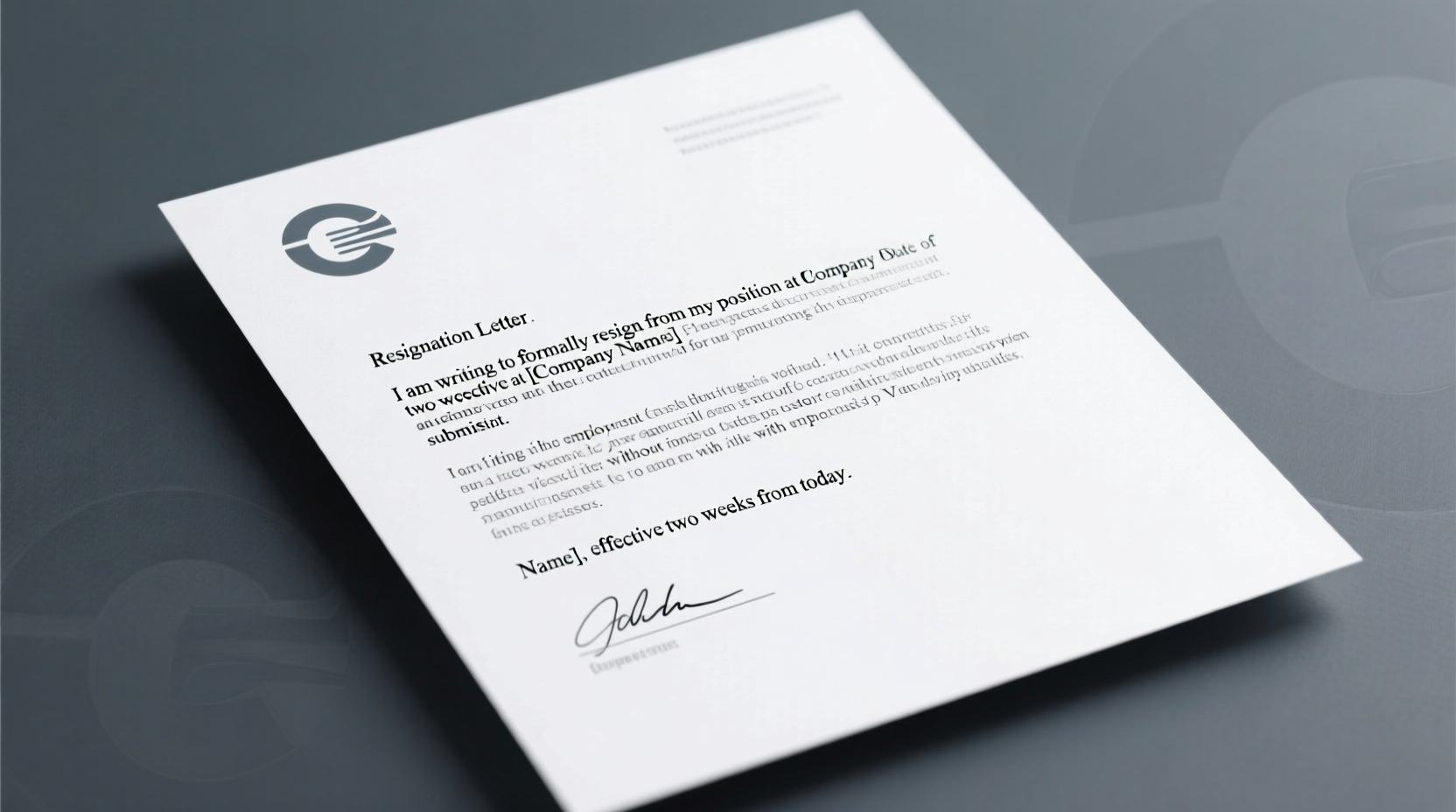
The resignation letter is often seen as a bureaucratic necessity—something HR files away and forgets. But in reality, it becomes part of your employment record and may be referenced by future employers during background checks. It also sets the tone for your last days at work and influences how colleagues and managers perceive your character under pressure.
A poorly written resignation can come across as abrupt, bitter, or ungrateful, especially if it includes criticism or passive-aggressive language. On the other hand, a polished, respectful letter reinforces your reputation as someone who handles transitions with integrity. This matters because industries are smaller than they appear. Former coworkers become hiring managers elsewhere. Recruiters talk. Impressions stick.
“Your reputation is one of your most valuable assets. How you leave a job speaks volumes about your professionalism.” — Laura Thompson, Executive Career Coach
Key Elements of a Bridge-Preserving Resignation Letter
An effective resignation letter balances clarity, gratitude, and neutrality. It should communicate your intent to leave without over-explaining your reasons or inviting debate. Below are the essential components every strong resignation letter includes:
- Clear Statement of Intent: Begin by explicitly stating that you are resigning and include your last working day.
- Expression of Gratitude: Acknowledge the opportunities you’ve had and thank key individuals or teams.
- Offer of Support During Transition: Show willingness to assist with handovers, training, or documentation.
- Professional Tone Throughout: Avoid negative comments, comparisons to a new employer, or personal grievances.
- Contact Information: Include your personal email or phone number for post-employment follow-up (optional but helpful).
Step-by-Step Guide to Writing the Letter
Follow this structured approach to ensure your resignation letter is both professional and relationship-preserving:
- Draft Privately First: Write your initial version when you’re calm and focused, not immediately after frustration or excitement about a new role.
- Start with a Formal Header: Include your name, address, contact information, date, and the recipient’s details (manager’s name, title, company address).
- Open with a Direct Statement: Example: “Please accept this letter as formal notification of my resignation from my position as Marketing Manager at BrightWave Inc., effective two weeks from today, Friday, June 28, 2024.”
- Express Appreciation Sincerely: Mention specific experiences, skills gained, or support received. Avoid generic praise like “great company” unless backed by detail.
- Reaffirm Commitment to Smooth Transition: Offer concrete help: “I am committed to ensuring a smooth handover and am happy to train a colleague or document ongoing projects.”
- Close Professionally: Use a standard closing such as “Sincerely” followed by your full name and signature (if submitting a printed copy).
- Review Before Sending: Check grammar, tone, and accuracy. Read it aloud to catch unintended implications.
What to Avoid: Common Pitfalls That Burn Bridges
Even with good intentions, certain phrases and omissions can undermine your message. These mistakes may seem minor but can linger in memory long after you’ve left.
| Do’s | Don’ts |
|---|---|
| “I’ve appreciated the opportunity to lead the product launch team.” | “I’m finally escaping this toxic environment.” |
| “Thank you for your mentorship over the past three years.” | “No one here ever gave me real feedback.” |
| “I will complete all pending deliverables before my departure.” | “I won’t be doing any extra work during my notice period.” |
| “I’d welcome the chance to stay in touch.” | “Good luck finding someone who actually cares.” |
| “I’m excited for the next chapter while grateful for this one.” | “My new job pays twice as much and has better leadership.” |
Remember, your resignation letter is not the place to air grievances, justify your decision extensively, or compare employers. Save those conversations—if needed—for private exit interviews or candid talks with trusted mentors.
Real Example: Turning a Tough Exit into a Positive Closure
Sophia worked as a senior designer at a mid-sized tech firm for four years. Though she felt undervalued and was passed over for promotion twice, she decided to leave for a role that aligned better with her creative goals. Instead of venting frustrations in her resignation letter, she took a different path.
Her letter read in part: “I want to express my sincere appreciation for the collaborative culture at Nexa Systems and the trust you placed in me to lead major design initiatives. While I’m pursuing a new opportunity that allows me to focus on user-centered innovation, I’m proud of what we’ve built together. I’m committed to supporting the transition over the next two weeks and am available to train team members or finalize documentation.”
The response? Her manager thanked her for her grace and later served as a reference when she applied for a leadership program. Six months later, they collaborated on a freelance project. By choosing dignity over drama, Sophia preserved a connection that turned into future opportunity.
Checklist: Preparing and Submitting Your Resignation Letter
Before hitting send or handing over your letter, go through this checklist to ensure everything is handled professionally:
- ☑️ Confirmed last working day aligns with notice period in contract
- ☑️ Addressed to direct manager and copied HR only if required
- ☑️ Stated resignation clearly with effective date
- ☑️ Included genuine expressions of thanks
- ☑️ Avoided criticism, sarcasm, or emotional language
- ☑️ Offered assistance with transition tasks
- ☑️ Proofread for spelling, grammar, and tone
- ☑️ Saved a copy for personal records
- ☑️ Delivered in person or via email with a neutral subject line (e.g., “Resignation – Sophia Reyes, Effective June 28”)
FAQ: Common Questions About Resignation Letters
Should I explain why I’m leaving?
Generally, no. A brief mention like “pursuing a new professional direction” is sufficient. Detailed reasons belong in a private conversation with your manager, not in writing. Explaining too much can open the door to negotiation or conflict, which may complicate your exit.
Can I retract my resignation after sending it?
Legally, yes—unless your employer has already accepted it and begun acting on it (e.g., hiring a replacement). However, retracting a resignation can create awkwardness and may affect trust. Only submit your letter once you’re certain about leaving.
Is it okay to resign during a busy period?
If possible, avoid timing your resignation during critical deadlines or peak seasons. But if you must leave during a busy time, emphasize your commitment to a smooth transition. Offer to prioritize handover tasks and remain responsive even after your departure, within reasonable limits.
Going Beyond the Letter: Maintaining Relationships After You Leave
Your resignation letter is just the beginning of how you manage your professional departure. Consider these additional steps to reinforce goodwill:
- Have a Respectful Exit Conversation: When you inform your manager verbally, keep the tone appreciative and forward-looking.
- Update Your LinkedIn Promptly: Add your new role and write a positive post thanking your former team—this public gesture strengthens connections.
- Send Personal Notes: A short email or message to close colleagues expressing gratitude goes a long way.
- Stay Engaged Occasionally: Comment on their posts, congratulate promotions, or share relevant articles to keep the relationship warm.
One marketing executive shared that she sends former colleagues a quarterly newsletter highlighting industry insights. Over time, several were referred to high-impact roles through those very contacts. Exit well, and your network grows stronger.
Conclusion: Leave With Dignity, Open Doors for Tomorrow
Resigning from a job is a milestone—not just an end, but a transition. How you handle it shapes how others remember you. A thoughtful resignation letter doesn’t hide your departure; it frames it with respect, clarity, and humility. It acknowledges growth, expresses gratitude, and leaves room for future collaboration.
You never know when paths will cross again. The manager who seemed indifferent today might lead your dream company tomorrow. The colleague you trained could become a client, investor, or advocate. By writing a resignation letter that keeps bridges intact, you protect your reputation, nurture your network, and demonstrate the kind of leadership that transcends titles.




 浙公网安备
33010002000092号
浙公网安备
33010002000092号 浙B2-20120091-4
Comments
No comments yet. Why don't you start the discussion?