
Saying “thank you” is more than a social obligation—it’s an opportunity to deepen relationships, express genuine appreciation, and leave a lasting impression. Yet too often, thank you notes fall into the trap of sounding robotic: “Dear [Name], Thank you for the gift. It was so thoughtful. I really appreciate it.” While polite, such messages lack warmth and specificity. They don’t reflect the unique connection between giver and receiver.
The difference between a forgettable note and one that resonates lies in personalization. A truly meaningful thank you note doesn’t just acknowledge a gesture; it reflects on its impact, recalls shared moments, and speaks directly to the recipient’s character. When done well, it becomes a small but powerful act of emotional intelligence.
This guide breaks down how to craft thank you notes that feel authentic—whether for a job interview, a wedding gift, mentorship, or everyday kindness. You’ll learn structure, tone, and subtle techniques that transform routine gratitude into something memorable.
Why Generic Thank Yous Fall Flat
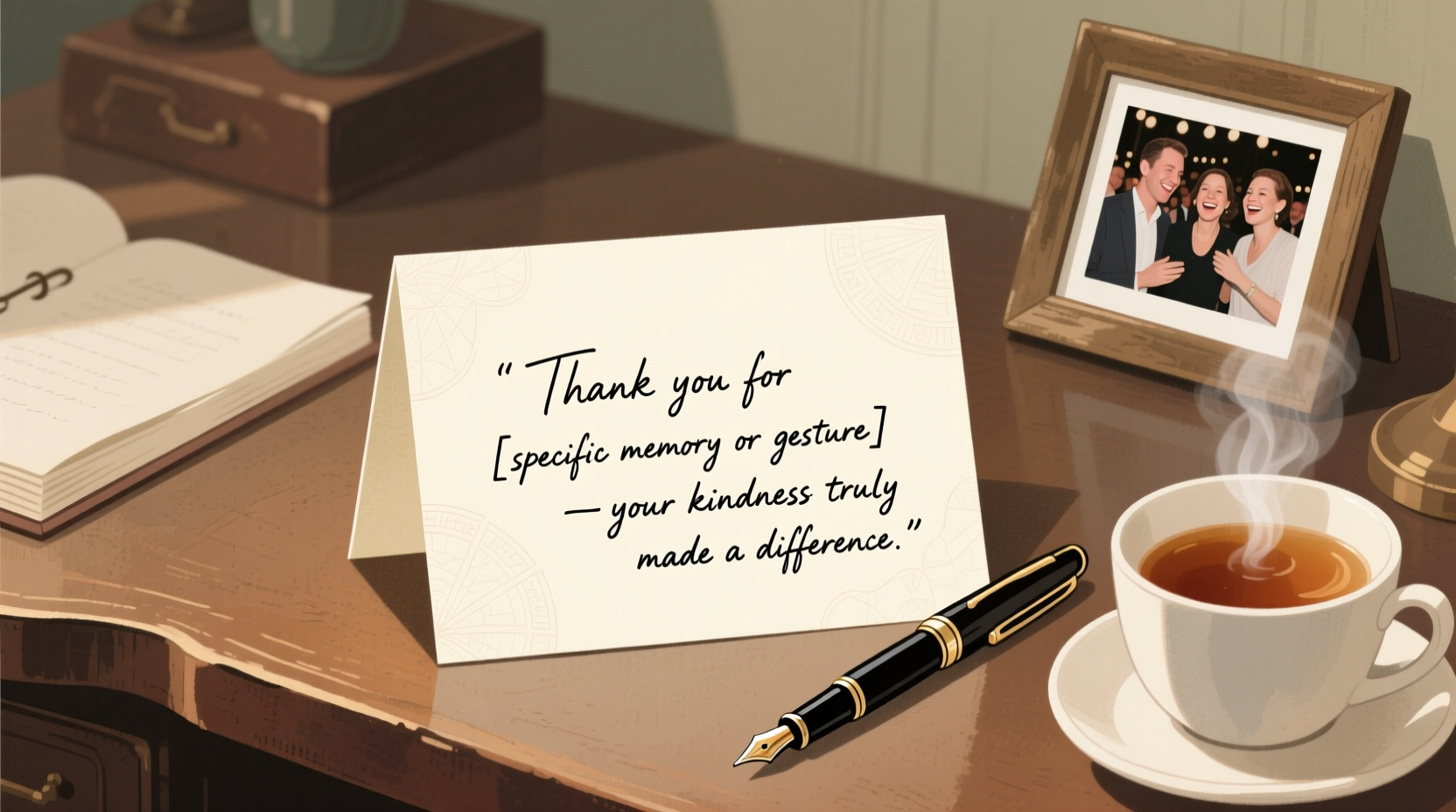
Generic thank you messages follow a predictable script. They use vague language, repeat common phrases, and avoid specifics. While they fulfill the basic requirement of politeness, they miss the deeper purpose of gratitude: connection.
Consider two versions of a thank you note after a job interview:
- Generic: “Thank you for taking the time to meet with me. I appreciate the opportunity and look forward to hearing from you.”
- Personal: “I especially enjoyed our conversation about remote team collaboration—I’ve used similar tools at my current role, and your approach gave me new ideas for improving cross-timezone workflows.”
The second version shows engagement, recall, and thoughtfulness. It proves the candidate was listening and processing, not just performing.
“Gratitude is meaningless without specificity. The details are where sincerity lives.” — Dr. Laura Huang, Harvard Business School professor and author of *Edge: Turning Adversity into Advantage*
Step-by-Step Guide to Writing a Personal Thank You Note
Writing a heartfelt note doesn’t require poetic flair—just intentionality. Follow this six-step process to ensure your message stands out.
- Wait, but not too long. Send your note within 24–48 hours of the event or gesture. Timeliness signals attentiveness.
- Recall a specific moment. Think back to a detail only you and the recipient would remember: a comment they made, a story they shared, or how their gift made you feel.
- Name the gift or action clearly. Don’t say “the gift”—say “the vintage coffee mug with the mountain design” or “your feedback on my presentation draft.”
- Explain its impact. Did it save you time? Make you laugh during a hard week? Inspire a new idea? Connect the gesture to a real effect.
- Reflect their values or personality. If someone gave you a book, mention why you think they chose it—perhaps it aligns with a conversation you had about resilience.
- Close with warmth, not formality. Avoid “Sincerely” when “Warmly” or “With gratitude” fits better. Match your tone to your relationship.
Do’s and Don’ts: What to Include (and Avoid)
Even with good intentions, certain habits dilute the power of a thank you note. Use this table as a reference to refine your approach.
| Do | Don’t |
|---|---|
| Mention how you plan to use a gift (“I’ve already used the cookbook for Sunday brunch!”) | Say “I’ll use this often” without explaining how or why |
| Reference a shared experience (“That story you told about your first startup still makes me smile”) | Use clichés like “It was so kind of you” without elaboration |
| Tie the gesture to the person’s character (“This reflects your generosity—and your sense of humor!”) | Make it about you instead of the giver (“Now I can finally get organized”) |
| Handwrite when possible (especially for gifts or milestones) | Rely solely on email for major life events (weddings, condolences) |
| Proofread for tone and clarity | Overuse exclamation points!!! or overly formal language |
A Real Example: From Generic to Meaningful
Meet Maya, who attended her colleague Sam’s farewell party. She received a small succulent plant as a parting gift. Here’s how her thank you note evolved:
First Draft (Generic):
Hi Sam,
Thanks for the plant. It was nice seeing you at the party. I’ll miss working together. Hope you enjoy your new role!
Best,
Maya
Revised (Personal):
Hi Sam,
I loved catching up at your farewell party—especially hearing about your plans to hike the Pacific Crest Trail. The little succulent you gave me is now on my desk, and every time I see it, I’ll think of your calm presence in the office. You always brought balance to high-pressure days, and I’m so grateful for your mentorship over the past three years. Wishing you adventure and peace on this next chapter.
Warmly,
Maya
The revised note works because it connects the gift (succulent = low-maintenance, enduring) to Sam’s personality (calm, grounding). It references a future goal (hiking), acknowledges professional impact, and uses warm, natural language.
Checklist: Crafting Your Own Personal Note
Before sending your thank you message, run through this checklist to ensure it feels authentic and impactful:
- ✅ Did I mention the exact gift, advice, or action?
- ✅ Did I include a specific memory or detail from our interaction?
- ✅ Did I explain how it affected me or helped me?
- ✅ Did I reflect something unique about the person (their taste, values, humor)?
- ✅ Is the tone consistent with our relationship (formal, friendly, playful)?
- ✅ Did I avoid filler phrases like “Thanks again” or “It was so thoughtful” without context?
- ✅ Did I sign off warmly and appropriately?
When and How to Personalize Different Types of Notes
Not all thank you notes serve the same purpose. Tailor your approach based on context:
- Job interviews: Reference a discussion point, show how their insight influenced your thinking, and reaffirm enthusiasm for the role.
- Wedding gifts: Describe how you’ll use the item (“We used the blender for our first smoothie last weekend!”) or share what the guest means to you.
- Mentorship or advice: Highlight how their guidance changed your perspective or led to action.
- Everyday kindness: Even small gestures deserve recognition. A handwritten sticky note saying, “Your encouragement before my presentation gave me the boost I needed,” can mean more than a formal letter.
For professional settings, email is acceptable—but handwriting adds emotional weight for personal milestones. If you're sending multiple notes (e.g., wedding thank yous), resist the urge to copy-paste. Customize each one, even if only by a sentence.
“People will forget what you said, but they will never forget how you made them feel.” — Maya Angelou
A personalized thank you note isn’t about perfection. It’s about making someone feel seen.
Frequently Asked Questions
How long should a personal thank you note be?
Ideal length is 3–5 concise paragraphs. Focus on quality over quantity. A short, specific note is better than a long, rambling one. Aim for 100–200 words.
Is it okay to send a thank you text or DM?
For casual favors or quick support, yes. But for significant gifts, job interviews, or emotional support, choose a more deliberate format—email with a personal tone, or preferably, a handwritten card. Medium matters when meaning matters.
What if I don’t remember specific details?
Focus on emotion. Instead of recalling a precise quote, say: “I left our conversation feeling energized and more confident about my next steps.” Authenticity compensates for imperfect memory.
Conclusion: Turn Gratitude Into Connection
A thank you note shouldn’t be a box to check. It’s a chance to strengthen bonds, honor someone’s effort, and practice mindful communication. The most memorable notes aren’t the most eloquent—they’re the ones that say, “I noticed. I care. You mattered.”
Next time you reach for a pen or open your inbox to say thanks, pause. Ask yourself: What exactly did I appreciate? What detail stood out? How did this gesture change my day, my thinking, or my feelings? Answer honestly, and let that guide your words.
Gratitude, when personalized, becomes a quiet act of courage—one that says, “I see you,” in a world that often rushes past.




 浙公网安备
33010002000092号
浙公网安备
33010002000092号 浙B2-20120091-4
Comments
No comments yet. Why don't you start the discussion?