
A wedding is more than an event—it’s a milestone of love, commitment, and shared futures. While flowers, gifts, and attendance are meaningful, one of the most personal gestures you can offer is a handwritten message in a wedding card. Yet many people struggle with what to say, often defaulting to generic phrases like “Congratulations!” or “Wishing you happiness.” A truly memorable message goes beyond clichés. It reflects sincerity, warmth, and a genuine connection to the couple. With the right approach, your words can become a keepsake they return to for years.
Why Your Wedding Card Message Matters
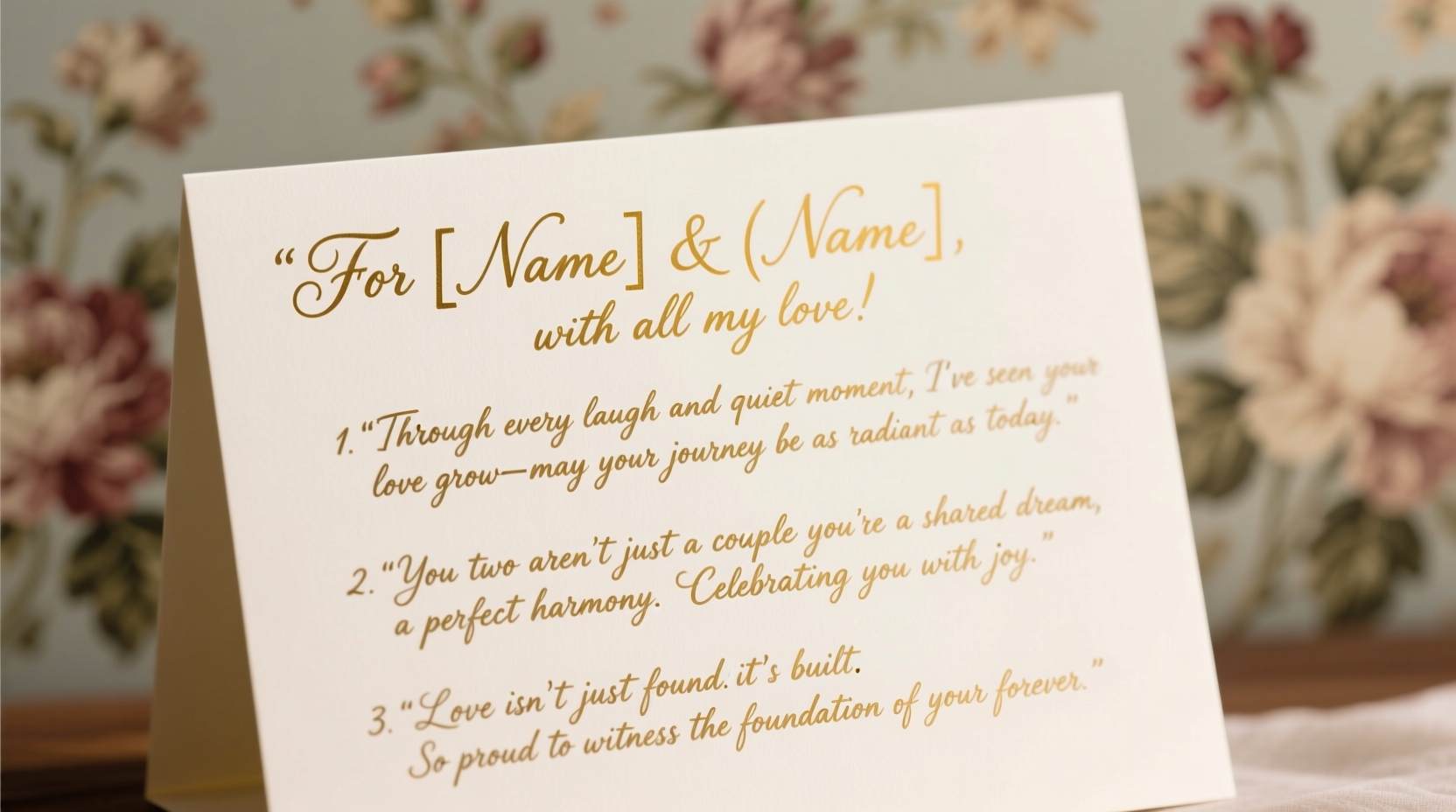
In the whirlwind of wedding festivities, guests often underestimate the lasting impact of a heartfelt note. Unlike speeches or gifts, a card is private, intimate, and re-readable. Many couples save their wedding cards, revisiting them on anniversaries or during tough times as reminders of the love and support surrounding them.
Research in positive psychology shows that personalized messages enhance emotional well-being. When a couple reads a message that acknowledges their journey, values, or unique bond, it reinforces their sense of being seen and celebrated—not just as a pair, but as individuals choosing each other every day.
“People forget names, dates, and even events. But they remember how you made them feel. A sincere message lingers long after the cake is gone.” — Dr. Rebecca Langston, Relationship Communication Specialist
Step-by-Step Guide to Writing a Meaningful Message
Writing from the heart doesn’t have to be daunting. Follow this structured approach to craft a message that feels authentic and resonant.
- Reflect on your relationship with the couple. Are you a close friend, family member, coworker? Your tone should match your level of intimacy.
- Recall a specific memory or quality. Mention how you saw them interact, a moment that showed their bond, or a trait you admire in one or both partners.
- Focus on their union, not just individual traits. Highlight how they complement each other or grow together.
- Keep it concise but rich in meaning. Aim for 3–5 sentences. Clarity and sincerity trump length.
- Close with warm wishes. Offer hope for their future, not just generic well-wishes.
Tips for Different Relationships: Tailoring Your Tone
The depth and tone of your message should reflect your connection. Here’s how to adjust based on your role:
| Relationship | Tone & Focus | Example Opening Line |
|---|---|---|
| Close Friend | Warm, personal, possibly humorous | “I still remember the night you told me you’d met ‘the one’—and now here you are, married and radiant.” |
| Family Member | Emotional, reflective, proud | “Watching you grow into the person who found such deep love fills me with joy.” |
| Colleague or Acquaintance | Respectful, kind, brief | “It was wonderful celebrating your special day—your joy was contagious.” |
| Parent or Parent-in-law | Deeply sentimental, full of pride | “From the moment I met [Partner], I knew my child had found someone who truly sees them.” |
What to Avoid: Common Pitfalls
Even with good intentions, certain missteps can dilute your message or make it feel impersonal.
- Overusing clichés: Phrases like “love at first sight” or “meant to be” are overused and lack originality.
- Bringing up past relationships: Even if meant humorously, comments about exes or “finally settling down” can land poorly.
- Making it about you: Keep the focus on the couple, not your own marriage or dating life.
- Being too casual or informal: Avoid slang, inside jokes without context, or overly casual language unless you’re very close.
- Forgetting names: Always double-check spelling. Misnaming someone undermines sincerity.
Real Example: From Generic to Heartfelt
Consider Sarah and James, a couple married last summer. A guest initially wrote: “Congrats on your wedding! Wishing you happiness and love.” It was polite—but forgettable.
After reflection, she revised it:
“Sarah, I’ll never forget how James smiled at you during your vows—the way he looked at you said everything. You’ve both built something rare: a partnership rooted in kindness and laughter. As you begin this chapter, know how deeply you’re loved by those around you. Wishing you endless adventures and quiet moments of joy.”
This version stands out because it references a real moment, highlights emotional depth, and expresses communal support. It transformed a routine note into a cherished keepsake.
Thoughtful Message Examples by Category
Use these as inspiration—then personalize them further with your own voice and memories.
For Longtime Friends
“Seeing you two together feels like watching a story unfold exactly as it should. Your love isn’t loud or flashy—it’s steady, deep, and true. I’m so grateful to witness this day and celebrate the beautiful life you’re building together.”
For a Sibling or Close Relative
“Growing up, I never doubted you’d find someone who matches your spirit. [Partner] doesn’t just love you—they understand you. That’s the greatest gift. I’m so proud of the family you’re creating.”
For a Coworker or Casual Friend
“It was a joy to share in your celebration today. The way you look at each other says everything about the love and respect you share. Wishing you a lifetime of happiness and partnership.”
Humorous but Heartfelt (for close friends)
“I never thought I’d see you willingly commit to anything before 10 a.m., but here we are—and honestly, it’s perfect. You bring out the best in each other, and that’s no joke. Cheers to late breakfasts, shared playlists, and a love that only gets stronger.”
Frequently Asked Questions
How long should a wedding card message be?
Ideal length is 3–6 sentences. Enough to express sincerity, but short enough to remain impactful. Quality matters more than quantity.
Should I sign with my full name if I’m not well-known to the couple?
Yes. Especially at large weddings, include your full name and how you know them (e.g., “Alex Rivera – Sarah’s college roommate”). This helps them remember and appreciate your presence.
Is it okay to include advice?
Only if it’s gentle and uplifting. Avoid prescriptive statements like “Always compromise” or “Never go to bed angry.” Instead, frame it positively: “May you always find your way back to each other, even on hard days.”
Final Checklist Before You Write
Before sealing your card, run through this quick checklist to ensure your message hits the mark:
- ✅ Mention both names
- ✅ Include a specific detail or memory
- ✅ Reflect their personalities or relationship dynamic
- ✅ Use warm, positive language
- ✅ Avoid humor that could be misunderstood
- ✅ Proofread for spelling and clarity
- ✅ Sign clearly with your name
Conclusion: Let Your Words Be a Gift
A wedding card is more than paper and ink—it’s a vessel for emotion, memory, and hope. In an age of digital speed, a handwritten note carries unmatched weight. It says, “You mattered enough for me to pause, reflect, and speak from the heart.”
Don’t let the fear of saying the wrong thing keep you from saying something meaningful. Start simple. Speak honestly. Share what you genuinely admire. Whether you’ve known the couple for decades or just met them, your words can affirm their love and strengthen their beginning.




 浙公网安备
33010002000092号
浙公网安备
33010002000092号 浙B2-20120091-4
Comments
No comments yet. Why don't you start the discussion?