
For those navigating the bold world of Chinese-inspired regional cuisines, particularly within Indian-Chinese or American-Chinese culinary contexts, the terms “Hunan” and “Schezwan” often appear on menus as shorthand for heat and intensity. Yet despite their shared reputation for spiciness, these two styles stem from distinct culinary traditions, employ different ingredient combinations, and deliver unique sensory experiences. Confusing them can lead to mismatched expectations—especially when preparing meals at home or selecting dishes based on preferred heat tolerance and flavor depth. Understanding the true differences between Hunan and Schezwan is essential not just for authenticity, but for mastering balance in spicy cooking.
The confusion arises partly because neither “Hunan” nor “Schezwan” is used consistently across global kitchens. In China, Hunan (Xiang) cuisine is one of the Eight Great Cuisines, celebrated for its pungent, oily, and fiery character rooted in centuries-old techniques. Meanwhile, “Schezwan” is a phonetic adaptation of Sichuan (or Szechuan), another major Chinese culinary tradition known for its tingly mala sensation. Outside China, especially in India and North America, Schezwan has evolved into a hybrid style—often hotter and more aggressive than its original form, incorporating local tastes and ingredients like green chilies, garlic, and soy-based sauces. This divergence makes it critical to distinguish not only the origins but also the practical applications of each style in modern cooking.
Definition & Overview
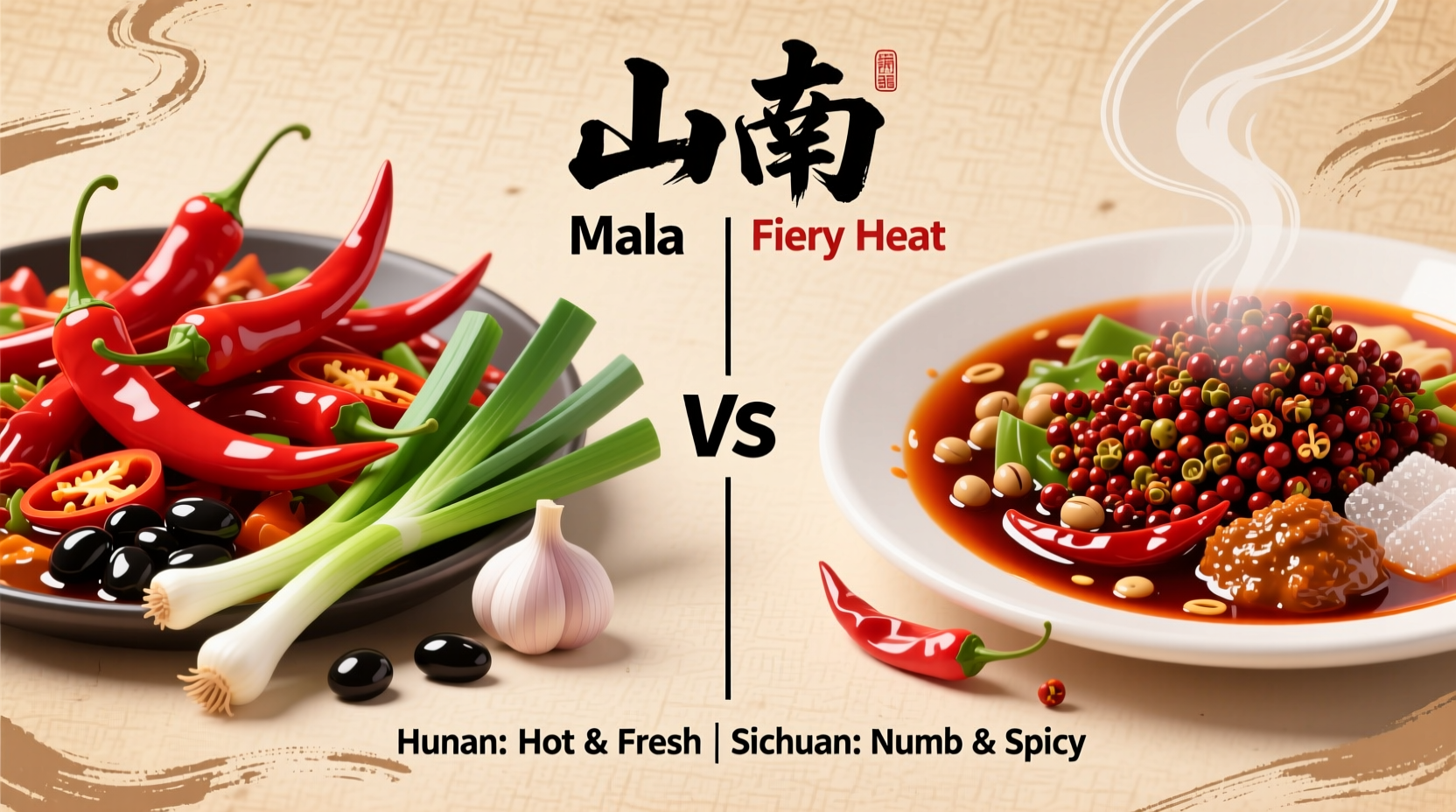
Hunan cuisine, originating from the Xiang River region in south-central China, emphasizes fresh, locally available ingredients with an unapologetic focus on direct heat. It relies heavily on dried red chilies, fermented black beans, shallots, garlic, and cured meats. Unlike other Chinese styles that prioritize balance through sweetness or sourness, Hunan food embraces sharp, upfront spiciness without numbing agents. Dishes are typically stir-fried quickly over high heat, preserving texture and amplifying aroma. The result is robust, savory, and intensely hot—flavorful without being overly complex.
Schezwan (Sichuan) cuisine, hailing from China’s southwestern Sichuan province, is globally renowned for its signature mala profile—ma meaning \"numbing\" from Sichuan peppercorns, and la meaning \"spicy\" from chili peppers. While both cuisines use dried red chilies extensively, Schezwan uniquely integrates Sichuan peppercorns, creating a tingling, almost electric sensation on the tongue. Traditional Sichuan cooking layers flavors meticulously, using doubanjiang (fermented broad bean paste), pickled vegetables, ginger, and aromatic spices. However, in non-Chinese contexts—particularly Indian-Chinese restaurants—\"Schezwan sauce\" has become synonymous with a garlicky, chili-heavy condiment made with green or red chilies, vinegar, soy sauce, and sometimes ketchup or sugar, bearing little resemblance to authentic Sichuan preparations.
Key Characteristics
| Characteristic | Hunan Cuisine | Schezwan (Sichuan-Inspired) Cuisine |
|---|---|---|
| Primary Heat Source | Dried red chilies, fresh red chilies | Dried red chilies, Sichuan peppercorns (mala) |
| Flavor Profile | Hot, salty, smoky, slightly sour; no numbing effect | Spicy, numbing, umami-rich, often sweet-sour in fusion versions |
| Aroma | Pungent, roasted chili, garlic-forward | Earthy, floral (from Sichuan pepper), fermented depth |
| Color | Deep red, glossy oil sheen | Bright red or orange-red; may include visible peppercorns |
| Heat Level (Scoville Approx.) | 8,000–30,000 SHU (depending on chili type) | 6,000–40,000 SHU (with added numbing sensation enhancing perceived heat) |
| Culinary Function | Adds intense, linear heat and depth to proteins and vegetables | Creates layered heat with tactile complexity; enhances mouthfeel |
| Shelf Life (as sauce/paste) | 6–12 months refrigerated | 6–9 months refrigerated; degrades faster if fresh herbs included |
Practical Usage: How to Use Each Style in Cooking
In professional kitchens and home cooking alike, choosing between Hunan and Schezwan comes down to desired outcome: do you want pure, unrelenting heat, or a multidimensional experience where spice dances with numbness and umami?
Using Hunan Techniques and Flavors
Hunan-style cooking excels in quick-cooked stir-fries where speed locks in flavor and crunch. A classic example is Hunan Beef—thinly sliced flank steak seared over high heat with dried red chilies, garlic, scallions, and a splash of Shaoxing wine. The dish relies on toasted chili oil and minimal sauce to keep textures crisp. For best results:
- Use whole dried Er Jing Tiao or Chao Tian chilies for authentic heat and smokiness.
- Toast chilies lightly in oil before adding aromatics to extract flavor without bitterness.
- Balance saltiness with fermented black beans or light soy sauce—never add sugar unless counterbalancing extreme heat.
- Pair with sturdy vegetables like bok choy, green beans, or bamboo shoots that hold up under high heat.
Pro Tip: To replicate restaurant-style Hunan heat at home, combine crushed dried chilies with chili crisp or Lao Gan Ma. This adds texture and sustained burn while maintaining clarity of flavor.
Using Schezwan Techniques and Flavors
Authentic Sichuan cooking builds complexity gradually. Start by blooming Sichuan peppercorns and dried chilies in cold oil, slowly bringing it to medium heat—a technique called liao xiang (\"infusing fragrance\"). Then layer in doubanjiang, ginger, and garlic. The goal is a harmonious base for dishes like Mala Tang (spicy hot pot) or Kung Pao Chicken. In contrast, Indian-Chinese Schezwan sauce skips subtlety for punch:
- Fry minced garlic and green chilies in oil until golden.
- Add tomato purée or ketchup, soy sauce, vinegar, and sugar to create a sticky, tangy-spicy glaze.
- Toss with pre-fried paneer, chicken, or veggies for Schezwan fried rice or noodles.
- Some versions include bell peppers and onions for bulk and color.
This fusion version lacks traditional Sichuan fermentation but delivers crowd-pleasing heat ideal for takeout-style meals.
Home Hack: For a more authentic Schezwan base, toast 1 tsp Sichuan peppercorns, grind finely, and mix with store-bought chili sauce. Add ½ tsp fermented broad bean paste (doubanjiang) for depth.
Variants & Types
Both Hunan and Schezwan exist in multiple forms depending on region and application. Recognizing these variants ensures proper usage.
Hunan Variants
- Traditional Hunan (Xiang Style): Features smoked pork, steamed fish with chilies, and dishes like Zuo Zongtang Chicken. Uses minimal sugar, focuses on dry heat and fermentation.
- Hunan Sauce (Western/Indian Adaptation): Often bottled, combining chili oil, soy, garlic, and vinegar. Less nuanced than traditional versions but convenient for quick meals.
- Hunan Dry Pot: A casserole-style dish cooked tableside with meat, mushrooms, and tubers simmered in a heavy chili-laden broth.
Schezwan Variants
- Authentic Sichuan (Mandarin: Chuān Cài): Centered around mala, using Sichuan peppercorns and doubanjiang. Signature dishes include Mapo Tofu and Dan Dan Noodles.
- Indian-Chinese Schezwan: Developed in Mumbai and Kolkata, this version uses green chilies, garlic, and commercial sauces. Common in Schezwan fried rice, noodles, and manchurian dishes.
- Schezwan Mayo / Creamy Schezwan: Fusion condiment blending mayonnaise with Schezwan sauce for dipping or sandwich spreads. Popular in street food wraps.
- Schezwan Paste (Homemade): A blend of sautéed green/red chilies, garlic, ginger, soy, vinegar, and sugar. Can be frozen in portions for future use.
| Variant | Best Used In | Avoid If... |
|---|---|---|
| Traditional Hunan | Stir-fries, steamed proteins, dry pots | You're sensitive to straight heat or prefer subtle seasoning |
| Hunan Sauce (Bottled) | Quick marinades, noodle tosses, dipping sauces | Seeking authentic fermentation notes |
| Authentic Sichuan | Slow-simmered stews, hot pots, braises | Allergic to Sichuan peppercorns or dislike numbing sensations |
| Indian-Chinese Schezwan | Fried rice, hakka noodles, paneer dishes | Looking for low-garlic or mild options |
| Creamy Schezwan | Wraps, burgers, appetizer dips | Serving to those avoiding fats or dairy substitutes |
Comparison with Similar Ingredients
While Hunan and Schezwan dominate spicy Chinese-inspired menus, they are frequently mistaken for other hot styles such as Cantonese black bean, Mongolian, or General Tso’s. Clarifying distinctions prevents culinary missteps.
- Schezwan vs. Hunan: Both are spicy, but Schezwan includes numbing Sichuan peppercorns; Hunan does not. Hunan tends to be drier and smokier, while Schezwan (especially fusion) is saucier and sweeter.
- Hunan vs. Thai Chili Heat: Thai heat comes from fresh bird’s eye chilies and balances with lime, fish sauce, and herbs. Hunan heat is oil-based, salt-forward, and lacks herbal brightness.
- Schezwan vs. Korean Gochujang: Gochujang offers fermented sweetness and moderate heat, lacking the numbing quality of Schezwan. It’s thicker and better suited for glazes than stir-fries.
- General Tso vs. Hunan Chicken: General Tso’s is sweet, crispy, and mildly spicy—deep-fried and sauced. Hunan Chicken is leaner, stir-fried, and aggressively hot with visible chilies.
\"The difference between Hunan and Schezwan isn't just about heat—it's about sensation. Hunan hits you fast and stays hot. Schezwan plays tricks on your mouth. You feel it, then you don’t, then it comes back. That’s the magic of mala.\" — Chef Mei Ling, Former Culinary Director, Red Lantern Group
Practical Tips & FAQs
How do I control the spiciness in Hunan and Schezwan dishes?
Adjust heat by modifying chili quantity and preparation. Remove seeds and membranes from fresh chilies to reduce capsaicin load. For Hunan dishes, start with half the recommended dried chilies and increase next time. In Schezwan sauce, reduce chili count and boost garlic or vinegar for flavor without fire. Adding a spoon of yogurt (in fusion dishes) or coconut milk can tame excessive heat post-cooking.
Can I substitute one for the other?
Only partially. Replacing Schezwan with Hunan means losing the numbing element—critical to the intended experience. Substituting Schezwan sauce into a Hunan recipe introduces sweetness and viscosity that alter texture. If substituting:
- For Hunan → Use plain chili oil + extra garlic.
- For Schezwan → Mix chili paste with ground Sichuan peppercorns (¼ tsp per serving).
Are Schezwan peppercorns the same as black peppercorns?
No. Sichuan peppercorns come from the prickly ash tree (Zanthoxylum species) and produce a tingling, citrusy-numbing effect. Black peppercorns (Piper nigrum) offer sharp, linear heat. They are not interchangeable. True Sichuan peppercorns should be lightly toasted and ground just before use for maximum aroma.
How long do homemade Hunan or Schezwan sauces last?
Refrigerated in a sealed jar, homemade sauces last 6–8 weeks. Always use sterilized containers. Discard if mold appears or odor turns rancid. Freezing in ice cube trays extends shelf life to 6 months. Note: Fresh garlic-based sauces degrade faster due to moisture content.
What proteins pair best with each style?
- Hunan: Best with beef, pork belly, duck, and firm fish. Avoid delicate seafood.
- Schezwan: Works well with chicken, shrimp, tofu, and paneer. The numbing quality complements creamy textures.
Is Schezwan always vegetarian?
No. While many Indian-Chinese Schezwan dishes feature vegetable or paneer bases, traditional Sichuan cuisine uses pork, offal, and poultry liberally. Always check labels or ask chefs when dining out.
Storage Tip: Store whole Sichuan peppercorns and dried chilies in airtight jars away from light. Grind only what you need—pre-ground loses potency within weeks.
Summary & Key Takeaways
Hunan and Schezwan represent two powerful expressions of Chinese-inspired heat, yet they diverge fundamentally in origin, composition, and sensory impact. Hunan cuisine delivers straightforward, smoky, and intensely hot flavors through dried chilies and garlic, with no numbing agents. It thrives in quick stir-fries and dry preparations where texture and punch matter most. Schezwan, derived from Sichuan traditions, layers heat with the distinctive tingle of Sichuan peppercorns, creating a complex mala experience. Outside China, especially in Indian-Chinese cooking, Schezwan has transformed into a garlicky, tangy-hot sauce style—saucier and often sweeter than its roots.
Understanding these differences empowers cooks to choose wisely based on desired outcome: raw power (Hunan) versus multidimensional fire (Schezwan). Whether crafting a weeknight stir-fry or exploring regional Chinese flavors, attention to ingredient selection, technique, and balance ensures authenticity and satisfaction.
Final Thought: Don’t let naming conventions fool you. “Schezwan” on a Mumbai menu likely bears little resemblance to Chengdu’s originals. Read ingredients, taste mindfully, and adapt recipes to honor both tradition and personal preference.




 浙公网安备
33010002000092号
浙公网安备
33010002000092号 浙B2-20120091-4
Comments
No comments yet. Why don't you start the discussion?