
Bad breath, or halitosis, is a common yet often overlooked issue that can affect personal relationships, self-confidence, and even indicate underlying health conditions. For many women, noticing their husband’s persistent bad breath can be awkward to address. Understanding the root causes, effective remedies, and knowing when it’s time to consult a healthcare provider empowers couples to take action—without judgment and with long-term health in mind.
Common Causes of Bad Breath in Men
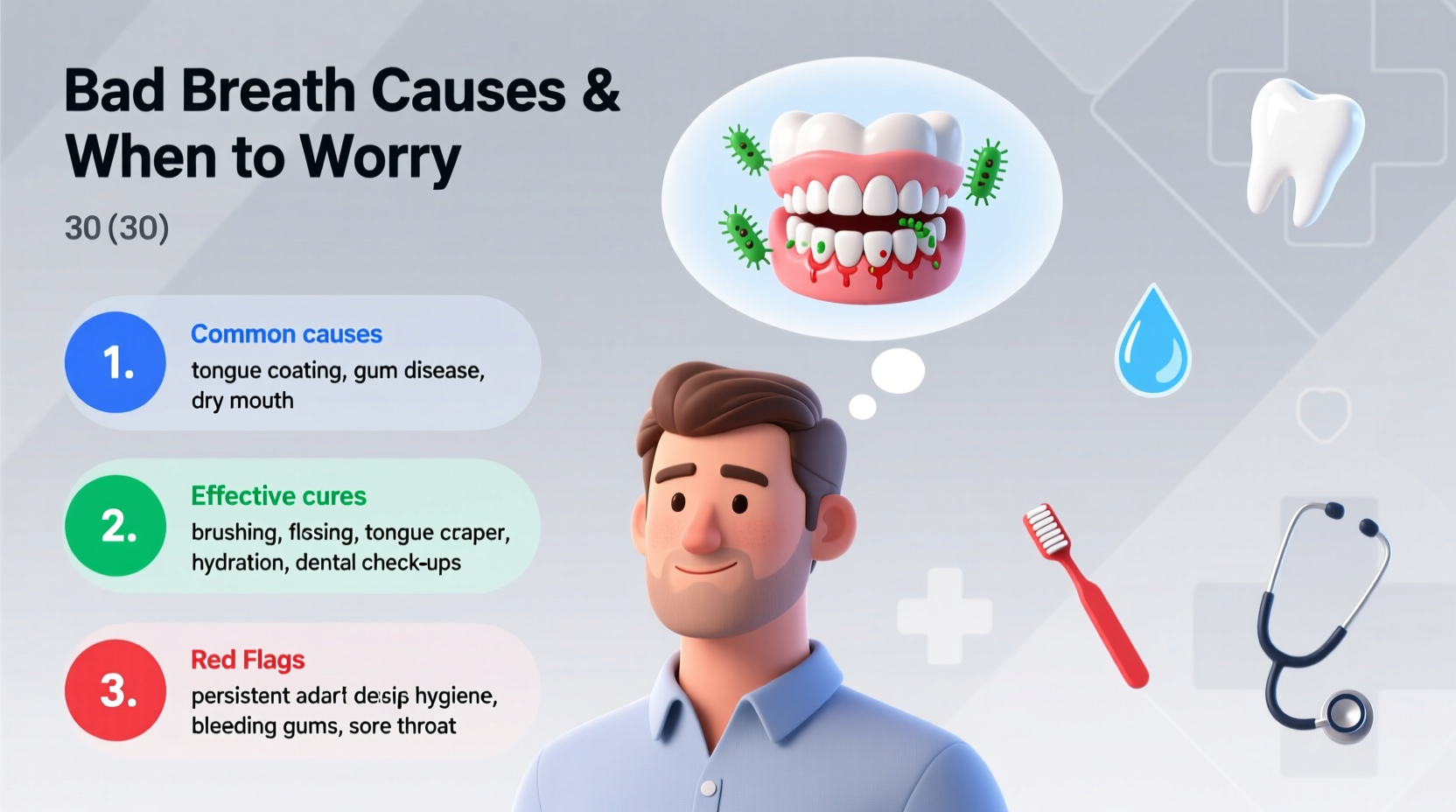
While occasional morning breath is normal, chronic halitosis usually stems from identifiable sources. In men, lifestyle habits, oral hygiene practices, and physiological factors often converge to create persistent odor.
- Poor Oral Hygiene: Skipping brushing, flossing, or tongue cleaning allows food particles and bacteria to accumulate, producing foul-smelling sulfur compounds.
- Dry Mouth (Xerostomia): Reduced saliva flow—common during sleep, with mouth breathing, or due to medications—creates an environment where odor-causing bacteria thrive.
- Dietary Habits: Foods like garlic, onions, coffee, and alcohol leave lingering odors and contribute to bacterial growth.
- Tobacco Use: Smoking or chewing tobacco not only leaves a stale smell but also increases plaque buildup and gum disease risk.
- Postnasal Drip and Sinus Issues: Mucus draining down the throat feeds anaerobic bacteria at the back of the tongue, causing a pungent odor.
- Gastroesophageal Reflux Disease (GERD): Stomach acid rising into the esophagus can carry odorous gases into the mouth.
Effective Cures and Daily Prevention Strategies
Most cases of bad breath can be resolved with consistent, simple changes. The key is targeting both symptoms and root causes.
1. Optimize Oral Hygiene Routine
Brush teeth twice daily with fluoride toothpaste, floss once a day, and include tongue scraping every morning. An antibacterial mouthwash containing chlorhexidine or cetylpyridinium chloride can reduce microbial load.
2. Stay Hydrated
Drinking water throughout the day helps wash away food debris and stimulates saliva production. Aim for at least 8 glasses daily, especially if he consumes caffeine or works in dry environments.
3. Adjust Diet and Limit Triggers
Reduce intake of sulfur-rich foods (garlic, onions), sugary snacks, and alcohol. Instead, promote crunchy vegetables like carrots and apples that naturally clean teeth and increase saliva flow.
4. Use Sugar-Free Gum or Lozenges
Sugar-free options with xylitol stimulate saliva and inhibit bacterial growth without contributing to decay.
5. Replace Old Toothbrushes and Clean Dental Appliances
Toothbrushes should be replaced every 3–4 months. If your husband wears dentures, retainers, or night guards, ensure they are cleaned daily with appropriate solutions.
“Consistent oral care isn’t just about fresh breath—it’s a window into overall health. Halitosis can be the first sign of periodontal disease or systemic issues.” — Dr. Alan Pierce, Board-Certified Periodontist
When to Worry: Red Flags That Need Medical Attention
While most bad breath originates in the mouth, some causes point to serious health concerns. Persistent odor despite good hygiene warrants further investigation.
| Symptom | Possible Cause | Action Step |
|---|---|---|
| Foul, rotten egg smell | Advanced gum disease or deep dental infection | Schedule dental exam and possible X-ray |
| Sweet, fruity breath | Possible diabetic ketoacidosis | Seek immediate medical evaluation |
| Ammonia-like or urine-scented breath | Kidney dysfunction | Consult physician for blood and urine tests |
| Chronic sour or acidic breath | GERD or hiatal hernia | Visit gastroenterologist for diagnosis |
| Constant thick mucus and postnasal drip | Chronic sinusitis or tonsil stones | See ENT specialist |
If bad breath persists beyond two weeks of improved hygiene and lifestyle adjustments, it’s time to consult a dentist or doctor. Do not dismiss it as “just” poor brushing—chronic halitosis may mask treatable but serious conditions.
Mini Case Study: Mark’s Morning Breath Mystery
Mark, a 42-year-old accountant, had struggled with severe morning breath for years. His wife gently suggested he see a dentist after failed attempts with mints and mouthwash. During the exam, the dentist discovered moderate gum disease and dry mouth caused by a blood pressure medication he’d been taking for two years. After switching medications under his doctor’s supervision, receiving a deep cleaning, and starting nightly tongue scraping, Mark’s breath improved within three weeks. His case highlights how systemic factors can override even decent oral hygiene.
Step-by-Step Guide to Freshening Your Husband’s Breath
Approaching this topic sensitively matters. Here’s a practical, non-confrontational plan:
- Start with observation, not accusation: Say, “I’ve noticed mornings are rough breath-wise—want to tackle it together?”
- Implement a joint routine: Brush side-by-side each night and use mouthwash. Make it a shared habit.
- Introduce a tongue scraper: Place one next to his toothbrush with a note: “This removes overnight bacteria—give it a try!”
- Track improvements: Note fresher mornings or compliments from others to reinforce progress.
- Schedule a dental checkup: Frame it as preventive care, not a crisis. Offer to book the appointment.
- Evaluate after 30 days: If no improvement, suggest seeing a physician to rule out internal causes.
Do’s and Don’ts: Quick Reference Checklist
| Do | Don't |
|---|---|
| Brush and floss daily, including the tongue | Rely solely on mints or sprays to mask odor |
| Drink water frequently, especially after meals | Smoke or use tobacco products |
| Use alcohol-free antibacterial mouthwash | Ignore persistent bad taste or sore gums |
| Visit the dentist twice a year | Assume bad breath is “normal” at his age |
| Discuss medications that cause dry mouth with a doctor | Delay medical evaluation if odor changes suddenly |
FAQ: Common Questions About Husbands’ Bad Breath
Can bad breath be a sign of cancer?
While rare, persistent bad breath accompanied by sores, lumps, or difficulty swallowing could indicate oral cancer. Smokers and heavy drinkers are at higher risk. Any unexplained mouth changes lasting over two weeks should be evaluated by a dentist.
Why does my husband have bad breath even after brushing?
This may signal hidden issues such as tonsil stones, gum pockets, sinus infections, or GERD. Bacteria can hide in crevices unreachable by brushing. A dental exam can identify these areas and recommend targeted treatment.
Is there a connection between snoring and bad breath?
Yes. Snoring often involves mouth breathing, which dries the oral cavity and promotes bacterial growth. Sleep apnea patients commonly report morning breath. Treating sleep-disordered breathing can significantly improve oral odor.
Take Action for Healthier Breaths—and a Healthier Relationship
Addressing bad breath isn’t just about social comfort—it’s about care, respect, and proactive health management. When approached with empathy and facts, improving breath can become a shared goal that strengthens intimacy and trust. Small daily habits compound into lasting change, and sometimes, the simplest fix leads to the biggest relief.




 浙公网安备
33010002000092号
浙公网安备
33010002000092号 浙B2-20120091-4
Comments
No comments yet. Why don't you start the discussion?