
When it comes to choosing between hydrating lip gloss and matte lipstick, the decision often comes down to finish—shiny and dewy versus bold and flat. But beyond aesthetics, a more practical question lingers: which one actually lasts longer on your lips? The answer isn’t as straightforward as it seems. While matte lipsticks are widely praised for their staying power, hydrating glosses have evolved with long-wear formulas that challenge the status quo. To understand which product truly outlasts the other, we need to examine formulation chemistry, application habits, and real-world wear.
The Science Behind Wear Time
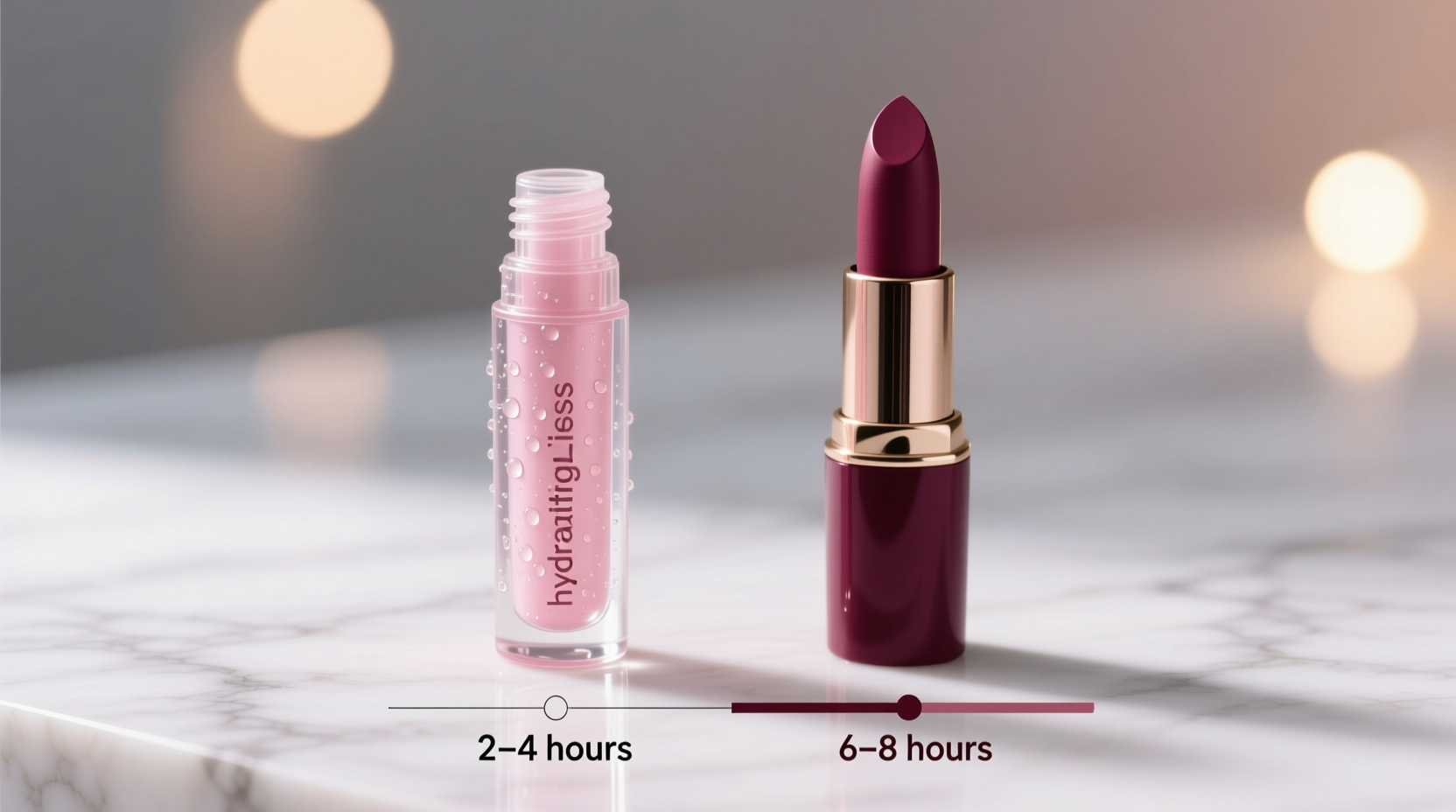
Lip product longevity is largely determined by its formulation. Matte lipsticks typically use high concentrations of waxes, pigments, and film-forming polymers. These ingredients create a thin, flexible layer that adheres tightly to the lip surface, resisting transfer and smudging. Once dried down, many matte lipsticks form a semi-permanent bond that only breaks down with oil-based removers.
In contrast, hydrating lip glosses rely on emollients like oils, silicones, and butters (such as shea or murumuru). These ingredients provide moisture and shine but also make the formula more prone to migration and fading. Because they’re designed to feel lightweight and nourishing, they lack the rigid polymer matrix found in long-wear mattes. However, newer hybrid glosses now incorporate transfer-resistant technology—using cross-linking polymers that lock pigment in place while maintaining a glossy finish.
“Traditional matte lipsticks still lead in longevity due to their low-oil, high-pigment structure. But next-gen glosses with polymer bases are closing the gap significantly.” — Dr. Lena Torres, Cosmetic Chemist & Formulation Specialist
Comparative Performance: Real-Life Testing
To assess actual wear time, consider how each product behaves during daily activities:
- Eating and drinking: Matte lipsticks, especially liquid ones, often survive light snacking and sipping. Hydrating glosses typically require reapplication after any contact with food or drink.
- Talking and facial movement: Gloss tends to migrate into fine lines around the mouth, reducing visible color. Matte formulas stay put unless over-applied.
- Touch-ups: Gloss users average 3–5 reapplications per day; matte wearers may go 6–8 hours without needing a refresh.
Longevity Comparison Table
| Feature | Hydrating Lip Gloss | Matte Lipstick |
|---|---|---|
| Average Wear Time | 2–4 hours | 6–10 hours |
| Transfer Resistance | Low to moderate | High |
| Reapplication Frequency | Every 2–3 hours | Once midday |
| Comfort Level | High (moisturizing) | Variable (can dry lips) |
| Best For | Daytime, casual wear, hydration focus | Evening events, photos, long meetings |
A Case Study: A Full Workday Test
Sophia, a marketing executive, tested both products during an 8-hour workday involving back-to-back Zoom calls, lunch with colleagues, and coffee breaks. She applied a popular hydrating lip gloss at 8:30 AM. By 10:00 AM, the shine had faded, and color was uneven. After eating lunch at noon, no visible pigment remained. She reapplied three times before leaving work.
The following day, she used a matte liquid lipstick. Applied at 8:30 AM, it stayed intact through coffee sips (with a straw), a sandwich, and hand sanitizer contact. Only minor fading occurred at the inner corners by 5:00 PM. No reapplication was needed.
The result? Matte lipstick lasted over three times longer under identical conditions, proving its endurance advantage despite gloss’s comfort edge.
How to Maximize Longevity for Both Types
You don’t have to sacrifice comfort for durability. With the right techniques, both products can perform better:
- Exfoliate first: Remove dead skin with a gentle scrub or damp washcloth to create a smooth base.
- Prime your lips: Use a lip liner to outline and fill in lips. This creates a grippy surface for any formula.
- Blot and layer: For gloss, apply, blot with tissue, then reapply. For matte, build thin layers instead of one thick coat.
- Set strategically: Press a single layer of translucent powder through a tissue over gloss to reduce shine transfer without killing the glow.
- Carry a touch-up kit: Keep a mini version of your product and a clean fingertip applicator for discreet refreshes.
Emerging Hybrid Options
The beauty industry has responded to the demand for “best of both worlds” products. Tinted balms with time-release pigments, gel-gloss hybrids, and cushion lip tints now offer 4–6 hours of wear with moisturizing benefits. Brands like Fenty, Rare Beauty, and Kosas have launched formulas that combine hyaluronic acid with polymeric films, delivering hydration and adherence in one swipe.
These innovations suggest that the future of lip color lies not in choosing between gloss and matte, but in intelligent formulations that balance sensory appeal with staying power. Still, even these hybrids rarely match the full endurance of traditional matte liquids.
Frequently Asked Questions
Does lip balm affect lipstick wear?
Yes—applying heavy balm before matte lipstick can prevent proper adhesion. If you must moisturize, do so 10–15 minutes before application and blot thoroughly.
Can I make lip gloss last longer without drying out my lips?
Yes. Use a long-wear tinted balm as a base, then top with a small amount of gloss only in the center for dimension. This technique, known as “gloss layering,” extends wear while preserving comfort.
Why does matte lipstick sometimes crack?
Cracking occurs when lips are dehydrated or when too much product is applied. Exfoliate regularly and opt for creamy matte finishes if you have dry lips.
Final Verdict: Which Lasts Longer?
Despite advancements in hydrating formulas, **matte lipstick still wins in longevity**. Its low-oil composition and strong pigment load allow it to resist fading, eating, and talking far better than traditional gloss. That said, if comfort and hydration are priorities—and you don’t mind frequent touch-ups—lip gloss remains a valuable option, especially for daytime or low-key settings.
The key is aligning your choice with your lifestyle. Need something that survives dinner and a night out? Reach for matte. Want a soft, healthy look for a morning meeting and quick errands? Gloss will serve you well—with a reapplication in your bag.
“Longevity shouldn’t be the only metric. A product that feels good increases confidence, which matters just as much.” — Naomi Reed, Celebrity Makeup Artist
Take Action Today
Don’t just pick a lip product based on trend or finish—test it in real life. Try wearing each type for a full day, note when and why you reapply, and see what truly works for your routine. Whether you lean toward plush gloss or bold matte, understanding the science behind wear time empowers smarter choices. Share your own experience in the comments—what’s your go-to long-wear lip hack?




 浙公网安备
33010002000092号
浙公网安备
33010002000092号 浙B2-20120091-4
Comments
No comments yet. Why don't you start the discussion?