
In a market flooded with hydration solutions, two names consistently rise to the top: Hydro Flask and CamelBak. Both brands have loyal followings, but for very different reasons. Hydro Flask has built its reputation on sleek design and exceptional temperature retention, while CamelBak is synonymous with active hydration—especially among hikers, runners, and military personnel. But as trends shift and new products emerge, the question remains: Are Hydro Flasks still worth the hype when compared to CamelBak’s functional alternatives?
This isn’t just about keeping water cold or hot—it’s about how each bottle fits into your lifestyle, withstands daily use, and delivers value over time. Let’s break down the key differences and determine which brand truly earns its place in your bag, backpack, or gym locker.
Temperature Performance: The Core of Hydro Flask’s Appeal
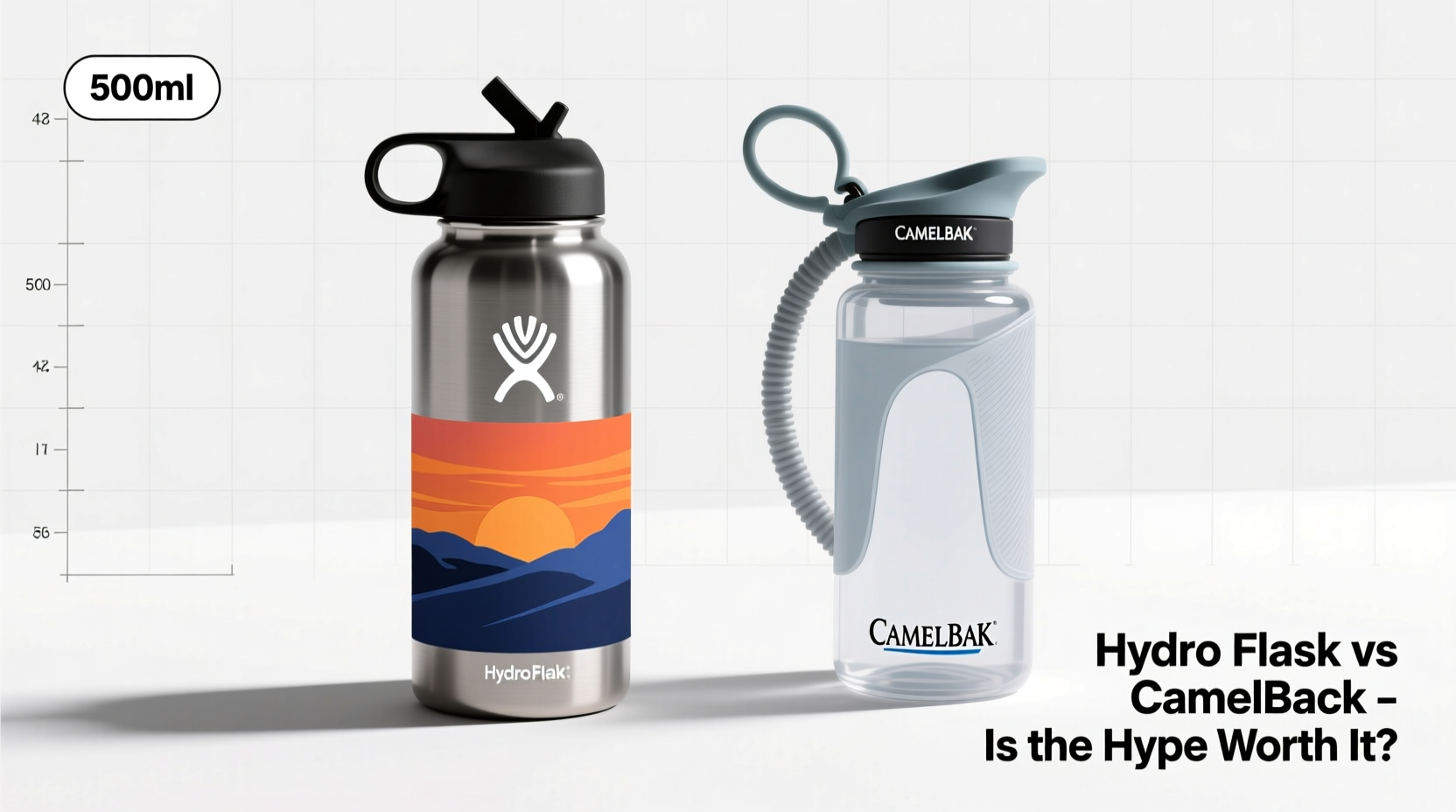
Hydro Flask’s standout feature is its TempShield insulation. Using double-wall vacuum technology, these bottles can keep ice frozen for up to 24 hours and liquids hot for 12. This isn’t marketing fluff—it’s measurable performance that works whether you're hiking in July or sipping tea during a winter commute.
CamelBak, by contrast, doesn’t emphasize thermal retention in most of its product line. Their standard edr30 and Chute Mag models are single-wall stainless steel or BPA-free plastic, meaning they offer no insulation. Your drink will match ambient temperature within a few hours. For athletes who refill frequently or prefer room-temperature water, this isn’t an issue. But if you want icy water after a long day in the sun, CamelBak falls short.
Durability and Build Quality: Built to Last?
Both brands use high-quality materials, but their construction philosophies differ. Hydro Flask bottles are made from 18/8 pro-grade stainless steel and feature a durable powder-coated exterior. While the coating resists scratches well, it can chip if dropped on hard surfaces—especially near the base. Once chipped, rust can form if moisture gets underneath, though Hydro Flask offers a lifetime warranty covering such defects.
CamelBak leans into ruggedness. Many of their bottles include shatter-resistant Tritan plastic, rubberized carry handles, and magnetic caps designed for one-handed operation. Their durability shines in high-impact environments. Military units and trail runners trust CamelBak because it’s engineered for motion—not just storage.
“CamelBak’s design philosophy centers around usability under stress. It’s not about looking good on Instagram; it’s about functioning flawlessly when you’re exhausted and dehydrated.” — Dr. Lena Torres, Outdoor Gear Researcher at Appalachian State University
Portability and On-the-Go Use: Who Wins for Active Lifestyles?
This is where CamelBak pulls ahead for many users. Their signature hands-free hydration systems—like the classic CamelBak backpack with a drinking tube—are unmatched for long hikes, cycling, or endurance events. Even their handheld and upright bottles often feature ergonomic grips, bite valves, and quick-sip mechanisms that make drinking mid-stride effortless.
Hydro Flask, while portable, is optimized for grab-and-go convenience rather than continuous movement. The wide mouth is great for cleaning and adding ice, but it requires unscrewing the lid to drink—slower and less practical during intense activity. Some newer models include flex cap options, but they don’t integrate as seamlessly as CamelBak’s patented systems.
Real-World Example: Trail Runner’s Dilemma
Sarah, a trail runner training for a 50K ultramarathon, tested both brands over six weeks. She used a 24 oz Hydro Flask during weekday commutes and shorter runs. It kept her water cold all day and looked great at work. But during weekend long runs, she switched to a CamelBak Circuit hydration vest. “I didn’t have to stop or slow down to drink,” she said. “The constant access made a huge difference in my pacing and energy levels.”
For Sarah, the answer wasn’t choosing one brand over the other—it was using each for its strengths.
Comparison Table: Key Features Side-by-Side
| Feature | Hydro Flask | CamelBak |
|---|---|---|
| Insulation (Hot/Cold Retention) | ✔️ Up to 24 hrs cold / 12 hrs hot | ❌ Single-wall (no insulation) |
| Material | Stainless steel + powder coat | Mixed (Tritan, stainless, soft flasks) |
| Lid Mechanism | Screw-top, straw, or flip options | Bite valve, magnetic, or quick-sip |
| Hands-Free Options | ❌ Limited (requires third-party carriers) | ✔️ Extensive (vests, packs, belts) |
| Dishwasher Safe | ✅ Lid only (bottle hand-wash recommended) | ✅ Most parts dishwasher safe |
| Warranty | ✔️ Lifetime guarantee | ✔️ Lifetime Perfect Bite Valve Guarantee + limited bottle coverage |
| Best For | Daily use, office, travel, casual outdoor | Athletes, hikers, military, endurance sports |
Cleanliness and Maintenance: Hidden Challenges
Hydro Flask’s wide mouth makes it easy to clean by hand, but the narrow neck of some lids can trap bacteria if not disassembled regularly. The brand recommends hand-washing the entire bottle, which may deter those relying on dishwashers.
CamelBak’s bite valves and tubes require more effort to sanitize. Without regular deep cleaning, mold can develop—a common complaint in older hydration bladders. However, CamelBak includes cleaning kits and even dishwasher-safe components in many models, making maintenance more manageable than in the past.
Price and Value Over Time
Hydro Flask bottles typically range from $35 to $55 depending on size and finish. Limited editions or collaborations can exceed $60. They’re premium-priced, banking on aesthetics and insulation performance.
CamelBak’s pricing varies widely. Basic bottles start around $20, while full hydration packs go up to $150. For serious athletes, the investment pays off in functionality. For everyday users, simpler CamelBak models offer solid value without the flashy look.
When evaluating worth, consider longevity. Both brands offer lifetime warranties, but real-world feedback suggests Hydro Flasks last longer in passive settings, while CamelBaks endure better under physical stress.
FAQ: Common Questions Answered
Can I put my Hydro Flask in the freezer?
No. Freezing liquids inside can cause pressure buildup and damage the vacuum seal, leading to permanent loss of insulation. Always avoid freezing any insulated bottle.
Are CamelBak bite valves safe for children?
Yes. CamelBak uses medical-grade silicone in their bite valves, and many kids’ models (like the Eddy+ Kids) are designed specifically for young users. Just ensure proper cleaning to prevent microbial growth.
Which brand is more eco-friendly?
Both brands use recyclable materials and promote reusable culture. Hydro Flask emphasizes sustainability in packaging and partners with conservation nonprofits. CamelBak focuses on reducing single-use plastic through durable, repairable designs. Neither is perfect, but both outperform disposable alternatives significantly.
Final Verdict: Are Hydro Flasks Still Worth It?
The hype around Hydro Flask hasn’t faded because it was never just about the bottle—it was about redefining expectations. Before Hydro Flask, few expected a reusable bottle to keep drinks cold for a full day while looking stylish enough to carry into a meeting or coffee shop. They succeeded in making sustainability desirable.
But “worth the hype” depends on your needs. If you value temperature control, aesthetic appeal, and daily convenience, Hydro Flask remains a top-tier choice. It’s ideal for students, professionals, parents, and casual outdoor enthusiasts.
If you’re pushing physical limits—running marathons, biking trails, or serving in demanding roles—CamelBak’s functional superiority becomes undeniable. Their innovation in hands-free hydration and field-tested reliability gives them an edge where performance matters most.
In truth, the best choice might not be one or the other. Many people benefit from owning both: a Hydro Flask for the desk and a CamelBak for the trail.
“You don’t choose between a chef’s knife and a paring knife based on brand loyalty—you choose based on the task. The same logic applies here.” — Mark Delgado, Gear Editor at *Outdoor Life*
Your Next Step
Instead of asking which brand is “better,” ask what you need your bottle to do. Test one from each brand. See how they feel in your hand, how easy they are to clean, and whether they survive your routine. Hydration is personal. The right bottle should disappear into your life—reliable, unnoticed, but always there when you need it.




 浙公网安备
33010002000092号
浙公网安备
33010002000092号 浙B2-20120091-4
Comments
No comments yet. Why don't you start the discussion?