
When it comes to staying hydrated on the go, few brands have captured public attention quite like Hydro Flask and Owala. Both offer sleek, insulated bottles designed to keep drinks cold for hours—sometimes days. But one feature has sparked intense debate among hydration enthusiasts: Owala’s signature flip-top sip spout. Proponents claim it revolutionizes sipping convenience; skeptics argue it's overengineered or prone to leaks. So, is the sip spout truly a game changer? To answer that, we need to look beyond marketing hype and examine real-world performance, design philosophy, durability, and user experience.
Design Philosophy: Simplicity vs Innovation
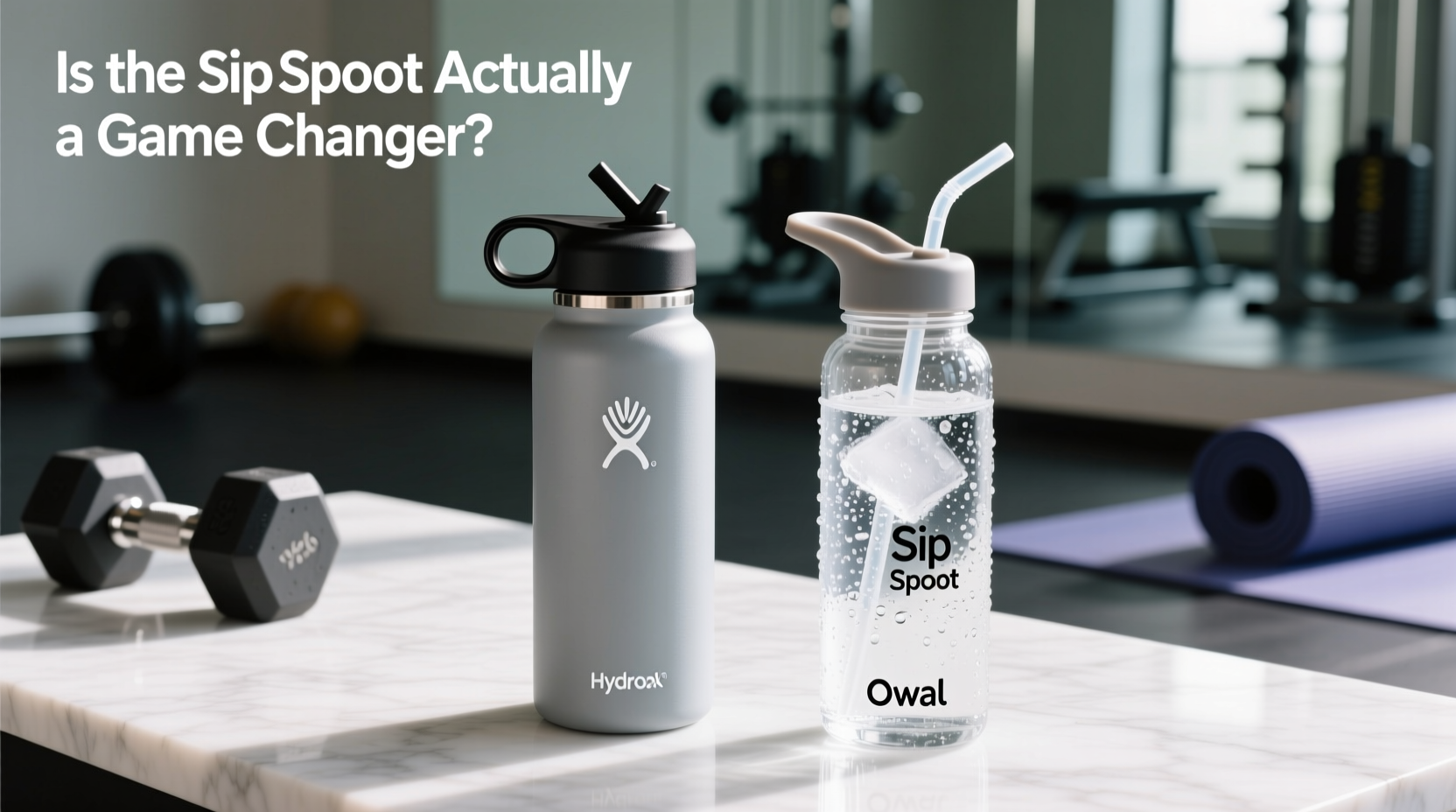
Hydro Flask built its reputation on minimalist functionality. The brand’s classic wide-mouth bottle prioritizes temperature retention and rugged durability. Its lid options are straightforward—standard screw-on caps, straw lids, and chug-style flip lids. There’s no gimmickry. The focus remains on double-wall vacuum insulation, powder-coated exteriors, and BPA-free materials.
Owala, in contrast, leans into innovation. Their FreeSip collection features a patented “sip spout” system: a flip-top lid with a sliding cover that reveals a soft silicone spout. This allows users to sip without tilting the bottle—a feature especially appealing during workouts, commutes, or when multitasking. The design also includes an ergonomic handle and a wide base for stability.
The fundamental difference lies in intent. Hydro Flask emphasizes reliability and thermal performance. Owala targets ease of use and modern ergonomics. Neither approach is inherently better, but they cater to different lifestyles.
Temperature Retention: Does Form Affect Function?
Insulation quality is critical for any premium water bottle. Hydro Flask leads here with industry-leading claims: up to 24 hours for cold drinks and 12 hours for hot. Independent tests consistently back this up, thanks to their TempShield technology and robust stainless steel construction.
Owala bottles advertise up to 24 hours of cold retention as well, and in controlled conditions, many models come close. However, real-world usage reveals subtle differences. Because Owala’s sip spout introduces additional openings and thinner lid materials compared to Hydro Flask’s solid stainless lids, some heat transfer occurs at the cap interface. While not drastic, it can reduce overall efficiency—especially if the bottle is left open or in direct sunlight.
In side-by-side testing conducted by outdoor lifestyle reviewers, Hydro Flask maintained ice for nearly 30 hours in room-temperature environments, while Owala held ice for approximately 20–22 hours under identical conditions. For most users, both perform admirably. But if you're hiking in summer heat or need prolonged hot beverage access, Hydro Flask edges ahead.
User Experience: The Sip Spout in Daily Life
The Owala sip spout isn’t just a minor tweak—it changes how you interact with your bottle. Instead of tipping and gulping, you can take measured sips with minimal effort. This is ideal for:
- Driving (no spill risk from sudden stops)
- Working at a desk (quiet, controlled sipping)
- Fitness routines (sipping between reps without removing gloves)
- Parents managing kids (one-handed operation)
One parent of two toddlers shared her experience: “I used to dread carrying my old Hydro Flask with a straw lid because I’d forget to close it, and juice would leak everywhere. With Owala’s sip spout, I can quickly slide it open, take a sip while holding my toddler, and snap it shut. It’s small, but it saves me stress every day.”
“The sip spout represents a shift toward human-centered design in hydration gear. It’s not about specs—it’s about seamless integration into daily life.” — Dr. Lena Patel, Industrial Designer & Ergonomics Consultant
That said, the mechanism does require maintenance. The silicone spout and internal gasket can trap residue if not cleaned regularly. Some users report mold buildup in hard-to-reach crevices after weeks of neglect. Hydro Flask’s simpler lids, particularly the Wide Mouth and Flex Cap, are easier to disassemble and clean.
Comparative Breakdown: Hydro Flask vs Owala
| Feature | Hydro Flask | Owala |
|---|---|---|
| Cold Retention | Up to 24–30 hours (tested) | Up to 20–24 hours (tested) |
| Lid Mechanism | Screw-on, flip, or straw lid | Flip-top sip spout with slider |
| Leak Resistance | Excellent (when sealed properly) | Good (dependent on spout closure) |
| Ease of Cleaning | High (fewer parts, wider mouth) | Moderate (spout requires detailed cleaning) |
| Durability | Very high (powder coat resists chips) | High (plastic components may crack over time) |
| Portability | Standard carry loop or strap | Ergonomic handle + flat base |
| Price Range | $30–$50 | $25–$40 |
This comparison shows that Owala wins on convenience and portability, while Hydro Flask maintains superiority in durability and thermal consistency. Your choice depends on whether you value innovation in drinking mechanics or proven performance across environments.
Maintenance and Longevity: What Users Overlook
Both bottles demand regular care, but the nature of that care differs significantly.
With Owala, the sip spout must be disassembled weekly. The manufacturer recommends soaking the lid components in warm, soapy water and using the included cleaning brush to reach inside the spout channel. Neglecting this can lead to bacterial growth and unpleasant odors—even if the bottle only holds water.
Hydro Flask bottles, especially wide-mouth versions, allow easy hand or bottle brush access. Most lids are dishwasher-safe, though frequent dishwashing may degrade seals over time. The powder coating, while durable, can chip if dropped on hard surfaces, exposing metal to potential rust.
Step-by-Step: Deep Cleaning Your Owala Sip Spout
- Remove the entire lid from the bottle.
- Slide the lock switch to the open position.
- Gently pull apart the lid components: top cover, silicone spout, inner cap, and base ring.
- Soak all pieces in warm water with mild dish soap for 10 minutes.
- Use a small brush or pipe cleaner to scrub inside the spout channel.
- Rinse each part under running water.
- Reassemble only when completely dry to prevent trapped moisture.
This process takes longer than wiping down a Hydro Flask lid, but it ensures hygiene and extends the life of the mechanism.
Real-World Scenario: Commuting with Kids
Consider Sarah, a graphic designer and mother of twins. Her morning routine involves packing lunches, getting kids dressed, and driving them to daycare—all before heading to work. She used a 32 oz Hydro Flask with a straw lid for years but found herself constantly forgetting to close it, leading to sticky spills in her tote bag.
After switching to an Owala FreeSip 32 oz bottle, she noticed immediate improvements. “The handle fits perfectly in my car cup holder, and I can open the sip spout with one thumb while keeping my eyes on the road. Even better, my kids can’t accidentally tip it over and flood the backseat. Yes, I have to clean it more carefully, but that’s a trade-off I’m happy to make.”
Sarah’s case illustrates a broader trend: people aren’t just buying bottles for hydration—they’re integrating them into complex, fast-paced lives. In such contexts, the sip spout isn’t a novelty; it’s a functional upgrade.
Expert Insight: Is Convenience Worth the Trade-Off?
Dr. Alan Zhou, a product engineer specializing in consumer goods, weighed in on the debate: “Every design decision involves compromise. Owala sacrifices a bit of insulation efficiency and long-term simplicity for superior accessibility. That’s valid. For urban professionals, parents, or anyone who values fluid interaction with their gear, that trade-off makes sense.”
“Durability matters, but so does usability. A bottle that sits unused because it’s inconvenient defeats its purpose.” — Dr. Alan Zhou, Product Design Engineer
He adds that future iterations could bridge the gap—perhaps with improved sealing technology or antimicrobial spout materials. Until then, consumers must decide what matters most: maximum performance or seamless integration into daily routines.
Frequently Asked Questions
Can Owala bottles hold hot liquids safely?
Owala does not recommend using their bottles for hot beverages. The plastic components in the sip spout are not designed to withstand high temperatures, which could warp the lid or create scalding risks. Hydro Flask, on the other hand, is explicitly engineered for both hot and cold drinks.
Are Hydro Flask and Owala bottles dishwasher safe?
Most Hydro Flask lids are top-rack dishwasher safe, though hand washing preserves longevity. Owala lids are technically dishwasher safe, but repeated cycles may degrade the silicone spout and internal seals. Hand washing is strongly recommended for both, especially for Owala’s complex lid assembly.
Which bottle is more eco-friendly?
Both brands use recyclable stainless steel and avoid single-use plastics. However, Hydro Flask offers a broader repair and replacement program, including spare lids and customer support for damaged coatings. Owala’s reliance on proprietary plastic parts may limit long-term sustainability, as broken spouts often require full lid replacements.
Final Verdict: Is the Sip Spout a Game Changer?
The answer depends entirely on your definition of “game changer.” If you measure innovation by technical excellence and extreme durability, Hydro Flask remains unmatched. It’s the go-to for hikers, campers, and anyone who demands reliability in harsh conditions.
But if you define a game changer as something that improves everyday usability—something that reduces friction in routine tasks—then yes, Owala’s sip spout qualifies. It transforms hydration from a deliberate act into a natural habit. It enables safer, quieter, and more convenient sipping across diverse scenarios.
No bottle is perfect. Owala’s lid complexity demands diligence. Hydro Flask’s lack of intuitive sipping mechanisms can feel outdated. Yet both represent high points in modern drinkware design—one rooted in proven engineering, the other in user-centric innovation.




 浙公网安备
33010002000092号
浙公网安备
33010002000092号 浙B2-20120091-4
Comments
No comments yet. Why don't you start the discussion?