
Seeing a flag flying at half-mast often prompts reflection. In Idaho, as in other states, this symbolic gesture is not done casually—it follows specific protocols established by the governor or in alignment with federal directives. Whether you're a resident observing a lowered flag outside a government building, a traveler passing through the state, or someone planning a public event, understanding why flags are at half-staff and how to verify their current status is both respectful and practical.
This guide provides up-to-date insight into when and why Idaho lowers its flags, where to find reliable information, and what historical and ceremonial traditions inform these decisions. You'll also learn how to stay informed and honor national and state moments of mourning appropriately.
How to Check If Idaho Flags Are at Half-Mast Today
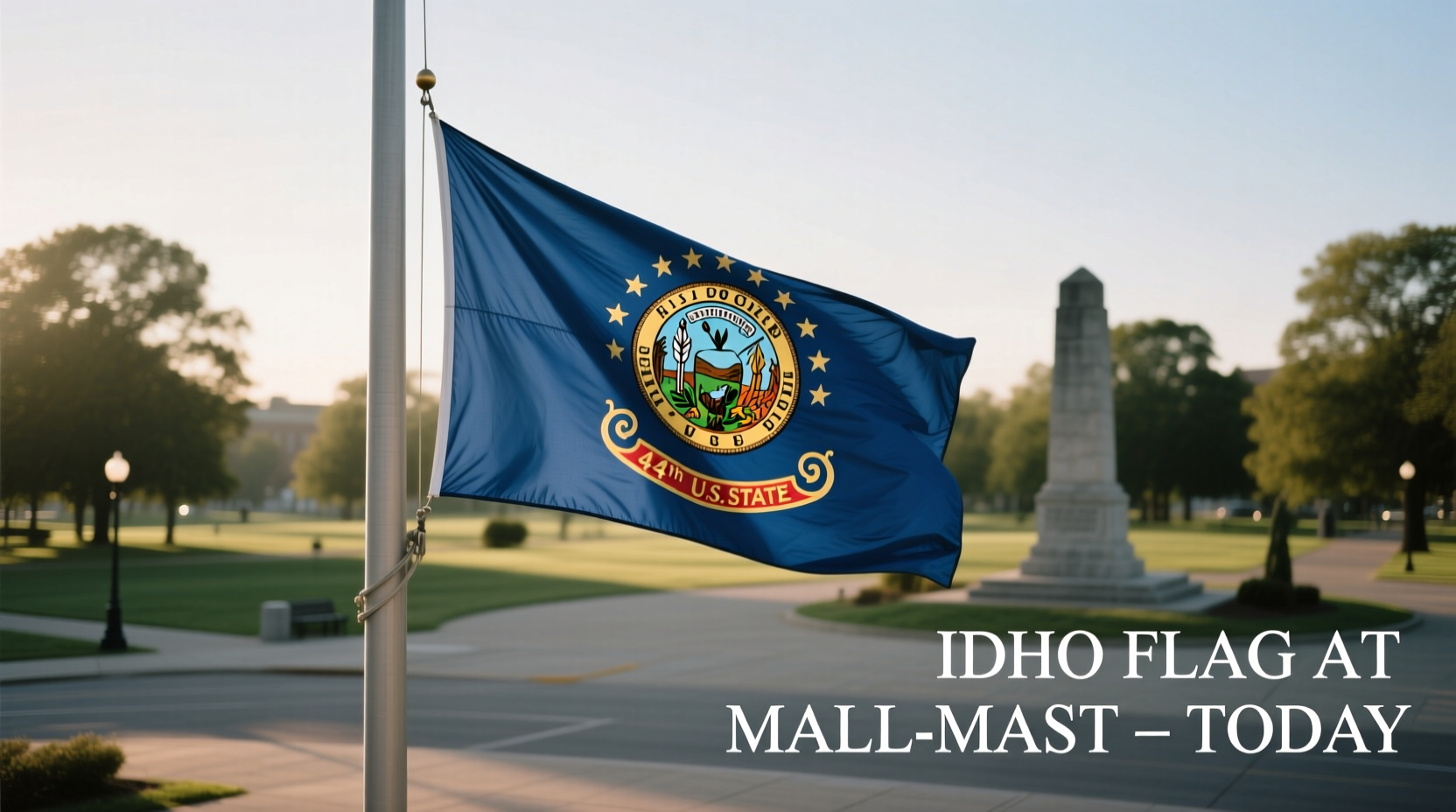
The most accurate way to confirm whether Idaho’s flags are currently at half-staff is to consult official sources. The Idaho Office of the Governor regularly issues proclamations that direct flag status across state facilities. Here are the primary methods:
- Visit the Official Idaho.gov Website: The governor's office posts active flag-lowering orders under press releases or executive actions. These updates are typically published within hours of a decision.
- Follow Idaho State Agencies on Social Media: Entities like the Idaho Department of Administration or the Idaho National Guard often share real-time updates via Twitter (X), Facebook, or LinkedIn.
- Call Local Government Offices: City halls, county administrative buildings, and public libraries usually follow state flag guidelines and can confirm current status.
- Monitor Local News Outlets: Reputable stations such as KTVB, KPVI, or Idaho Public Television report on flag changes, especially during periods of national or local mourning.
Common Reasons for Lowering Flags in Idaho
Idaho lowers its flags in accordance with both federal mandates and state-specific commemorations. While some occasions are nationally observed, others reflect Idaho’s unique history and community values.
- National Tragedies or Mourning: Following events like terrorist attacks, mass shootings, or natural disasters that result in significant loss of life.
- Death of a U.S. President or High-Ranking Official: Current and former presidents, vice presidents, Supreme Court justices, members of Congress, and military leaders may prompt statewide observances.
- Memorial Day Observance: On May 30th each year, flags are flown at half-staff until noon, then raised to full mast to honor the nation’s fallen soldiers.
- First Responders Killed in the Line of Duty: Idaho has honored fallen firefighters, law enforcement officers, and emergency medical personnel with temporary flag-lowering ceremonies.
- State-Specific Memorials: Occasionally, the governor issues a proclamation for notable Idaho citizens—such as veterans, educators, or public servants—who have made significant contributions to the state.
“Lowering the flag is one of our most solemn duties as a state. It reflects our shared grief and respect for those who served and sacrificed.” — Governor Brad Little, 2023 Proclamation Statement
Recent Examples of Flag-Lowering in Idaho
In recent years, Idaho has observed several meaningful flag-lowering events. One notable instance occurred in January 2023, when Governor Brad Little ordered all state flags lowered to half-staff in honor of a Boise police officer killed during a routine traffic stop. The directive lasted for three days and was accompanied by a formal memorial service attended by hundreds.
Another example came in February 2022, when Idaho joined the nation in lowering flags after the passing of U.S. Senator Dianne Feinstein. Though not an Idaho native, her role as a sitting senator triggered a federal order that state facilities followed.
These examples illustrate how both local and national events influence Idaho’s flag protocol. They also highlight the importance of context—sometimes a lowered flag honors a national figure; other times, it mourns a homegrown hero.
Understanding the Difference: Half-Staff vs. Half-Mast
Though often used interchangeably, “half-staff” and “half-mast” have distinct meanings:
| Term | Definition | Usage Context |
|---|---|---|
| Half-Staff | Flag flown halfway up a flagpole on land | Government buildings, schools, parks |
| Half-Mast | Flag flown halfway up a ship’s mast | Military vessels, naval bases |
In Idaho, since most flags are displayed on land-based poles, “half-staff” is the technically correct term. However, public communication often uses “half-mast,” and both are widely understood.
Step-by-Step Guide to Properly Lowering a Flag to Half-Staff
If you’re responsible for displaying a flag at a business, school, or private residence and wish to observe a state or national directive, follow these steps:
- Confirm the Directive: Verify through the governor’s website or a trusted news source that flags should be lowered.
- Raise the Flag Briefly to the Top: Before lowering, hoist the flag fully to the peak of the pole, then slowly lower it to half-staff. This symbolizes the nation’s resilience even in mourning.
- Secure the Position: Ensure the flag does not touch the ground and remains visible and undamaged.
- Return to Full Mast Correctly: At the end of the observance, again raise the flag to the top before lowering it completely.
- Record the Date and Reason: Keep a log for future reference, especially if managing flags for an organization.
Do’s and Don’ts When Flags Are at Half-Staff
| Do’s | Don’ts |
|---|---|
| Observe moments of silence when appropriate | Use the occasion for political statements |
| Explain the reason to children or visitors | Allow the flag to drag on the ground |
| Follow official end dates for the observance | Ignore updated proclamations extending the period |
| Display the flag only during daylight hours unless illuminated | Leave torn or faded flags flying |
Frequently Asked Questions
How long do flags typically remain at half-staff in Idaho?
The duration depends on the proclamation. For fallen service members or first responders, it’s often 3–7 days. Federal observances, such as the death of a president, may last 30 days. Memorial Day observances last only until noon.
Are private citizens required to lower their flags?
No, it’s not mandatory for individuals or businesses. However, doing so is a respected gesture of solidarity and patriotism when a state or national directive is issued.
What should I do if I see a flag at half-staff but no announcement has been made?
Verify with official sources before assuming an error. Sometimes local jurisdictions honor regional figures independently. If the flag appears damaged or improperly displayed, contact the facility manager or local authorities.
Stay Informed: A Simple Checklist
- ✅ Bookmark the Idaho Governor’s official website
- ✅ Subscribe to state news alerts from credible media outlets
- ✅ Follow @GovBradLittle on social platforms for real-time updates
- ✅ Keep a small notebook or digital log of flag observances
- ✅ Educate family or staff on proper flag etiquette
Conclusion: Honor Through Awareness
Flags at half-staff are more than a visual detail—they are a collective expression of grief, gratitude, and unity. In Idaho, these gestures connect communities to national events and honor local heroes whose sacrifices shape the state’s identity. By knowing how to check the current status, understanding the reasons behind the observance, and following proper protocol, you contribute to a culture of respect and remembrance.




 浙公网安备
33010002000092号
浙公网安备
33010002000092号 浙B2-20120091-4
Comments
No comments yet. Why don't you start the discussion?