
Getting the texture right in potato salad hinges on one critical step: boiling the potatoes to perfection. Too soft, and they disintegrate into a starchy mess; too firm, and they resist the dressing, leaving the salad unevenly seasoned. The ideal boiling time for potatoes in potato salad is not a universal number—it depends on variety, size, and desired outcome. Understanding these variables allows home cooks to consistently produce potato salads with tender yet intact cubes that absorb flavor without collapsing. This guide breaks down the science, technique, and timing behind boiling potatoes specifically for potato salad, offering actionable steps to elevate this classic dish from side to centerpiece.
Definition & Overview
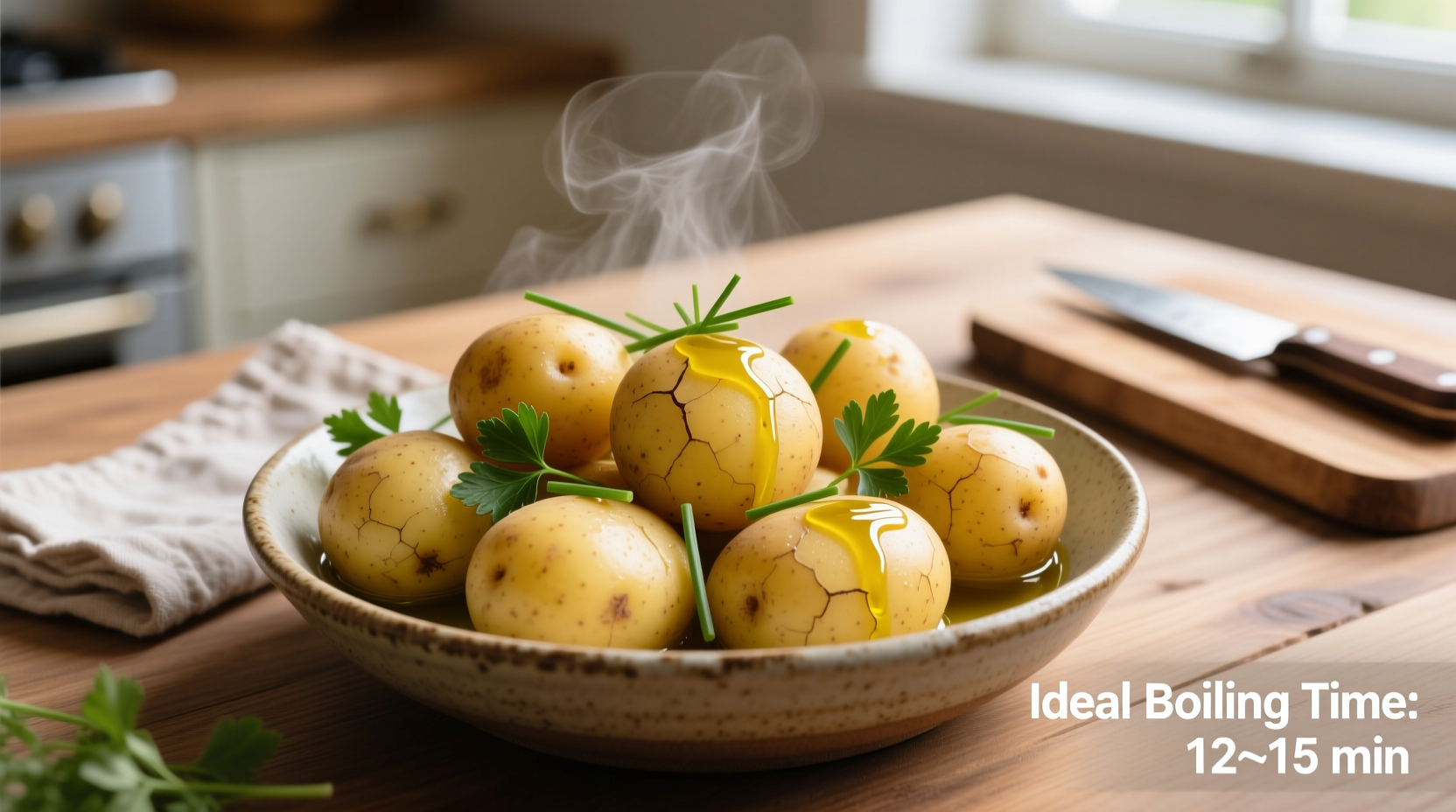
Potato salad is a chilled dish composed primarily of boiled potatoes combined with a dressing—typically mayonnaise-based, though vinaigrette or mustard emulsions are also common—and often includes ingredients like hard-boiled eggs, celery, onions, pickles, herbs, and spices. Its origins span continents: German-style potato salad often features a warm bacon-and-vinegar dressing, while American versions tend toward cold, creamy preparations served at picnics and barbecues. Despite regional variations, one constant remains: the quality of the boiled potato defines the success of the final dish.
The goal when boiling potatoes for potato salad is to cook them just until they are tender enough to pierce easily with a fork but still hold their shape firmly. This balance ensures that each cube maintains structure during mixing and chilling while remaining creamy inside. Overcooking leads to waterlogged, gummy potatoes; undercooking results in an unpleasant bite and poor flavor absorption. Achieving this sweet spot requires attention to potato type, cut size, and cooking method—all of which directly influence boiling duration.
Key Characteristics of Ideal Boiled Potatoes for Salad
When evaluating boiled potatoes for use in potato salad, several sensory and structural characteristics indicate optimal doneness:
- Texture: Tender but resilient—should yield slightly under pressure without crumbling.
- Interior: Creamy and uniformly cooked, free of raw or chalky centers.
- Exterior: Intact skin (if left on), no splitting or flaking.
- Flavor: Mildly sweet, earthy, and clean—no bitterness or off-tastes from overboiling.
- Moisture: Not waterlogged; excess surface moisture should be gently patted dry before dressing.
- Heat Retention: Warm potatoes absorb dressing better than cold ones, enhancing flavor integration.
Pro Tip: Always season the cooking water generously with salt—about 1 tablespoon per quart—to infuse flavor from the inside out. Unsalted water produces bland potatoes, regardless of boiling precision.
Practical Usage: How to Boil Potatoes for Perfect Potato Salad
Boiling potatoes for potato salad is more nuanced than simply dropping them in water. Follow this step-by-step process to ensure consistent results every time:
- Choose the Right Variety: Waxy or medium-wax potatoes such as Yukon Gold, red bliss, or fingerlings hold their shape best after boiling. Avoid high-starch varieties like russets unless mashed-style texture is intended.
- Wash and Cut Evenly: Scrub potatoes thoroughly. Cut into uniform ¾-inch cubes to promote even cooking. Larger pieces take longer and may result in uneven doneness if mixed with smaller ones.
- Start in Cold Salted Water: Place cut potatoes in a large pot and cover with cold water by about 1 inch. Add salt (1 Tbsp per quart). Starting in cold water ensures gradual, even heat penetration.
- Bring to a Simmer, Not a Rolling Boil: Heat uncovered over medium-high until water reaches a gentle simmer—small bubbles breaking the surface steadily but not violently. A rolling boil can cause outer layers to break apart before centers are done.
- Test Early and Often: Begin testing at 8 minutes. Use a fork or skewer to pierce a few cubes. Ideal doneness occurs when the utensil slides in with slight resistance and comes out cleanly—no mushiness, no crunch.
- Drain Immediately: Once cooked, drain promptly in a colander. Do not let potatoes sit in hot water, as residual heat will continue cooking them.
- Cool Slightly Before Dressing: For best flavor absorption, dress warm (not hot) potatoes. Let them cool for 10–15 minutes, then fold in dressing gently to avoid crushing.
Dressing Application Timing: A Critical Factor
The temperature at which you apply the dressing significantly affects flavor depth. Warm potatoes act like sponges, absorbing seasonings and fats more effectively than chilled ones. However, adding dressing while the potatoes are too hot can cause mayonnaise to break or oil to separate. Aim for a lukewarm state—warm to the touch but not steaming—for optimal emulsion stability and flavor infusion.
Expert Insight: In professional kitchens, chefs often toss warm potatoes with a portion of the dressing (especially vinegar or mustard-based components) immediately after draining. This “pre-dress” step seasons the interior deeply. The remainder of the dressing is added after chilling to maintain creaminess.
Variants & Types: Matching Potato Type to Boiling Time
Not all potatoes behave the same way in boiling water. Their starch and moisture content determine both cooking time and final texture. Here’s how major types compare:
| Potato Type | Starch Level | Avg. Boiling Time (¾\" Cubes) | Texture After Cooking | Best For |
|---|---|---|---|---|
| Yukon Gold | Medium | 10–12 minutes | Creamy exterior, slightly waxy center | Balanced texture; ideal for most potato salads |
| Red Bliss | Low (waxy) | 12–14 minutes | Firm, holds shape exceptionally well | Cold salads, German-style preparations |
| Fingerling | Low–Medium | 12–15 minutes (whole) | Dense, nutty, very resilient | Gourmet or rustic presentations |
| Russet | High (starchy) | 10–12 minutes (cubes) | Fluffy, prone to breaking | Only if aiming for chunkier, rustic texture |
| White Potatoes | Medium | 10–13 minutes | Slightly firmer than Yukon Gold | Standard American-style salads |
For best results, stick with waxier or medium-starch varieties. They offer the ideal compromise between tenderness and integrity. Yukon Golds are particularly favored among culinary professionals due to their buttery color and balanced composition.
Comparison with Similar Ingredients
While other root vegetables can be used in salads, none replicate the role of properly boiled potatoes. Below is a comparison highlighting key differences:
| Ingredient | Boiling Time (similar cut) | Texture When Cooked | Flavor Profile | Salad Suitability |
|---|---|---|---|---|
| Potatoes (Yukon Gold) | 10–12 min | Tender-firm, creamy | Earthy, mildly sweet | Excellent – standard base |
| Carrots | 12–15 min | Crisp-tender to firm | Sweet, vegetal | Good – complementary, not substitute |
| Beets | 35–45 min (whole) | Firm but yielding | Earthy, sweet, metallic notes | Limited – strong flavor dominates |
| Turnips | 10–12 min | Mildly crisp | Pungent when raw, mellow when cooked | Fair – niche applications |
Unlike carrots or turnips, potatoes provide a neutral canvas that absorbs dressings and complements a wide range of add-ins. Their unique ability to remain structurally sound while becoming flavorful makes them irreplaceable in traditional potato salad.
Practical Tips & FAQs
How do I prevent my potatoes from falling apart?
Use waxy or medium-starch potatoes, cut uniformly, start in cold salted water, and avoid vigorous boiling. Drain immediately upon reaching doneness. Overcrowding the pot can also lead to uneven cooking and breakage.
Should I peel the potatoes before boiling?
It depends on preference and recipe. Leaving skins on adds fiber, nutrients, and visual appeal, especially with colorful varieties like purple fingerlings. However, peeling ensures smoother texture and more uniform dressing coverage. If keeping skins, scrub thoroughly and consider paring thin-skinned types like red bliss.
Can I boil the potatoes ahead of time?
Yes, but with caveats. Fully cooled boiled potatoes can be refrigerated for up to 24 hours before dressing. However, they absorb dressing less efficiently when cold. To compensate, bring them to room temperature before mixing, or use a warm-acid pre-dress technique (e.g., tossing with vinegar and herbs while warm).
What size should I cut the potatoes?
¾-inch cubes are ideal—large enough to retain shape, small enough to cook quickly and evenly. Smaller cuts risk overcooking; larger ones may have undercooked centers by the time exteriors are tender.
Is steaming better than boiling?
Steaming preserves more nutrients and reduces water absorption, minimizing sogginess. However, it takes longer (15–20 minutes) and doesn’t allow for salting the cooking medium as effectively. For most home cooks, boiling in well-salted water remains the preferred method for flavor and efficiency.
Why did my potato salad turn out watery?
Common causes include: not draining potatoes completely, dressing them while too hot (causing condensation), using watery ingredients (like un-drained pickles), or letting dressed salad sit too long before serving. Always drain and lightly pat dry boiled potatoes, and chill the dressed salad covered—not sealed airtight—to allow minimal steam escape.
Can I use leftover boiled potatoes?
Yes, but texture degrades with refrigeration. Reheat gently in a steamer or microwave before dressing to restore warmth and absorption capacity. Avoid reheating in water, which leaches flavor and increases mushiness.
Storage Tip: Store undressed boiled potatoes in a covered container in the refrigerator for up to two days. Dressed potato salad keeps 3–4 days, though freshness peaks within 24 hours. Garnish with fresh herbs just before serving.
\"The secret to great potato salad isn’t the dressing—it’s the potato. Cook it right, and everything else follows.\" — Chef Elena Martinez, James Beard-nominated chef and author of Rooted: Modern Recipes from the Earth Up
Summary & Key Takeaways
Perfect potato salad begins long before mixing ingredients—it starts the moment you select and prepare the potatoes. The ideal boiling time for potatoes in potato salad ranges from 10 to 14 minutes for ¾-inch cubes, depending on variety and freshness. Waxy or medium-starch potatoes like Yukon Gold or red bliss deliver the best balance of creaminess and structural integrity.
Key factors influencing boiling time include:
- Potato variety (starch content)
- Cube size and uniformity
- Starting temperature of water
- Salting level of cooking liquid
- Simmer intensity
To maximize flavor and texture:
- Always cut potatoes uniformly.
- Season boiling water generously.
- Simmer gently, never boil aggressively.
- Test early and drain immediately at peak tenderness.
- Dress while warm—not hot or cold—for optimal seasoning.
By mastering the precise window of doneness and understanding how different variables interact, home cooks can transform a humble dish into something exceptional. Whether preparing a backyard barbecue staple or a refined summer luncheon centerpiece, the ideal boiling time for potatoes in potato salad is not a guess—it’s a practiced skill grounded in observation and repetition.
Final Recommendation: For your next batch, try this method: Boil 1.5 lbs of Yukon Gold cubes (¾\") in 4 cups of salted water starting cold. Bring to a simmer over medium heat and begin checking at 9 minutes. Drain at 11 minutes, cool 10 minutes, then dress. Taste the difference precision makes.




 浙公网安备
33010002000092号
浙公网安备
33010002000092号 浙B2-20120091-4
Comments
No comments yet. Why don't you start the discussion?