
Mid century modern furniture remains one of the most sought-after design styles of the 20th century. With its clean lines, organic forms, and functional elegance, it continues to define contemporary interiors. However, its popularity has led to a surge in reproductions and outright fakes. Distinguishing genuine pieces from imitations is essential—not only for collectors and investors but also for anyone who values authenticity and quality. Understanding construction techniques, materials, designer hallmarks, and subtle design cues can help you make informed decisions and avoid overpaying for replicas.
Understand the Origins and Key Designers
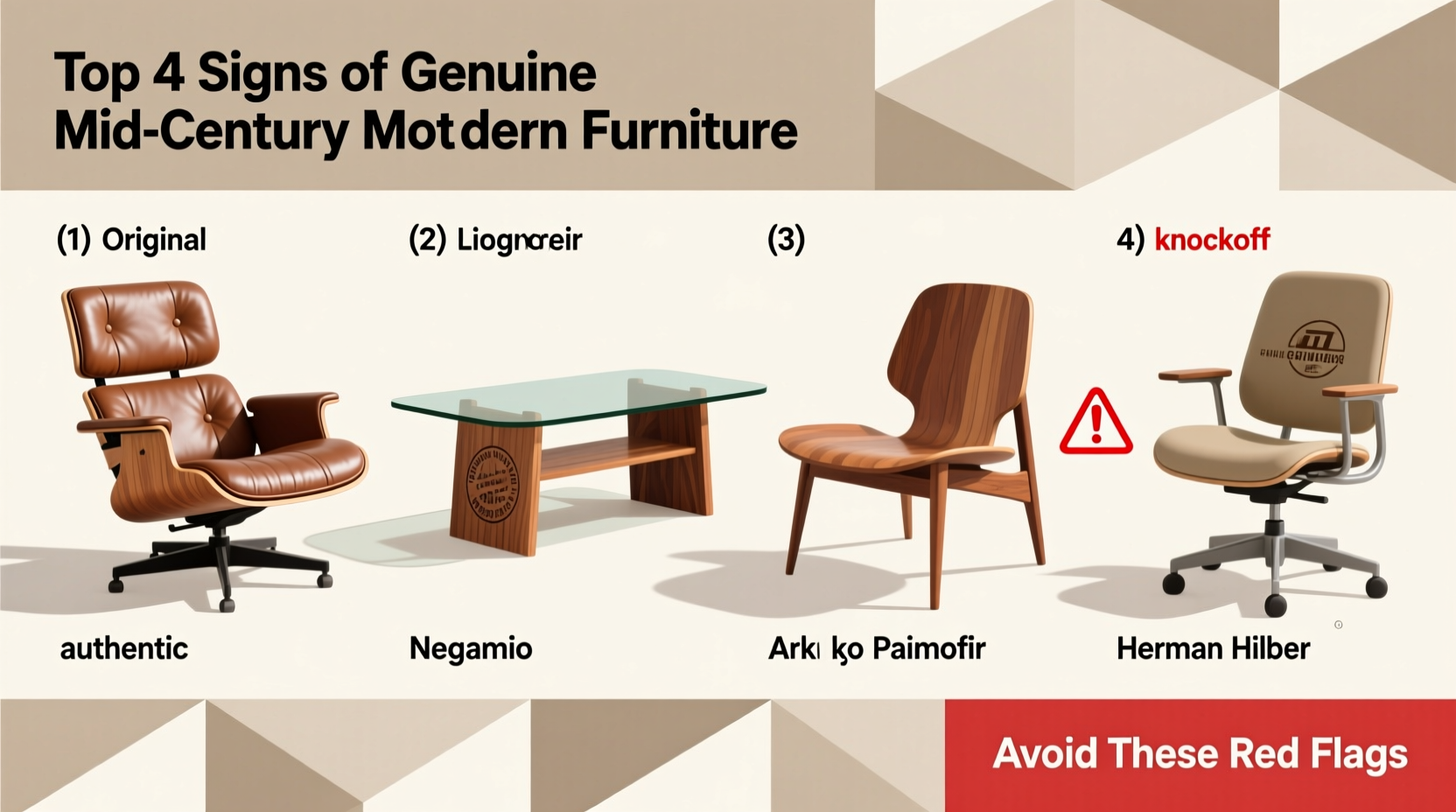
The mid century modern era spanned roughly from the 1940s to the late 1960s. It emerged as a response to post-war optimism and a desire for innovation in both form and function. Designers emphasized simplicity, integration with nature, and the use of new materials. Recognizing the work of key figures is the first step toward identifying authentic pieces.
Prominent designers include:
- Charles and Ray Eames – Known for molded plywood and fiberglass chairs.
- Hans Wegner – Danish master behind the iconic Wishbone Chair.
- Arne Vervoort – Belgian innovator of sculptural wood furniture.
- Eero Saarinen – Designer of the Tulip Table and Womb Chair.
- George Nelson – Creator of the Ball Clock and platform bench systems.
Each of these designers worked with specific manufacturers during their careers—Herman Miller, Knoll, Fritz Hansen, and Carl Hansen & Søn being among the most reputable. An authentic piece will often bear a manufacturer’s label, signature, or production stamp. For example, original Eames lounge chairs produced by Herman Miller feature a metal plaque with the designer’s name and company logo.
“Authenticity in mid century modern design isn’t just about aesthetics—it’s embedded in the craftsmanship, materials, and historical context.” — Dr. Lydia Chen, Curator of 20th Century Design at the Museum of Decorative Arts
Inspect Materials and Construction Techniques
One of the most reliable ways to spot a fake is by examining how the furniture was made. Mid century modern pieces were crafted with precision and an emphasis on durability. Mass-produced knockoffs today often cut corners using cheaper materials and simplified assembly methods.
Wood Quality and Joinery
Genuine mid century furniture typically uses solid hardwoods like teak, rosewood, walnut, and oak. These woods were prized not only for their beauty but also for their stability and resistance to warping. Look for:
- Natural grain patterns that vary across surfaces (a sign of real wood).
- Dovetail, mortise-and-tenon, or finger joints in drawers and frames.
- Minimal use of particleboard or MDF (common in modern reproductions).
Metal and Upholstery Details
For metal components—such as legs, brackets, or bases—original designs used die-cast aluminum, steel, or chromed brass. These materials were finished with care to resist corrosion and maintain luster. Fakes may use hollow tubing or thin sheet metal that dents easily.
Upholstery on vintage originals often features high-density foam and durable fabrics like wool, mohair, or leather. Many reproductions use synthetic blends and low-resilience padding that flatten quickly. Check underneath cushions and seats: original pieces frequently have removable panels secured with buttons or hidden zippers.
Look for Manufacturer Labels and Signatures
Labels are critical evidence of authenticity. While some labels degrade over time, many originals still retain legible stamps, tags, or etchings. Common identifiers include:
| Designer/Brand | Label Location | What to Look For |
|---|---|---|
| Herman Miller (Eames) | Bottom of base or back of chair shell | Metal plaque with “Herman Miller” and model number |
| Knoll (Saarinen) | Underside of table base or chair frame | Leather tag with “Knoll Associates” and copyright symbol © |
| Fritz Hansen (Wegner) | Inside drawer or underside of seat | Stamped paper label with serial number and year |
| Tecno (Gillo Dorfles) | Metal plate near joint connections | Engraved model name and Italian manufacturing mark |
If no label exists, don’t assume the piece is fake—but treat it with caution. Some early prototypes or custom commissions lacked standard labeling. In such cases, provenance (documentation of ownership history) becomes crucial.
Spot the Red Flags: Common Knockoff Tactics
Reproducers have become increasingly skilled at mimicking the look of originals, but they often overlook small details that betray their authenticity. Here are several warning signs:
- Perfect symmetry in wood grain – Real wood varies naturally; if every panel looks identical, it’s likely veneer over engineered board.
- Overly light weight – Genuine teak or walnut pieces are heavy due to solid construction.
- Plastic or rubber feet instead of metal glides – Originals used metal or felt pads for floor protection.
- Missing tilt mechanisms or adjustable features – Functional engineering was central to the design ethos.
- Price too good to be true – A real Eames Lounge Chair rarely sells below $4,000–$6,000 used; anything significantly lower is suspect.
Mini Case Study: The Fake Eames Lounge Chair
In 2021, a collector in Portland purchased what appeared to be a 1956 Eames Lounge Chair from an online marketplace for $1,200. Excited by the bargain, they shipped it home only to discover inconsistencies upon inspection. The plywood shells were thinner than standard, the leather had a plastic-like sheen, and the base lacked the expected stamped label. After consulting a restoration specialist, it was confirmed: the chair was a Chinese-made replica using molded fiberboard instead of layered bent plywood. The buyer lost nearly $1,000 in shipping and fees trying to return it. This case underscores the importance of vetting sellers and verifying physical details before purchase.
Step-by-Step Guide to Verifying Authenticity
Follow this systematic approach when evaluating a potential mid century modern piece:
- Research the model – Use resources like the Herman Miller Archive, Knoll’s product catalog, or books such as *The Furniture of George Nelson* to confirm design lineage.
- Examine the build quality – Inspect joints, finishes, and materials closely. Are screws hidden? Is sanding consistent?
- Locate identifying marks – Search for labels, stamps, or signatures in common locations (undersides, inside drawers, beneath cushions).
- Compare dimensions and proportions – Reproductions often alter scale slightly to reduce costs.
- Consult expert databases – Websites like LiveAuctioneers or Chair4U allow side-by-side comparisons with verified originals.
- Request provenance documentation – Bills of sale, repair records, or previous appraisal reports add credibility.
- Seek third-party verification – Hire a furniture appraiser or contact the manufacturer directly for authentication services.
“Even experienced dealers get fooled. When in doubt, walk away. The right piece will come along.” — Marcus Reed, Vintage Furniture Appraiser with 25 years of experience
Checklist: Before You Buy Mid Century Modern Furniture
Use this checklist to ensure you’re investing in a legitimate piece:
- ✅ Confirmed designer and manufacturer match known models
- ✅ Solid wood or high-grade materials present (no particleboard)
- ✅ Proper joinery techniques visible (dovetails, mortise-and-tenon)
- ✅ Original manufacturer label or stamp located and legible
- ✅ Weight feels substantial and balanced
- ✅ No signs of mass-production shortcuts (uniform grain, plastic parts)
- ✅ Seller provides clear, high-resolution photos of all angles
- ✅ Provenance or supporting documentation available (if applicable)
Frequently Asked Questions
Can a reproduction ever be valuable?
While reproductions generally lack investment value compared to originals, some high-quality licensed reissues (like those from Herman Miller’s Authorized Restoration program) are well-made and carry warranty support. They may hold decent resale value among casual buyers, but they are not collectible in the same way as vintage originals.
How do I know if a label has been added later?
Check for inconsistencies in placement, font, or attachment method. Original labels were often riveted, stamped, or glued during manufacturing. If a paper label appears taped or loosely adhered, investigate further. Compare the label style to authenticated examples online—many brands used specific typefaces and layouts during certain decades.
Is refinishing a vintage piece acceptable?
Light cleaning and conditioning are fine, but full refinishing can diminish value—especially if it removes original patina. Collectors prize natural wear that tells the story of the piece’s life. If restoration is needed, use professionals familiar with period-appropriate techniques and materials.
Final Thoughts: Invest Wisely in Timeless Design
Authentic mid century modern furniture represents more than aesthetic appeal—it embodies a design revolution rooted in integrity, innovation, and craftsmanship. As demand grows, so does the risk of deception. By learning to recognize genuine construction, studying designer signatures, and staying vigilant for red flags, you protect both your budget and your taste.
Whether you're furnishing a home or building a collection, prioritize quality over convenience. Take your time. Do your research. Touch the wood, test the joints, and question the story behind each piece. True mid century modern design deserves nothing less.




 浙公网安备
33010002000092号
浙公网安备
33010002000092号 浙B2-20120091-4
Comments
No comments yet. Why don't you start the discussion?