
Red peppers are among the most versatile and widely used ingredients in global cuisine, yet their diversity often leads to confusion. From sweet bell varieties to fiery chilies, the term “red pepper” encompasses a broad spectrum of flavors, colors, and heat levels. Misidentifying one type for another can transform a balanced dish into an unexpectedly spicy ordeal—or worse, a bland disappointment. Understanding how to accurately identify red peppers is essential for achieving intended flavor profiles, managing heat, and selecting the right ingredient for any recipe. Whether you're shopping at a farmers' market, browsing a supermarket produce aisle, or following an international recipe, this guide equips you with the knowledge to confidently distinguish between red pepper types, understand their culinary roles, and use them effectively.
Definition & Overview
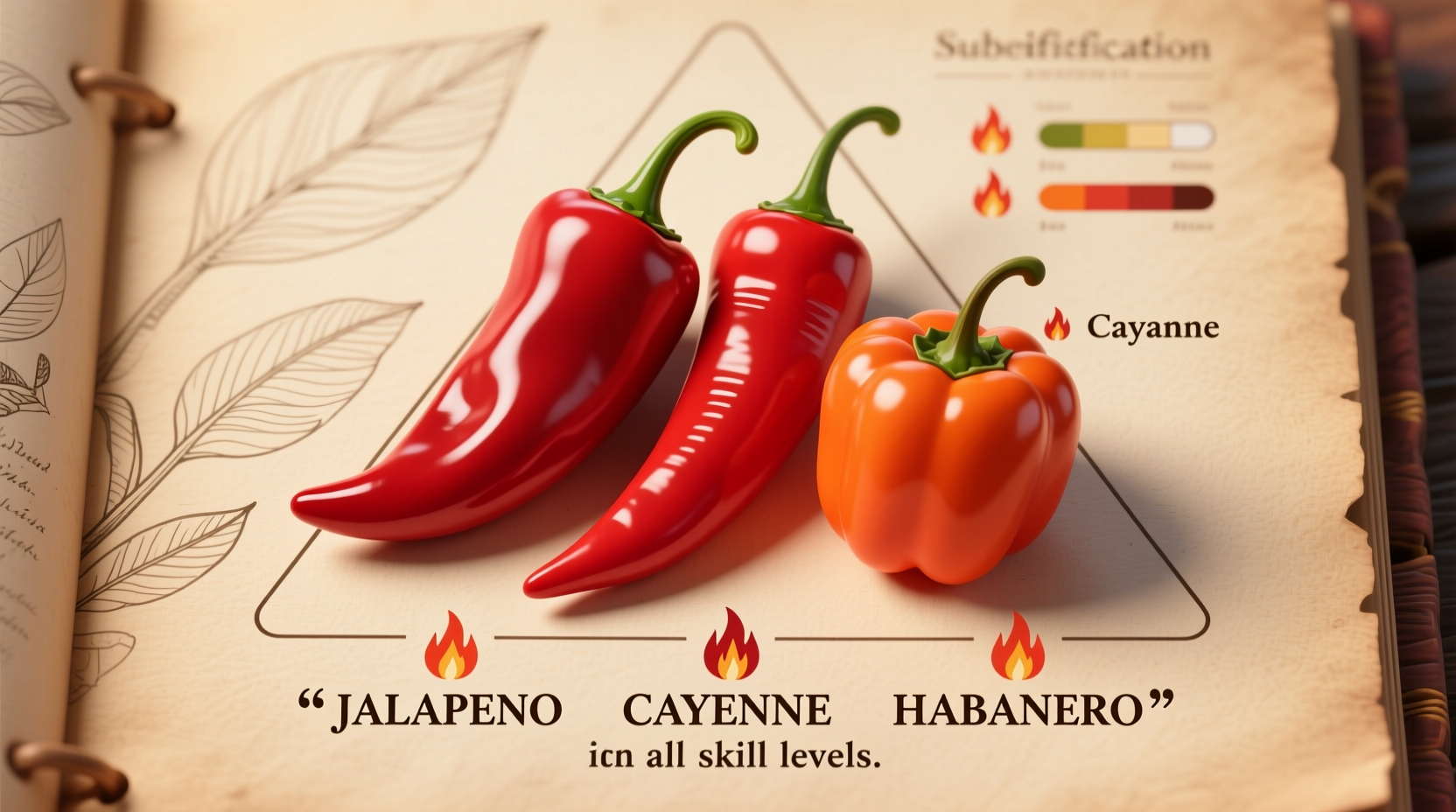
“Red pepper” is a general descriptor that refers to any mature chili or sweet pepper (Capsicum spp.) that has ripened to a red color. This stage typically follows green, yellow, or orange phases in the fruit’s development. While all red peppers belong to the nightshade family (Solanaceae), they vary dramatically in species, size, shape, pungency, and taste. The transition to red indicates full maturity in most cultivars, which generally enhances sweetness, complexity, and, in hot varieties, capsaicin concentration.
The primary genus involved is Capsicum annuum, which includes bell peppers, jalapeños, cayenne, and serranos. Other species such as Capsicum frutescens (tabasco), Capsicum chinense (habanero, ghost pepper), and Capsicum baccatum (aji amarillo) also yield red forms when ripe. Though commonly grouped under “red peppers,” these differ significantly in origin, chemical composition, and culinary application. Historically cultivated in Central and South America, red peppers spread globally through trade routes and now play pivotal roles in cuisines from Mexico to India, Hungary to Thailand.
Key Characteristics
Red peppers share visual similarities but diverge in key attributes. Below is a breakdown of defining characteristics across common types:
| Pepper Type | Flavor Profile | Heat Level (Scoville) | Aroma | Texture | Shelf Life (Fresh) |
|---|---|---|---|---|---|
| Bell Pepper (Red) | Sweet, fruity, slightly grassy | 0 SHU | Fresh, vegetal | Crisp, thick-walled | 7–10 days refrigerated |
| Jalapeño (Red/Ripe) | Grassy, tangy, smoky when roasted | 2,500–8,000 SHU | Pungent, earthy | Firm, moderate thickness | 5–7 days refrigerated |
| Serrano (Red) | Sharp, bright, herbal | 10,000–23,000 SHU | Intensely aromatic | Thin-walled, crisp | 4–6 days refrigerated |
| Cayenne | Sharp, peppery, slightly fruity | 30,000–50,000 SHU | Spicy, warm | Dry, brittle (dried); firm (fresh) | Up to 2 weeks fresh; years dried |
| Habanero (Red) | Tropical fruit, citrus, floral | 100,000–350,000 SHU | Fragrant, perfumed | Thin skin, lantern-shaped | 5–7 days refrigerated |
| Poblano (Ancho when dried) | Earthy, raisin-like, mild | 1,000–2,000 SHU | Smoky, deep | Thick flesh, waxy skin | 7–10 days fresh; years dried |
These variations influence everything from storage methods to cooking techniques. Sweet red peppers like bell varieties are ideal for raw applications, while hotter types benefit from roasting or drying to mellow their intensity and deepen flavor complexity.
Practical Usage
Understanding identification translates directly into effective culinary application. The form and variety of red pepper chosen should align with the desired outcome—be it heat, color, texture, or aroma.
In home cooking, red bell peppers are staples in salads, stir-fries, and stuffed dishes due to their sweetness and structural integrity. Roasting them over flame or under a broiler caramelizes natural sugars, enhancing depth and making them ideal for sauces, dips like romesco, or additions to grain bowls. When using hot red peppers, precision matters. For instance, removing seeds and inner membranes reduces capsaicin load, allowing control over spiciness without sacrificing flavor.
Professional kitchens leverage red peppers both fresh and processed. Chefs often char red jalapeños or poblanos to create chiles rellenos or add smokiness to salsas. In French cuisine, piment d’Espelette—a mild red chili from the Basque region—is finely ground and used as a finishing spice. Thai kitchens rely on small red bird’s eye chilies for intense heat in curries and dipping sauces. Ratio guidance: for every cup of chopped stew or sauce, start with ¼ to ½ teaspoon of minced fresh red chili (e.g., serrano) and adjust upward based on tolerance.
Tip: Always wear gloves when handling extremely hot red peppers like habaneros or ghost peppers. Capsaicin can transfer to eyes, nose, or skin, causing severe irritation. Wash hands thoroughly even after glove removal.
Pairing considerations include balancing heat with fat (e.g., coconut milk in curries), acid (lime juice), or sweetness (pineapple, mango). Red peppers complement garlic, onions, cilantro, cumin, smoked paprika, and tomatoes. They enhance marinades, rubs, soups, stews, pickles, and condiments.
Variants & Types
Red peppers exist in multiple forms beyond the fresh whole fruit. Recognizing these variants ensures proper usage across recipes.
- Fresh Whole: Most common in grocery stores. Includes red bell, jalapeño, serrano, cayenne, and specialty chilies. Best used within a week of purchase.
- Dried: Dehydration concentrates flavor and extends shelf life. Examples: ancho (dried poblano), guajillo, pasilla, and crushed red pepper flakes. Rehydrate in hot water before use or grind into powder.
- Ground/Flakes: Found in spice aisles. Cayenne powder and red pepper flakes are pantry staples. Note: “crushed red pepper” is often a blend of cayenne, serrano, and other dried chilies.
- Roasted & Jarred: Available in oil or brine. Common with red bell peppers and jalapeños (e.g., \"pickled jalapeños\"). Convenient for sandwiches, pizzas, or antipasti.
- Powdered Blends: Includes smoked paprika (made from dried, smoked red peppers), harissa (North African chili paste), and gochujang (Korean fermented red chili paste).
Choosing the right variant depends on context. Dried peppers excel in slow-cooked dishes like mole or chili, where prolonged simmering extracts deep flavor. Fresh peppers shine in salsas, relishes, or quick sautés. Ground forms offer consistency and ease in seasoning blends.
Comparison with Similar Ingredients
Several ingredients are frequently mistaken for red peppers or misused interchangeably. Clarifying distinctions prevents culinary errors.
| Ingredient | True Identity | Key Difference from Red Peppers |
|---|---|---|
| Black Pepper (whole or ground) | Piper nigrum berry | Not related to Capsicum; provides pungency via piperine, not capsaicin; no fruity notes. |
| Paprika (sweet, smoked, hot) | Ground red peppers (usually mild cultivars) | Processed form; varies by type—smoked paprika adds depth without significant heat. |
| Pepperoncini | Mild Italian frying pepper (not a true chili) | Green when immature, turns yellow-red; very low heat, vinegar-brined; tangy rather than spicy. |
| Chili Powder (U.S.) | Blend containing ground chilies, cumin, garlic, etc. | Not pure red pepper; includes spices. Check labels—heat and composition vary widely. |
| Red Chili Flakes | Mixture of dried red chilies (often cayenne-based) | More consistent heat than fresh; faster infusion into oils and sauces. |
One common misconception: “red pepper” in dietary supplements often refers to cayenne or capsaicin extract, not bell peppers. Similarly, “cracked black pepper” should not be confused with “crushed red pepper.” Label reading is critical, especially in spice blends or prepared foods.
Practical Tips & FAQs
How do I tell if a red pepper is sweet or hot?
Check shape and context. Bell peppers are blocky with three or four lobes at the base. Hot varieties tend to be narrower and elongated (like cayenne) or small and tapered (like serrano). If unsure, smell the stem end—hot peppers often emit a sharp, volatile aroma. Never taste a raw unknown chili without protection.
Can I substitute one red pepper for another?
Yes, but consider heat and moisture content. Replace fresh red bell with roasted red pepper in spreads. For heat, use paprika instead of fresh chili in dry rubs. To mimic habanero’s fruitiness without extreme spice, combine a pinch of cayenne with a bit of mango puree.
How should I store red peppers?
Keep fresh peppers in the crisper drawer in a perforated plastic bag. Do not wash until use. Dried peppers and powders should be stored in airtight containers away from light and heat. Properly dried chilies last up to two years; ground spices lose potency after 6–12 months.
Are red peppers healthier than green ones?
Ripe red peppers contain significantly more vitamin C, beta-carotene, lycopene, and antioxidants than their unripe green counterparts. A red bell pepper has nearly three times the vitamin C of a green one. However, green peppers have lower sugar content and are harvested earlier, offering a different nutritional profile.
What causes varying heat levels in red peppers?
Heat is determined by genetics, growing conditions (soil, temperature, water stress), and part of the pepper. Capsaicin is concentrated in the placental tissue (white ribs and seeds), not the flesh. Stress during growth often increases capsaicin production, making some harvests hotter than others.
Storage Checklist:
- Wrap fresh peppers loosely in paper towel inside a container.
- Freeze whole roasted red peppers for up to 6 months.
- Label dried peppers with date and variety.
- Keep powdered red pepper away from stove heat to preserve flavor.
“In my 20 years of teaching Latin American cuisine, the most frequent mistake students make is confusing fresh red chilies by appearance alone. Always check regional naming conventions—what’s called ‘chile rojo’ in Mexico might be a guajillo, while in Spain it could mean dried ñora.”
— Chef Elena Márquez, Culinary Instructor, Instituto Culinario de Oaxaca
Summary & Key Takeaways
Identifying red peppers accurately is a foundational skill that elevates cooking precision and flavor control. These fruits span a vast range—from sweet and crunchy bell peppers to intensely hot habaneros—and each plays a distinct role in the kitchen. Key identifiers include shape, color uniformity, aroma, and regional naming. Understanding Scoville ratings helps manage heat, while recognizing forms (fresh, dried, ground) expands culinary versatility.
Always consider the intended use: raw applications favor sweet, crisp varieties; cooked dishes benefit from the depth of roasted or dried peppers; and spice blends rely on consistent, measured heat. Storage practices directly impact longevity and flavor retention. Substitutions are possible but require attention to heat level, moisture, and flavor notes.
Ultimately, the ability to distinguish red peppers empowers cooks to follow recipes with confidence, experiment creatively, and avoid unintended culinary surprises. Whether building a sofrito, seasoning a stew, or garnishing a taco, choosing the right red pepper makes all the difference.
Next Step: Visit a local market this week and practice identifying three different red peppers by sight, touch, and label. Note their shapes, stems, and packaging clues. Try incorporating one new variety into a dish at home.




 浙公网安备
33010002000092号
浙公网安备
33010002000092号 浙B2-20120091-4
Comments
No comments yet. Why don't you start the discussion?