
Onions are a cornerstone of global cuisine, but not all varieties deliver the same experience. While many onions bring sharpness, pungency, or heat, certain types stand out for their natural sweetness and mildness. For home cooks aiming to elevate salads, sandwiches, salsas, or caramelized dishes without overwhelming the palate, identifying the sweetest onion varieties is essential. These onions offer a delicate balance of sugars and low sulfur compounds, making them ideal for raw applications and slow-cooked preparations alike. Understanding which onions qualify as “sweet” and why they behave differently in recipes can transform everyday meals into refined culinary experiences.
Definition & Overview
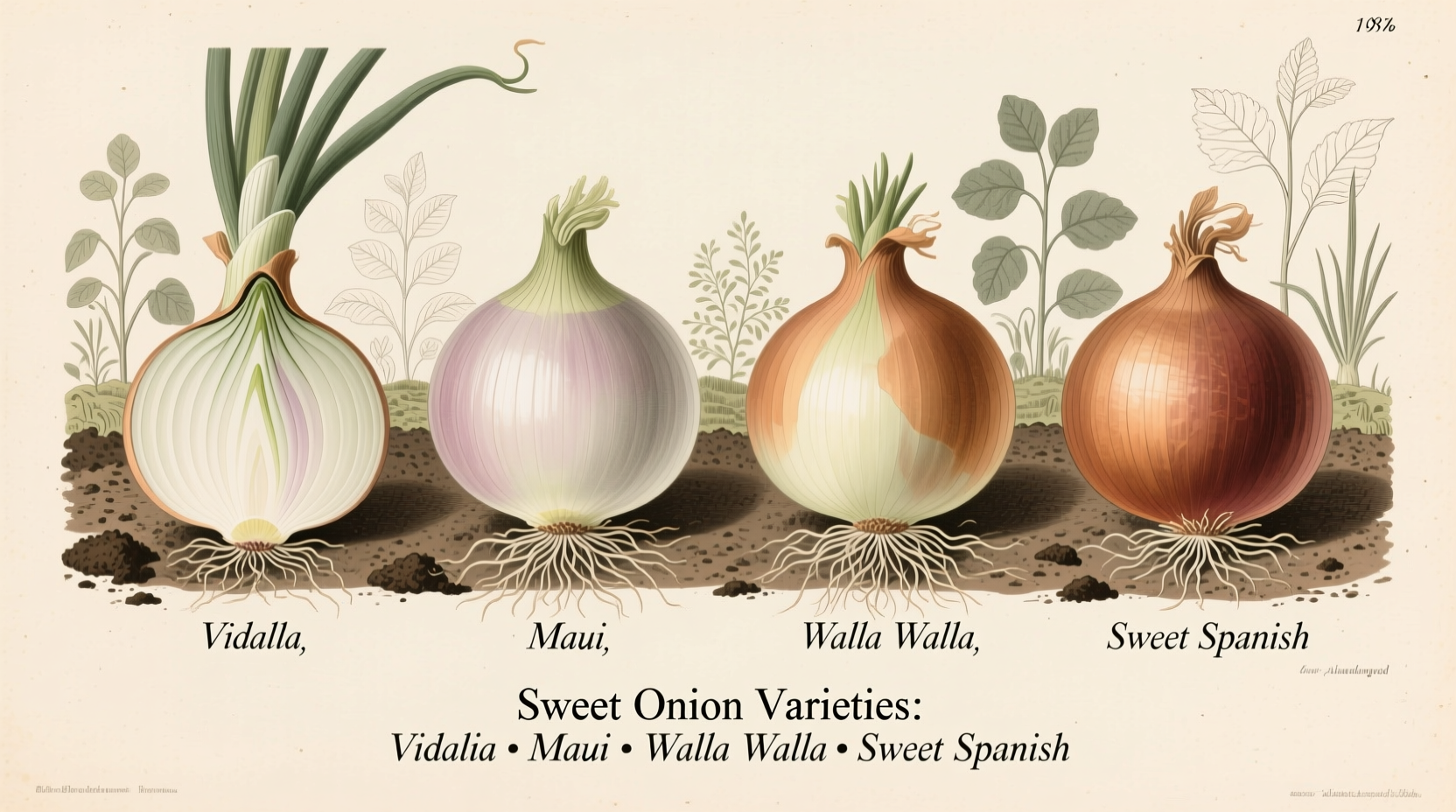
Sweet onions are a category of Allium cepa cultivated specifically for high sugar content and low pyruvic acid levels, which determine pungency. Unlike storage onions such as yellow, white, or red varieties bred for longevity and bold flavor, sweet onions are grown in specific climates with mineral-rich soils—particularly high in sulfur-deficient volcanic or sandy loam—to limit the development of harsh volatile compounds. This results in a milder, juicier bulb with a crisp texture and subtle aromatic profile.
The term “sweet onion” is both a flavor descriptor and a legally protected agricultural designation in some regions. For example, “Vidalia” onions from Georgia, “Walla Walla” from Washington, and “Maui” from Hawaii are trademarked names tied to geographic origin and regulated growing standards. These onions are typically available seasonally, harvested in spring and early summer, and prized for their ability to be eaten raw without causing eye irritation or digestive discomfort.
Sweet onions differ fundamentally from their pungent counterparts not just in taste but in chemical composition. Their lower acidity and higher water content make them less suitable for long-term storage but superior in fresh applications where subtlety and balance are desired.
Key Characteristics of Sweet Onions
The defining traits of sweet onions stem from their unique growing conditions and genetic selection. Below is a breakdown of their core attributes:
| Characteristic | Description |
|---|---|
| Flavor Profile | Noticeably sweet with hints of fruitiness; minimal bite or aftertaste. Can resemble ripe pear or apple when raw. |
| Aroma | Mild and faintly vegetal; lacks the sharp sulfurous odor of traditional onions. |
| Texture | Crisp and juicy when fresh; high moisture content (up to 90%). |
| Color & Form | Typically pale yellow to light tan skin with white to pale yellow flesh; large, flat-round bulbs. |
| Pungency Level | Low pyruvic acid (below 3.0 µmol/g), resulting in minimal eye-stinging during cutting. |
| Culinary Function | Ideal for raw use, grilling, roasting, and caramelizing due to natural sugars. |
| Shelf Life | Short—typically 1–3 weeks refrigerated; not suited for long-term storage. |
Variants & Types of Sweet Onions
While “sweet onion” is often used generically, several distinct cultivars dominate the market—each with regional significance, seasonal availability, and subtle differences in flavor and texture. Recognizing these types allows for more informed shopping and better recipe outcomes.
1. Vidalia Onions (Georgia, USA)
Grown exclusively in southeastern Georgia under strict state regulation, Vidalias are renowned for their honey-like sweetness. The region’s low-sulfur soil inhibits pungency, allowing natural fructose and glucose to dominate. Harvested between late April and early August, they are best consumed within three weeks. Their thin skin and high water content make them fragile but exceptionally flavorful when raw.
2. Walla Walla Onions (Washington, USA)
Cultivated in the fertile valleys of eastern Washington, Walla Wallas are larger and more oval than other sweet onions, often weighing over one pound. Developed from French seed stock in the early 20th century, they have a crisp, juicy bite and a floral sweetness that intensifies when grilled or roasted. Available mid-June through September, they are popular in Pacific Northwest cuisine.
3. Maui Onions (Hawaii, USA)
Grown on the slopes of Haleakalā volcano, Maui onions benefit from rich volcanic soil and consistent tropical climate. They are slightly smaller than Vidalias but equally sweet, with a clean finish and firm texture. Due to import restrictions, true Maui onions are only available domestically in the U.S. during their short March–June harvest window.
4. Texas Sweet (Texas 1015Y, “The Sweet Onion”)
Bred at Texas A&M University, the 1015Y (named for its October 15 planting date) is a hybrid designed for broad adaptability and intense sweetness. It has become a staple in southern U.S. markets from February through May. Less regulated than Vidalia or Maui, “Texas Sweet” is sometimes used as a generic label, so verification of origin is recommended for authenticity.
5. Imperial Sweet (California)
Grown year-round in California’s Central Valley, Imperial Sweets offer consistent quality and moderate sweetness. While not as intensely flavored as Vidalias, they are widely available and serve as a reliable supermarket alternative. Often labeled simply as “sweet onion,” they are a practical choice when regional specialties are out of season.
6. Sweet Red Onions (e.g., Red Bermuda, Sweet Scarlet)
Less common but increasingly available, sweet red varieties combine the visual appeal of purple-red skin with reduced pungency. They retain anthocyanin pigments (antioxidants) while offering a milder bite, making them excellent for garnishes, pickling, and raw platters. Best used within two weeks of purchase.
Tip: When selecting sweet onions, look for firm bulbs with dry, papery skin and no soft spots. Avoid those with sprouting tops or signs of mold, as their high moisture content makes them prone to spoilage.
Comparison with Similar Ingredients
Sweet onions are frequently confused with other mild alliums or misused as substitutes for pungent types. Understanding the distinctions ensures proper application in cooking.
| Ingredient | Differences from Sweet Onions | Best Used For |
|---|---|---|
| Yellow Storage Onion | Higher sulfur content; sharp when raw, sweetens only when cooked. More fibrous and durable. | Soups, stews, sautés, long-cooked sauces. |
| White Onion | Crisper and slightly hotter than yellow; retains bite even when cooked. Common in Mexican cuisine. | Salsas, guacamole, pickled onions, tacos. |
| Red Onion | Bright color and moderate bite; contains more anthocyanins. Standard reds are not sweet unless labeled. | Rohan salads, grilled dishes, vinegar pickles. |
| Shallot | Smaller, elongated, with a garlicky-sweet complexity. Lower water content, more concentrated flavor. | Vinaigrettes, pan sauces, fine dining reductions. |
| Green Onions (Scallions) | Immature onions with hollow green stalks; mild overall but with peppery green ends. | Garnishes, stir-fries, Asian soups, compound butters. |
“True sweet onions are like the dessert course of the allium family—they should surprise you with their delicacy. If you need to cook the bite out, you’re not using a real sweet onion.” — Chef Elena Ruiz, Culinary Instructor, San Francisco Cooking School
Practical Usage: How to Use Sweet Onions in Cooking
The versatility of sweet onions lies in their ability to perform well across raw and cooked applications. However, their high water content and fragility require thoughtful handling.
Raw Applications
Because of their low sulfur levels, sweet onions can be sliced paper-thin and added directly to dishes without pre-treatment. They enhance freshness without dominating other ingredients.
- Salads: Layer into green salads, grain bowls, or tomato-mozzarella caprese for crunch and sweetness.
- Sandwiches & Burgers: Replace raw yellow onion with sweet onion for a milder bite that won’t overpower meats or cheeses.
- Salsas & Relishes: Combine with diced mango, jalapeño, cilantro, and lime for a tropical salsa ideal with fish or grilled chicken.
- Pickling: Quick-pickle in rice vinegar, sugar, and salt for 30 minutes to create a glossy, tangy-sweet garnish.
Cooked Applications
When exposed to heat, the natural sugars in sweet onions caramelize beautifully, developing deep umami notes without burning easily.
- Caramelization: Slice uniformly and cook over medium-low heat in butter or olive oil for 30–45 minutes, stirring occasionally. The result is a jam-like condiment perfect for pizzas, burgers, or cheese boards.
- Roasting: Toss wedges with olive oil, thyme, and sea salt; roast at 400°F (200°C) until golden and tender. Pairs excellently with roasted meats or root vegetables.
- Grilling: Skewer thick slices or place whole small bulbs on the grill. The char enhances sweetness and adds smoky depth.
- Soups & Sauces: While not ideal for long-simmered broths (they break down quickly), they work well in cream-based soups like vichyssoise or blended bisques.
Pro Tip: To maximize flavor retention, add sweet onions late in cooked dishes. For layered flavor, sauté a small amount of yellow onion as a base, then fold in raw or lightly cooked sweet onion at the end.
Pairing Suggestions
Sweet onions complement ingredients that benefit from contrast or enhancement:
- Cheeses: Blue cheese, goat cheese, aged cheddar, and feta.
- Proteins: Grilled salmon, pork tenderloin, roast beef, fried eggs.
- Fruits: Apples, pears, peaches, citrus segments.
- Herbs & Spices: Thyme, tarragon, basil, black pepper, smoked paprika.
Storage, Shelf Life & Substitutions
Due to their high moisture and low sulfur content, sweet onions have limited shelf life compared to storage varieties. Proper handling is critical to preserving quality.
How to Store Sweet Onions
- Keep unpeeled bulbs in a cool, dry, dark place for up to one week.
- For longer freshness (up to three weeks), store in the refrigerator crisper drawer inside a mesh bag or ventilated container.
- Do not store near apples or potatoes, which emit ethylene gas and accelerate spoilage.
- Once cut, wrap tightly in plastic or place in an airtight container; use within 3–4 days.
Freezing Considerations
Freezing alters texture significantly due to water crystallization. While possible for cooked applications (e.g., soups or casseroles), frozen-thawed sweet onions become mushy and are unsuitable for raw use.
Substitutions
If sweet onions are unavailable, consider these alternatives based on context:
- For raw use: Mild white onion soaked in ice water for 10 minutes; shallots finely minced.
- For cooking: Yellow onion slowly caramelized to develop sweetness.
- For appearance and mildness: Red onion briefly marinated in vinegar to reduce bite.
Seasonality Matters
True specialty sweet onions (Vidalia, Walla Walla, Maui) are seasonal. Outside their harvest windows, even reputable brands may sell hybrid or irrigated versions with diminished flavor. When in doubt, taste a small piece before committing to a recipe.
Practical Tips & FAQs
Q: Are sweet onions healthier than regular onions?
A: Nutritionally, sweet and pungent onions are comparable—both provide vitamin C, B6, folate, and antioxidants like quercetin. However, sweet onions’ lower sulfur content may make them easier to digest for sensitive individuals. Their higher sugar content (around 7–9% by weight vs. 4–6% in yellow onions) is offset by water dilution, so caloric difference is negligible.
Q: Why don’t sweet onions make me cry?
A: Cutting any onion releases enzymes that form sulfenic acid, which becomes syn-propanethial-S-oxide—a volatile gas that irritates eyes. Sweet onions produce less of this compound due to low sulfur in their growing soil, reducing tear-inducing vapors significantly.
Q: Can I grow sweet onions at home?
A: Yes, but success depends on soil composition. Use low-sulfur potting mix and select seeds labeled for sweetness (e.g., ‘Vidalia 501’, ‘Walla Walla Sweet’). Plant in early spring and harvest when tops fall over. Note: Homegrown versions may not match commercial intensity unless grown in ideal conditions.
Q: What’s the best way to slice sweet onions for maximum flavor?
A: Cut crosswise (perpendicular to root-tip axis) to minimize cell rupture and juice loss. Use a sharp knife to avoid crushing fibers. For salads, slice no thicker than 1/8 inch; for grilling, cut into 1/2-inch rounds.
Q: Are pearl onions ever sweet?
A: Not typically. Pearl onions are small but genetically closer to pungent varieties. True sweet onions are full-sized bulbs. Some breeders now offer “mini sweet” onions, but these are distinct from traditional pearl types.
Summary & Key Takeaways
Identifying the sweetest onion varieties involves more than taste—it requires understanding geography, seasonality, and biochemistry. True sweet onions like Vidalia, Walla Walla, Maui, and Texas 1015Y are distinguished by low pungency, high sugar, and crisp juiciness, making them unparalleled in raw and caramelized dishes.
Key points to remember:
- Sweetness in onions results from low sulfur soil and selective breeding—not all yellow onions are sweet.
- Regional specialties are seasonal; peak availability is spring through summer.
- They excel raw in salads, sandwiches, and salsas, and caramelize beautifully when cooked.
- Store refrigerated and use within 1–3 weeks for optimal freshness.
- Do not substitute directly for pungent onions in long-cooked dishes without adjusting technique.
Next time you're at the market, skip the generic “yellow onion” and seek out a labeled sweet variety. Taste the difference a truly sweet onion makes—raw on a burger, grilled alongside steak, or slowly caramelized into a savory jam. Your palate will thank you.




 浙公网安备
33010002000092号
浙公网安备
33010002000092号 浙B2-20120091-4
Comments
No comments yet. Why don't you start the discussion?