
When Mike Judge’s *Idiocracy* premiered in 2006, it wasn’t just its bleak vision of a dumbed-down future that sparked conversation—its R rating from the Motion Picture Association of America (MPAA) also raised eyebrows. For a film built on satire and social commentary rather than graphic violence or explicit nudity, many viewers questioned why it wasn’t rated PG-13. The answer lies not in overtly adult visuals but in the cumulative effect of language, thematic elements, and institutional standards governing film classification.
The MPAA’s rating system operates on subjective guidelines, often influenced by frequency and context of objectionable content. While *Idiocracy* contains no sex scenes, minimal violence, and only brief crude imagery, its consistent use of coarse language, sexual references, and irreverent humor pushed it into R-rated territory. Understanding this decision requires unpacking the specific criteria used, analyzing key scenes, and recognizing how satire can clash with mainstream content expectations.
Understanding the MPAA Rating System
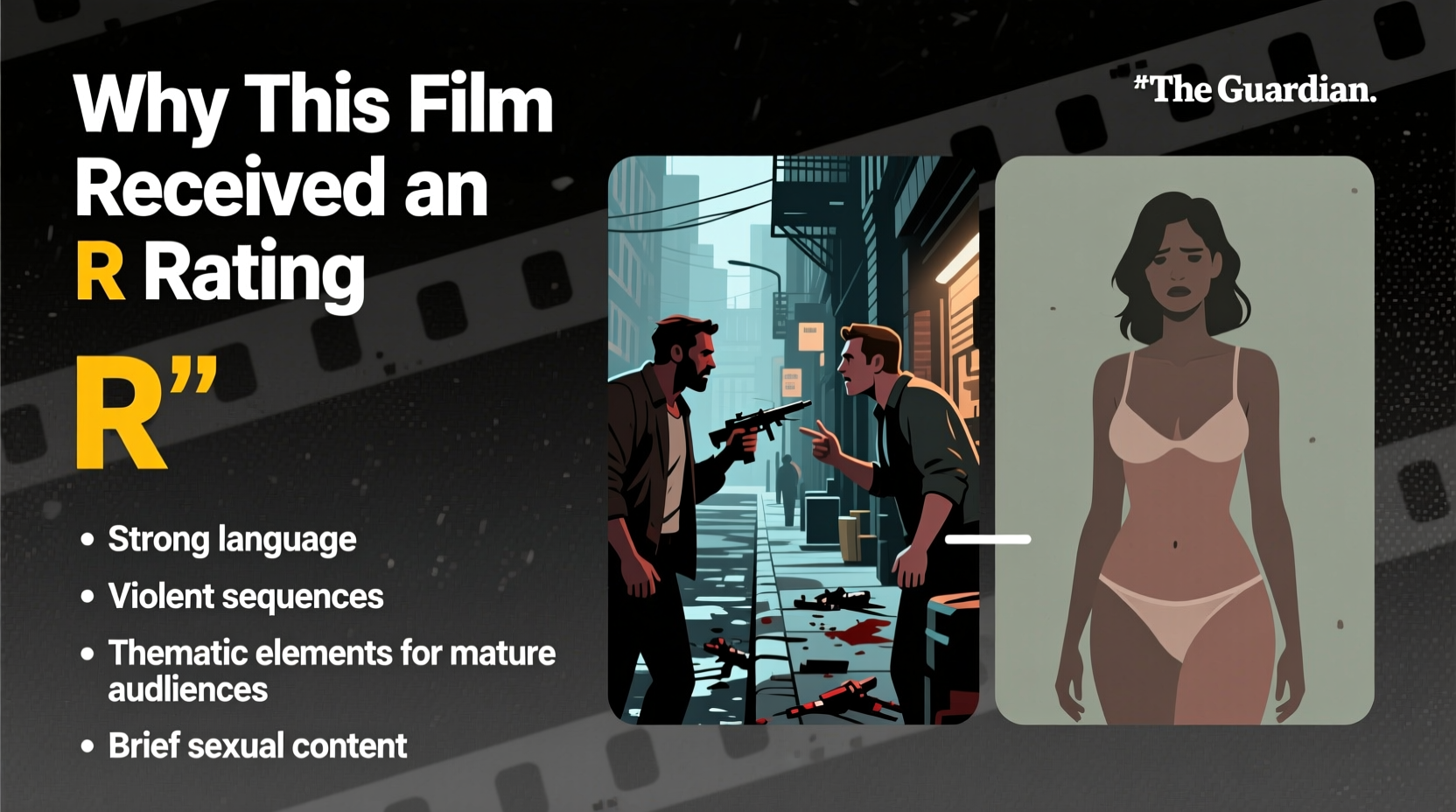
The MPAA assigns ratings based on a combination of factors: language, violence, sexuality, drug use, and thematic intensity. A film earns an R rating if it includes “strong language,” “sexual content,” “violence,” or “drug use” deemed inappropriate for children under 17 without parental guidance. Importantly, it is not always one extreme moment that triggers an R rating—but rather the repetition or intensity of certain elements across the film.
In the case of *Idiocracy*, the board did not cite nudity or gore as primary concerns. Instead, the official reason listed was “crude and sexual content, language, and comic violence.” This broad categorization reflects how tone and consistency play critical roles in classification decisions.
“Satire walks a fine line. When humor relies heavily on vulgarity—even to mock vulgarity—the MPAA often treats it the same as straightforward offensive material.” — David Kipen, former NEA Director of Literature & National Film Critic
Breakdown of Content Leading to the R Rating
To understand the justification, consider the following categories of content present throughout *Idiocracy*:
1. Language and Vulgarity
The film features frequent use of profanity, including multiple uses of the F-word, both in isolation and in sexual contexts. According to internal MPAA standards, more than a handful of non-sexual F-words typically warrants an R; when used in sexual phrasing, even one instance can contribute significantly. *Idiocracy* exceeds these thresholds repeatedly, especially during dialogue involving President Camacho and other bureaucratic figures portrayed as comically inept.
2. Sexual References and Crude Humor
While there is no nudity or simulated sex, the film is saturated with sexual innuendo and anatomical references. Characters discuss reproduction in blunt, reductive terms. One pivotal scene involves a child being conceived through a government-mandated breeding program explained with clinical absurdity. Another shows Joe Bauers waking up in a future where pornographic content has become normalized public entertainment.
These moments are played for laughs, but their sheer number and directness fall under the MPAA’s definition of “sexual content.” The organization tends to penalize films that normalize or casually depict sexual behavior, regardless of intent.
3. Comic Violence and Dystopian Themes
Though cartoonish and non-graphic, the film includes depictions of societal collapse, state-sanctioned stupidity, and physical altercations presented humorously. For example, soldiers are shown dying from dehydration because they drink energy drinks instead of water—a darkly comedic critique of consumerism. The MPAA considers such themes when assessing overall maturity level, particularly when combined with other elements.
Comparison with Similar Films
Placing *Idiocracy* alongside other satirical or dystopian comedies helps contextualize its rating. Consider the table below:
| Film | MPAA Rating | Primary Reasons | Similar Satirical Tone? |
|---|---|---|---|
| Dr. Strangelove | PG (re-rated) | Political satire, nuclear war parody | Yes |
| South Park: Bigger, Longer & Uncut | R | Strong language, sexual humor, animated violence | Yes |
| Tropic Thunder | R | Language, drug use, racial satire | Partial |
| Idiocracy | R | Crude humor, language, sexual content | Yes |
| Don’t Look Up | TV-MA (streaming) | Profanity, political satire | Yes |
Unlike *Dr. Strangelove*, which was initially rated differently due to era-specific standards, modern satires like *Idiocracy* face stricter scrutiny for language and sexual content—even when used ironically. The comparison with *South Park* is telling: both rely on shock-value comedy wrapped in social critique, and both received R ratings for similar reasons.
A Real-World Example: Studio Negotiations and Editing Attempts
According to production notes and interviews with Mike Judge, the studio briefly considered editing *Idiocracy* down to secure a PG-13 rating, hoping for broader box office appeal. Test screenings were held with alternate cuts removing some profanity and trimming sexual references. However, Judge insisted that sanitizing the film would undermine its core message—that society’s descent into ignorance is reflected in its language, media, and values.
He argued that removing the very elements the film critiques would make the satire toothless. In one scene, a courtroom judge bangs a prostitute during recess—an exaggerated metaphor for institutional corruption. Softening such moments would dilute the film’s impact. Ultimately, Fox Searchlight released the original version, accepting limited theatrical reach in favor of artistic integrity.
“When you’re mocking a culture obsessed with base instincts, you can’t do it with clean hands and polite words. The messiness is the point.” — Mike Judge, director of *Idiocracy*
Why PG-13 Wasn’t Feasible: A Step-by-Step Analysis
Had the filmmakers pursued a PG-13 rating, they would have needed to follow a strict revision process:
- Review MPAA Feedback: Analyze the initial rating letter detailing specific instances of concern.
- Edit Profanity: Reduce or bleep out F-words, especially those used in sexual contexts.
- Trim Sexual Dialogue: Remove or rephrase lines referencing reproduction, anatomy, or pornography.
- Modify Visual Gags: Adjust scenes like the “Brawndo = electrolytes” commercial, which mocks advertising but includes suggestive subtext.
- Resubmit for Re-rating: Submit revised cut to MPAA for reassessment, possibly repeating the process.
This process often takes weeks and may still result in an R rating if the board deems the overall tone too mature. Given *Idiocracy*’s reliance on unfiltered absurdity, meaningful changes would have required rewriting entire sequences—essentially creating a different film.
Frequently Asked Questions
Could *Idiocracy* have been rated PG-13 today?
Unlikely. Despite evolving cultural norms, the MPAA remains conservative on cumulative profanity and sexual content. Even in 2024, films with comparable language and themes receive R ratings unless significantly toned down.
Is the R rating justified, given the lack of nudity or violence?
From a technical standpoint, yes. The MPAA evaluates patterns of behavior and language. *Idiocracy* consistently presents a world where crude expression and sexual normalization are default settings—even as satire, this aligns with R-category descriptors.
Does the R rating hurt the film’s message?
In reach, perhaps. The restriction limited its audience during initial release, especially among younger viewers who might benefit most from its cautionary tale. However, its cult status grew over time through streaming and educational use, mitigating early distribution challenges.
Final Thoughts: Artistic Intent vs. Institutional Standards
The R rating for *Idiocracy* serves as a reminder that film classification systems prioritize content over context. What audiences recognize as satire, the MPAA often interprets as endorsement—especially when language and themes remain unchecked. Yet, this very conflict underscores the film’s enduring relevance. Its inability to be “cleaned up” for mass consumption mirrors the real-world resistance to confronting uncomfortable truths about intelligence, education, and media decay.
Mike Judge didn’t set out to make a family-friendly comedy. He crafted a warning disguised as absurdity—one that gains power from its raw, unapologetic presentation. The R rating, far from being a flaw, reinforces the film’s central thesis: in a world that avoids discomfort, even truth-telling humor becomes restricted content.




 浙公网安备
33010002000092号
浙公网安备
33010002000092号 浙B2-20120091-4
Comments
No comments yet. Why don't you start the discussion?