
The IKEA Billy bookcase is one of the most popular pieces of furniture in homes around the world—and for good reason. It’s affordable, widely available, and simple to assemble. But while its minimalist design makes it versatile, many find it underwhelming straight out of the box. The good news? With a few strategic modifications, the humble Billy can be transformed into something that looks custom-built, seamlessly integrated into your walls, and indistinguishable from high-end built-in shelving.
This transformation isn’t just about aesthetics—it’s about maximizing space, improving functionality, and adding long-term value to your home. Whether you’re working with a small apartment, a home office, or a living room that needs storage with style, turning Billy bookcases into built-ins is a smart, cost-effective upgrade.
Why Turn Billy Bookcases Into Built-Ins?
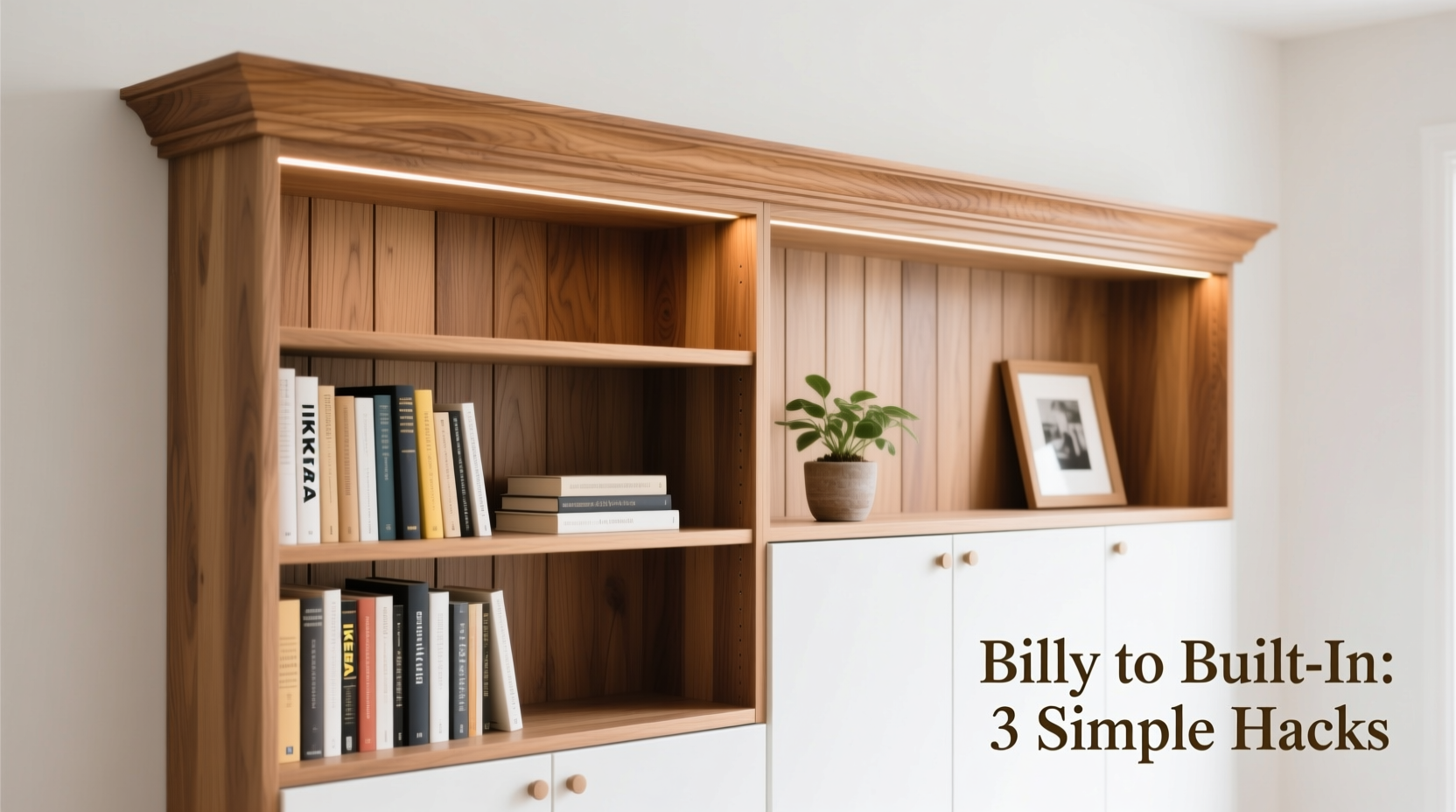
Built-in shelving has long been a hallmark of luxury interiors. Custom cabinetry and floor-to-ceiling units convey permanence, craftsmanship, and attention to detail. But true built-ins can cost thousands of dollars and require professional installation. The IKEA Billy offers a compelling alternative: a blank canvas ready for customization.
By anchoring multiple Billy units together, extending them to the ceiling, adding trim, and painting them to match your walls, you create the illusion of architectural integration. This approach saves money while delivering visual cohesion and increased storage capacity.
“With thoughtful detailing, off-the-shelf furniture like the Billy bookcase can mimic custom millwork at a fraction of the cost.” — Daniel Reeves, Interior Designer & DIY Specialist
Essential Tools and Materials for the Transformation
Before diving into the build, gather the necessary supplies. Most materials are readily available at hardware stores or online, and the tools required are common in any well-equipped workshop.
- Cordless drill with driver bits
- Level and measuring tape
- Miter saw or circular saw (for cutting trim)
- Orbital sander (120–220 grit sandpaper)
- Wood filler and putty knife
- Paintbrushes and foam rollers
- Construction adhesive (e.g., Liquid Nails)
- Finishing nails and nail gun (optional but recommended)
- Wood trim (casing, crown, baseboard—choose based on desired style)
- Primer and paint (semi-gloss or satin for durability)
- L-brackets and drywall anchors (for wall securing)
Step-by-Step Guide: Turning Billy Bookcases Into Built-Ins
Follow this sequence to achieve a seamless, built-in appearance. While the process takes time, each step contributes to a polished, professional result.
- Plan Your Layout
Select the wall space and determine how many Billy units you’ll need. Measure height from floor to ceiling and width of the area. Decide whether to place units side by side, stack vertically, or use a combination. - Prepare the Floor and Wall
Clear the area completely. Check for level—if the floor is uneven, use shims under the base of the bookcase to stabilize it. Mark stud locations with a stud finder for secure mounting. - Join Multiple Units
If using more than one Billy bookcase, align them tightly side by side. Use L-brackets or wooden cleats on the inside back panel to connect them securely. This prevents gaps and wobbling. - Secure to the Wall
Anchor each unit to wall studs using lag screws or heavy-duty drywall anchors. This is critical for safety, especially in homes with children or pets. - Extend to Ceiling (Optional)
If there’s a gap between the top of the bookcase and the ceiling, attach a filler strip made of plywood or MDF. Cut it to fit snugly, then secure with construction adhesive and brad nails. Sand and prime the joint for a seamless transition. - Add Trim Work
Install baseboard along the bottom to lift the unit off the floor visually. Add casing trim around the sides to frame the unit like a window. For a high-end finish, install crown molding at the top where the unit meets the ceiling. - Fill Gaps and Holes
Use wood filler to patch screw holes, seams between units, and any imperfections. Sand smooth once dry. Wipe away dust before priming. - Prime and Paint
Apply a high-adhesion primer suitable for laminate surfaces (like Zinsser Bullseye 1-2-3). Once dry, apply two coats of paint in your chosen finish. Use a roller for flat surfaces and a brush for trim. Consider painting the entire unit the same color as your walls to blend it into the architecture. - Style and Organize
After everything is dry and secure, style the shelves intentionally. Mix books, decorative objects, baskets, and lighting for visual interest. Use risers or vertical dividers to maximize usability.
Design Tips for a High-End Look
The difference between a modified bookshelf and a convincing built-in lies in the details. Focus on continuity, proportion, and finish quality.
- Match the Trim Profile: Choose trim that matches other moldings in the room. Consistency in profile creates harmony.
- Hide the Back Panel: Replace the thin fiberboard back with ¼” plywood painted to match the wall. This eliminates visible seams and adds rigidity.
- Create Zones: Use adjustable shelves to designate areas—for example, open shelving on top, closed cabinets below using doors from IKEA’s Bestå line or custom-made fronts.
- Incorporate Lighting: Add LED strip lights under upper shelves or inside deep cubbies. Battery-powered puck lights are easy to install and enhance ambiance.
- Break Up Large Runs: For wide installations, insert a narrow vertical divider (e.g., a 2x2 painted column) every 4–6 feet to avoid a monolithic look.
Comparison: Stock Billy vs. Built-In Hack
| Feature | Stock Billy Bookcase | Built-In Hack Version |
|---|---|---|
| Appearance | Standalone, temporary | Integrated, permanent |
| Wall Attachment | Basic anti-tip strap | Secured to studs with brackets |
| Finish | Laminate, limited colors | Custom paint and trim |
| Height | Fixed (typically 79” or 105”) | Extended to ceiling |
| Cost (per unit) | $60–$120 | $150–$250 (with materials) |
| Installation Time | 30 minutes | 6–12 hours |
Mini Case Study: A Home Office Transformation
Sarah, a freelance writer in Portland, needed functional storage for her compact home office. The room measured just 10x12 feet, and she wanted to avoid clutter while maintaining an inviting atmosphere. She purchased three IKEA Billy bookcases—two tall units and one wider low cabinet—and arranged them across the longest wall.
She joined the units together, secured them to studs, and added a plywood top extension to reach the ceiling. Using pine crown molding and matching baseboard, she framed the entire assembly. After filling joints and sanding, she primed and painted everything in Benjamin Moore’s “Chantilly Lace,” blending it perfectly with the walls.
To improve usability, she installed adjustable shelf pins and used only four shelves per unit, leaving space for binders, lamps, and plants. Under-shelf LED strips provided task lighting. The final result looked like a custom library nook, doubling as a display area for her favorite books and art prints.
“People assume it was part of the house,” Sarah said. “It took me two weekends, but now I have a space I’m proud to show clients on video calls.”
Checklist: Your Built-In Billy Project Roadmap
Stay organized with this actionable checklist to ensure nothing is missed during your project.
- Measure wall space and ceiling height
- Purchase Billy bookcases and matching trim
- Gather tools and safety gear
- Mark stud locations on the wall
- Assemble and join bookcases if needed
- Secure units to wall studs
- Add ceiling filler if required
- Cut and install baseboard, side casing, and crown molding
- Fill gaps and sand smooth
- Prime and paint all surfaces
- Add lighting or interior upgrades
- Style shelves with books and decor
Frequently Asked Questions
Can I paint the Billy bookcase without sanding?
You can, but light sanding with 120-grit paper improves adhesion. Laminate surfaces are slick, so a de-glosser or high-bond primer is essential even if you skip sanding.
How do I make the bookcase look built-in if my ceiling isn’t flat?
For vaulted or uneven ceilings, use flexible foam crown molding or cut custom filler pieces from tapered wood strips. These can be shaped to follow the contour and still provide a clean finish.
Is it safe to mount a Billy bookcase without studs?
No. While drywall anchors can support light loads, full bookcases—especially when loaded with books—must be anchored to wall studs. Use at least two lag screws per unit for safety.
Conclusion: Elevate Your Space with Smart Design
The IKEA Billy bookcase doesn’t have to remain a utilitarian afterthought. With careful planning and attention to detail, it becomes the foundation of a transformative upgrade—one that enhances both function and aesthetic appeal. These hacks prove that high design doesn’t require a high budget; it demands creativity, patience, and a willingness to go beyond the instructions.
Whether you're creating a home library, organizing a media room, or designing a sleek office nook, turning Billy bookcases into built-ins is a rewarding project that pays dividends in daily life. The result isn’t just better storage—it’s a personalized space that feels intentional, cohesive, and uniquely yours.




 浙公网安备
33010002000092号
浙公网安备
33010002000092号 浙B2-20120091-4
Comments
No comments yet. Why don't you start the discussion?