
The line between budget-friendly and high-end isn’t as rigid as it once was—especially when it comes to home furnishings. The IKEA Billy bookcase has long been a staple in homes worldwide for its affordability, ease of assembly, and functional design. But while it serves its purpose well, many homeowners wonder: can an inexpensive piece like the Billy truly compete with custom-built shelving? More importantly, can you transform basic furniture into something that looks rich, intentional, and designer-curated?
The answer is yes—but only if you approach it with strategy, attention to detail, and a few clever interior design principles. This guide explores the real differences between the IKEA Billy and custom shelving, then dives into actionable methods to elevate affordable furniture so it feels luxurious, cohesive, and timeless.
Understanding the Core Differences: Billy vs. Custom
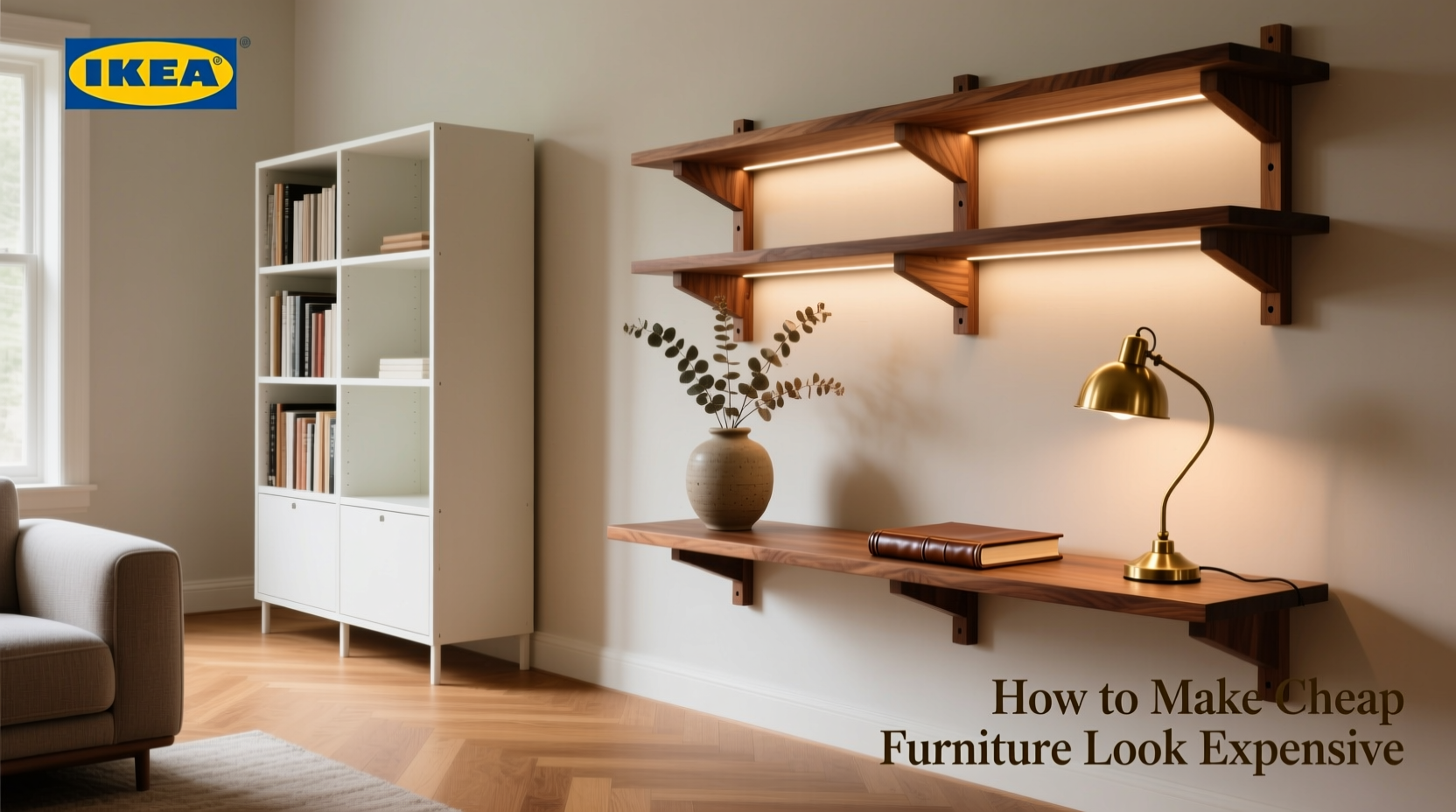
Before attempting to bridge the gap between mass-produced and bespoke, it's essential to understand what separates them at their foundation.
| Feature | IKEA Billy Bookcase | Custom Shelving |
|---|---|---|
| Cost | $50–$150 per unit | $500–$3,000+ (depending on size/material) |
| Material Quality | Particleboard with foil or veneer finish | Solid wood, plywood, or MDF with premium finishes |
| Installation | DIY flat-pack; requires anchoring | Professionally installed; often wall-mounted or built-in |
| Design Flexibility | Fixed dimensions; limited color/size options | Fully customizable height, depth, spacing, and finish |
| Durability | Moderate; prone to sagging over time without reinforcement | High; engineered for load-bearing and longevity |
| Aesthetic Integration | Generic; may look out of place in elevated interiors | Seamless; designed to match room architecture and decor |
The data shows a clear divide: custom shelving wins in quality, durability, and integration. However, this doesn’t mean the Billy is inherently inferior—it just means it needs thoughtful enhancement to perform beyond its factory limitations.
Transforming the IKEA Billy: A Step-by-Step Upgrade Guide
You don’t need to replace your Billy bookcase to get a luxury look. With targeted modifications, you can dramatically improve both appearance and performance. Follow this sequence for best results:
- Reinforce the structure. The Billy’s shelves often bow under heavy loads. Insert wooden supports (like pine strips) underneath each shelf or upgrade to thicker back panels using ¼” hardboard cut to size and glued in place.
- Replace plastic components. Swap out flimsy adjustable shelf pins with brass or metal ones available from hardware stores. This small change adds weightiness and precision to adjustments.
- Fill and sand imperfections. Use wood filler on edge banding gaps or chipped corners. Sand smooth and prime before painting for a seamless finish.
- Paint or refinish. Ditch the beige laminate. Apply a coat of high-gloss lacquer, matte emulsion, or even limewash for character. Two-tone treatments (e.g., dark inside, light outside) add depth.
- Add crown molding or trim. Attach simple wood molding to the top to mimic built-in cabinetry. Secure with brad nails and caulk joints for a clean, architectural look.
- Upgrade hardware. Add leather pulls, brass knobs, or fabric-wrapped handles to introduce tactile luxury.
- Anchor properly. Ensure the unit is securely fastened to wall studs—not just drywall anchors—to eliminate wobble and enhance safety.
These steps shift perception. What was once seen as disposable becomes intentional, refined, and integrated into the space.
Design Psychology: How to Make Cheap Furniture Look Expensive
Perceived value in furniture isn’t solely about materials—it’s about context, proportion, and curation. Designers leverage psychological cues to make even modest pieces feel upscale.
- Symmetry and alignment matter. Position the Billy so it aligns perfectly with adjacent furniture or architectural features (windows, door frames). Misalignment suggests carelessness.
- Use negative space. Don’t overcrowd shelves. Leave breathing room between objects. Luxury implies restraint, not clutter.
- Incorporate texture contrast. Pair the smooth painted surface with woven baskets, linen boxes, or ceramic vases. Texture signals thoughtfulness.
- Elevate the contents. Display hardcover books spine-out, art objects on stands, or framed photos. Avoid visible plastic storage bins unless disguised.
- Light it right. Install LED strip lighting under shelves or use a focused floor lamp. Strategic illumination draws attention and creates ambiance.
“Luxury isn’t purchased—it’s composed. It’s the sum of proportion, finish, and presence.” — Lena Torres, Interior Architect & Sustainable Design Advocate
Real Example: From Dorm Room Relic to Living Room Focal Point
Consider Sarah, a young professional renting a downtown apartment. She bought two Billy bookcases during college and used them for textbooks and shoes. When she moved into her new loft-style living room, she wanted a media console and display area but couldn’t justify $2,000 for custom millwork.
Instead, she spent $120 and one weekend upgrading both units:
- Joined them side-by-side and filled the seam with wood filler and paint.
- Added 2” thick oak crown molding across the top, creating a built-in effect.
- Painted the entire unit in deep charcoal with matte finish; lined the back panels with gold leaf wallpaper for subtle shimmer.
- Installed soft-close hinges on the glass-door add-ons (sold separately by IKEA).
- Used matching woven bins for hidden storage and styled the open shelves with curated books and handmade pottery.
The result? Guests assumed the unit was custom-made. Her landlord approved the changes because they were reversible. Total investment: less than 5% of a comparable custom solution.
Checklist: How to Elevate Any Budget Furniture
Apply this checklist to any affordable furniture piece—Billy or otherwise—to increase perceived value:
- ✅ Reinforce weak joints or sagging parts
- ✅ Replace low-quality hardware (knobs, pins, glides)
- ✅ Paint or refinish with high-end-looking colors (navy, sage, black, warm white)
- ✅ Add architectural details (molding, trim, plinth base)
- ✅ Style intentionally—edit ruthlessly
- ✅ Integrate lighting (under-shelf LEDs, directional lamps)
- ✅ Anchor securely to the wall for stability and professionalism
- ✅ Match the piece to the room’s color temperature (warm wood tones with warm lighting, etc.)
When to Choose Custom Shelving Instead
While upgrades can work wonders, there are situations where investing in custom shelving makes more sense:
- Irregular spaces. Angled walls, sloped ceilings, or niches require tailored solutions.
- Heavy-duty storage. If you’re storing large collections (vinyl records, archives), custom units with reinforced beams and deeper shelves offer better support.
- Long-term ownership. Homeowners planning to stay 5+ years often recoup costs through increased property appeal.
- Design cohesion. In high-end renovations, mismatched off-the-shelf units disrupt flow—even when upgraded.
That said, modular systems like the Billy still have merit. They’re portable, replaceable, and ideal for renters or those testing layout ideas before committing.
Frequently Asked Questions
Can I paint my IKEA Billy bookcase without sanding?
You can, but results vary. For lasting adhesion, lightly sand the surface with 120-grit paper, wipe clean, apply a gripping primer (like Zinsser Bulls Eye 1-2-3), then finish with latex or enamel paint. Skipping prep increases risk of peeling.
How do I stop my Billy shelves from sagging?
Insert hardwood stiffeners underneath each shelf—pine or poplar strips work well. Alternatively, reduce span by adding vertical dividers or install a center support post. Also, avoid placing heavy items at the front edge.
Is it worth adding glass doors to the Billy?
Yes—if you want a more formal look or need dust protection for collectibles. IKEA sells compatible glass door inserts. For a higher-end effect, consider replacing them later with custom-framed glass panels from a local glazier.
Final Thoughts: Value Is Built, Not Bought
The debate between IKEA Billy bookcases and custom shelving isn’t really about which is “better.” It’s about understanding your priorities: budget, timeline, permanence, and aesthetic goals. The Billy offers accessibility and flexibility; custom shelving delivers permanence and precision.
But here’s the truth most retailers won’t tell you: much of what we perceive as “expensive” comes down to execution, not origin. A well-painted, carefully styled, structurally sound Billy can outshine a poorly integrated custom unit. Conversely, a rushed DIY job on even the finest materials will look amateurish.
What matters most is intentionality. Take the time to reinforce, refine, and curate. Treat your furniture not as a finished product, but as a starting point. Whether you’re working with $100 or $10,000, the principles of balance, quality detailing, and thoughtful presentation remain the same.




 浙公网安备
33010002000092号
浙公网安备
33010002000092号 浙B2-20120091-4
Comments
No comments yet. Why don't you start the discussion?