
In commercial kitchens and high-end restaurants across the world, a quiet revolution is underway. The familiar blue flames of gas ranges are being replaced—not by electric coils or halogen burners, but by sleek, responsive induction cooktops. Once considered a niche technology for home cooks, induction has now earned its place on the stovetops of Michelin-starred chefs and elite culinary institutions. What’s behind this shift? It’s not just about sustainability or modern design—it’s about precision, control, speed, and safety that simply outperform traditional gas.
The debate between induction and gas isn’t new, but recent advancements in induction technology have tipped the balance. Chefs who once swore by the visual cues of a flickering flame now praise the instant feedback and consistent heat delivery of magnetic induction cooking. As energy codes tighten and kitchen ventilation becomes more complex, the operational benefits of induction are becoming impossible to ignore.
How Induction Cooking Works: A Chef’s Perspective
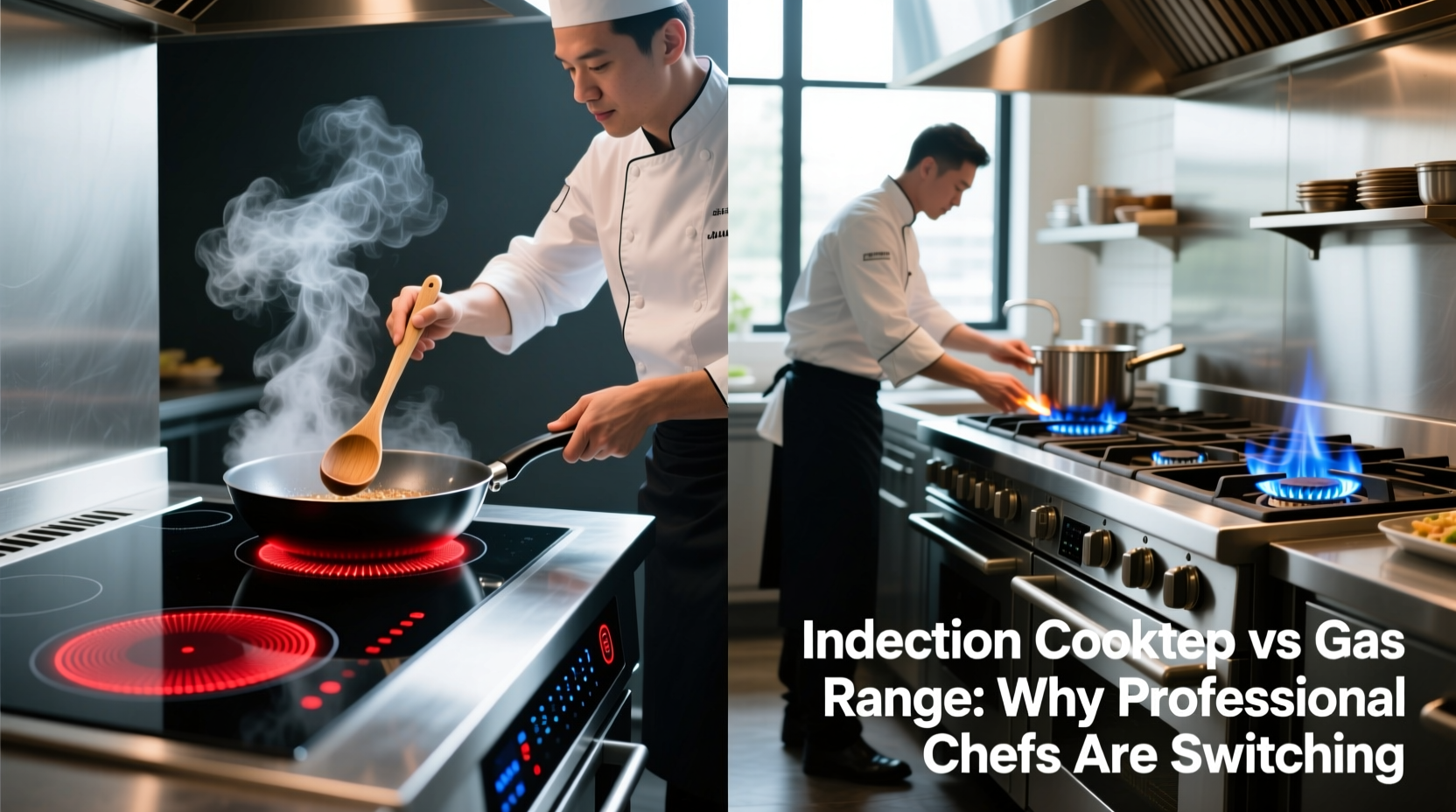
Unlike gas or traditional electric cooktops, induction doesn’t generate heat directly. Instead, it uses electromagnetic fields to activate the cookware itself. When a magnetic pan—typically cast iron or magnetic stainless steel—is placed on the surface, an alternating current passes through a copper coil beneath the glass, creating a magnetic field that induces rapid molecular vibration in the metal. This generates heat within the pan, not the cooktop.
The result? Immediate response. Turn down the power, and the pan cools almost instantly. Crank it up, and you achieve searing temperatures in seconds. There’s no residual heat lingering on the surface after removal of the pot, which drastically reduces accidental burns and makes cleanup easier.
This direct energy transfer means up to 90% of the energy is used for cooking, compared to only 40–55% with gas. That efficiency translates into faster boiling times, reduced ambient heat in the kitchen, and lower utility costs over time—critical factors in commercial operations where every second and every dollar counts.
Performance Comparison: Precision, Speed, and Control
Chefs live by consistency. Whether reducing a delicate sabayon or searing duck breast to perfect crispness, temperature control is non-negotiable. Gas ranges have long been praised for their tactile feedback—the visible flame allows experienced cooks to estimate heat levels intuitively. But induction surpasses this with digital precision.
Modern induction units offer precise wattage and temperature settings, often down to single-degree increments. Some models even integrate with smart kitchen systems, allowing chefs to program exact cooking sequences. For tasks like sous-vide prep or tempering chocolate, this level of accuracy is transformative.
Boiling water is a simple but telling test. On a standard gas burner, a liter of water takes approximately 8–10 minutes to reach boiling. On a high-power induction cooktop, the same task can be completed in under 4 minutes. In a busy service environment, that kind of time savings compounds across dozens of pots and pans every hour.
“Induction gives me the responsiveness of gas with the precision of a lab instrument. I can hold a sauce at exactly 185°F without fear of scorching.” — Chef Lena Torres, Executive Chef at Alima Restaurant, San Francisco
Key Performance Differences at a Glance
| Feature | Induction Cooktop | Gas Range |
|---|---|---|
| Heat-Up Time | Instant (pan heats directly) | Slower (flame must heat pan) |
| Temperature Control | Digital, precise, immediate | Analog, visual estimation |
| Energy Efficiency | ~90% | ~40–55% |
| Ambient Kitchen Heat | Low (no open flame) | High (radiant heat from burners) |
| Safety | Surface stays cool; auto-shutoff | Open flame; risk of gas leaks |
| Cleanup | Smooth glass, wipe clean | Grates and burners require disassembly |
Real-World Shift: Case Study from a Fine Dining Kitchen
At Briolet, a contemporary French bistro in Portland, Oregon, the transition from gas to induction began as a pilot project in 2021. Faced with rising natural gas prices and a need to reduce kitchen cooling loads during summer months, owner and head chef Marcus Reed retrofitted two induction zones into his line cook station.
Within weeks, the entire team requested more induction units. Sous chefs noted faster reductions and better emulsion stability in butter-based sauces. Line cooks appreciated the lack of flare-ups when adding wine to hot pans. Even the dishwasher staff reported fewer burnt-on residues due to quicker cooldown times.
By 2023, Briolet had fully transitioned to an all-induction setup—except for one specialty wok station. “We thought we’d miss the flame,” Reed admitted. “But once we trained the team on proper pan movement and heat layering, we realized induction actually gave us more control. Our food became more consistent, our energy bill dropped 22%, and we’ve had zero fire incidents since the switch.”
Safety and Sustainability: Why Kitchens Are Making the Change
Safety is a top concern in any professional kitchen. Open flames pose inherent risks—unattended pots, grease fires, gas leaks, and carbon monoxide emissions. While ventilation systems mitigate some dangers, they add cost and complexity. Induction eliminates most of these hazards.
No combustion means no indoor air pollutants. Studies show that homes and restaurants using gas stoves can have nitrogen dioxide levels exceeding outdoor pollution standards. Induction produces zero emissions at the point of use, making it safer for both staff and diners—especially important in enclosed or poorly ventilated spaces.
From a sustainability standpoint, induction aligns with broader industry trends toward electrification and decarbonization. Cities like Berkeley and New York have already banned natural gas hookups in new buildings. As building codes evolve, restaurants investing in gas infrastructure today may face costly retrofits tomorrow.
Step-by-Step Guide to Transitioning Your Kitchen to Induction
- Assess Power Requirements: Induction units require dedicated 240V circuits. Consult an electrician to evaluate your current load capacity.
- Test Key Workflows: Pilot one or two induction zones for common tasks (boiling, sautéing, simmering) to gauge performance.
- Evaluate Cookware Compatibility: Audit your existing pots and pans. Replace non-magnetic items with induction-ready alternatives.
- Train Staff: Host hands-on sessions to teach heat responsiveness, pan selection, and cleaning protocols.
- Scale Gradually: Replace gas units incrementally based on usage patterns and budget.
- Monitor Outcomes: Track energy use, cooking times, maintenance needs, and staff feedback over 3–6 months.
Common Misconceptions About Induction Cooking
Despite its growing adoption, several myths persist about induction technology:
- “It doesn’t get hot enough for searing.” High-output commercial induction units exceed 3,700 watts, achieving temperatures rivaling restaurant broilers.
- “Only certain pans work.” While true that non-magnetic materials won’t function, most professional-grade stainless steel and cast iron are fully compatible.
- “It’s too expensive.” Upfront costs are higher, but savings in energy, ventilation, and insurance premiums often offset the investment within 2–3 years.
- “It makes a buzzing noise.” Some units emit a faint hum under heavy load, but newer models feature silent operation modes and improved magnetics.
“We used to think gas was irreplaceable in fine dining. Now, we see induction not as a compromise, but as an upgrade—one that supports both culinary excellence and environmental responsibility.” — Dr. Anita Patel, Culinary Technology Researcher, Institute for Sustainable Kitchens
FAQ: Answering Key Questions from Professional Kitchens
Can induction replicate the flavor of gas-cooked food?
Flavor comes from ingredients, technique, and heat management—not the fuel source. Maillard reactions, caramelization, and deglazing occur identically on induction if temperature and timing are controlled properly. Many chefs report indistinguishable results once adjusted to the equipment.
Do I need to replace all my cookware?
Not necessarily. If your pans are made of magnetic stainless steel, enameled cast iron, or carbon steel, they will likely work. Test each piece with a magnet. Non-magnetic aluminum, copper, or glassware will not function unless equipped with an induction disk (less efficient).
Is induction reliable during power outages?
Like any electric appliance, induction requires continuous power. However, most commercial kitchens already rely on backup generators for refrigeration and lighting. Adding induction to emergency power plans ensures continuity during short outages.
Checklist: Is Your Kitchen Ready for Induction?
- ✅ Confirm access to 240V electrical circuits
- ✅ Inventory current cookware for magnetic compatibility
- ✅ Evaluate ventilation system workload reduction potential
- ✅ Budget for initial installation and possible panel upgrades
- ✅ Schedule training for kitchen staff
- ✅ Identify pilot zone for testing (e.g., sauce station or prep area)
- ✅ Research local incentives for energy-efficient appliances
Conclusion: The Future of Professional Cooking Is Here
The shift from gas to induction among professional chefs isn’t a passing trend—it’s a strategic evolution driven by performance, safety, and long-term viability. While gas once reigned supreme for its immediacy and familiarity, induction now offers superior responsiveness, cleaner operation, and greater alignment with modern environmental and health standards.
Top-tier kitchens aren’t abandoning tradition; they’re refining it. With induction, chefs gain unprecedented control over the cooking process, reduce operational risks, and future-proof their facilities against tightening regulations. As technology continues to improve and awareness grows, induction is poised to become the standard in professional culinary environments worldwide.




 浙公网安备
33010002000092号
浙公网安备
33010002000092号 浙B2-20120091-4
Comments
No comments yet. Why don't you start the discussion?