
Constipation in infants is a frequent concern for parents, especially during the first year of life. While occasional difficulty passing stools can be normal, persistent or painful bowel movements may signal an underlying issue. Understanding the causes, recognizing early signs, and knowing how to respond safely can ease discomfort for your baby and reduce parental anxiety. This guide offers practical, evidence-based information to help you navigate infant constipation with confidence.
What Is Infant Constipation?
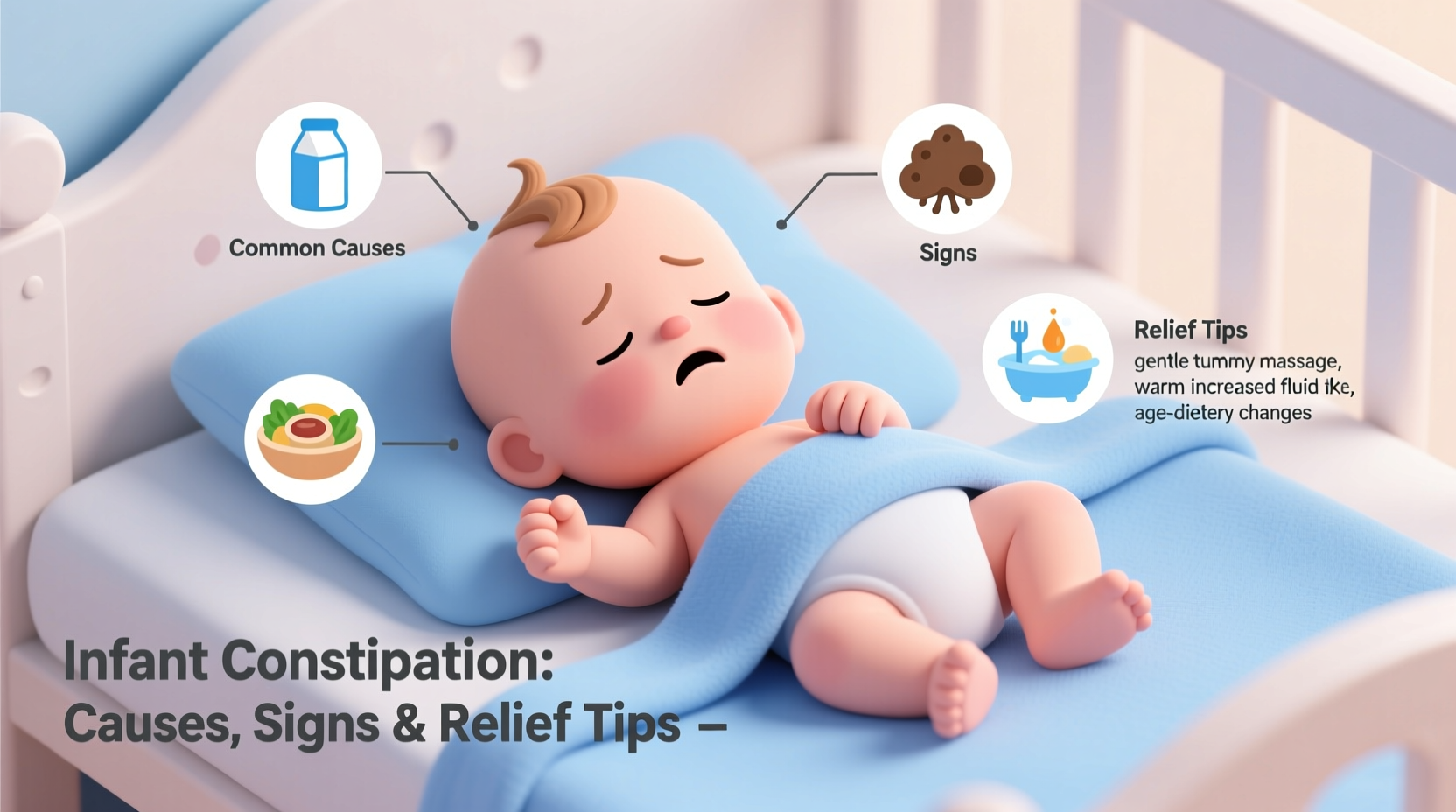
Constipation in babies isn't always about frequency. Unlike adults, infants—especially breastfed ones—can go several days without a bowel movement and still be healthy. True constipation involves hard, dry stools that are difficult or painful to pass, often accompanied by irritability, bloating, or changes in feeding patterns.
The American Academy of Pediatrics (AAP) defines infant constipation as infrequent bowel movements with hard stools, straining, or discomfort during defecation. It’s more commonly observed after introducing solid foods or transitioning from breast milk to formula.
Common Causes of Infant Constipation
Babies develop constipation due to a mix of physiological, dietary, and developmental factors. Identifying the root cause is key to effective relief.
- Dietary changes: Introducing solids, especially low-fiber foods like rice cereal, bananas, or applesauce, can slow digestion.
- Formula composition: Some iron-fortified formulas may contribute to firmer stools in sensitive infants.
- Dehydration: Not getting enough fluids—common in hot weather or when starting solids—reduces moisture in the stool.
- Milk protein intolerance: A small percentage of babies react to cow’s milk proteins in formula or passed through breast milk.
- Holding it in: As babies grow, they may delay bowel movements due to discomfort or distraction, leading to stool retention.
- Underlying medical conditions: Rarely, constipation can indicate Hirschsprung’s disease, hypothyroidism, or metabolic disorders.
“While most infant constipation is benign and diet-related, chronic cases warrant evaluation to rule out anatomical or neurological causes.” — Dr. Lena Patel, Pediatric Gastroenterologist
Recognizing the Signs of Constipation
Symptoms vary by age and feeding method. Watch for these red flags:
| Sign | Description | When to Be Concerned |
|---|---|---|
| Hard, pebble-like stools | Stools resemble small pellets or are very firm | Frequent occurrence; baby strains excessively |
| Straining and crying during bowel movements | Facial redness, grunting, or arching back | Pain lasts more than a few minutes |
| Bloating and gas | Swollen abdomen, excessive farting | Accompanied by poor feeding or vomiting |
| Reduced appetite | Baby refuses feeds or eats less | Persistent over 24 hours |
| Rectal bleeding | Small streaks of blood on stool surface | Recurrent or heavy bleeding—seek care immediately |
When to Call the Doctor
Contact your pediatrician if your baby shows any of the following:
- No bowel movement for more than 7 days (formula-fed)
- Vomiting, fever, or lethargy alongside constipation
- Abdominal swelling that feels rigid
- Anal fissures or recurring rectal bleeding
- Failure to gain weight
Safe Relief Tips for Constipated Babies
Most cases of infant constipation resolve with simple home interventions. Always consult your pediatrician before trying new remedies, especially for babies under 6 months.
1. Adjust Feeding Practices
For formula-fed infants, ensure proper mixing ratios—too much powder can cause dehydration. If recommended by your doctor, switching to a different formula (e.g., partially hydrolyzed or soy-based) may help, though this should never be done without medical guidance.
For breastfed babies, continue nursing on demand. Maternal diet adjustments (like increasing fiber and water intake) may indirectly support infant digestion.
2. Increase Fluids and Fiber
Once solids are introduced (around 6 months), incorporate high-fiber foods:
- Pureed prunes, pears, peaches, or plums
- Whole grain cereals instead of rice cereal
- Steamed and mashed beans or lentils
- Avocado and oatmeal
A small amount of water (1–2 oz per day) can also help older infants, but avoid juice unless advised by a doctor.
3. Abdominal Massage and Bicycle Legs
Gentle physical techniques stimulate intestinal movement. Lay your baby on their back and slowly move their legs in a bicycling motion. Alternatively, massage the abdomen in a clockwise circle around the navel for 3–5 minutes, two to three times a day.
4. Warm Bath
A warm bath relaxes muscles and can encourage a bowel movement. The warmth helps soothe abdominal tension and distracts the baby from discomfort.
5. Rectal Stimulation (Use Sparingly)
In stubborn cases, pediatricians may recommend using a lubricated rectal thermometer or cotton swab to gently stimulate the anus. This triggers a reflex contraction. However, this should only be done occasionally and under guidance—overuse can lead to dependency.
Step-by-Step Guide to Managing Mild Constipation at Home
- Observe symptoms: Note stool consistency, frequency, and associated behaviors (crying, straining).
- Review recent changes: Check for new foods, formula switches, or illness.
- Hydrate: Offer extra breast milk, formula, or small sips of water (for babies over 6 months).
- Add fiber: Introduce prune or pear puree into meals.
- Try movement: Perform bicycle legs and abdominal massage twice daily.
- Monitor response: Give 24–48 hours to assess improvement.
- Consult pediatrician: If no improvement or worsening symptoms occur.
Do’s and Don’ts: Quick Checklist
| Do’s | Don’ts |
|---|---|
| Offer prune or pear puree for babies on solids | Give cow’s milk before age 1 |
| Perform gentle tummy massage | Use over-the-counter laxatives without medical advice |
| Ensure proper formula preparation | Delay seeking help for persistent constipation |
| Encourage tummy time and leg movement | Force feed a baby who is refusing food due to discomfort |
| Keep a symptom diary for doctor visits | Rely on juice regularly—it can lead to tooth decay and poor nutrition |
Real Example: A Case of Dietary Constipation
Sophia, a 7-month-old, was recently started on solids. Her parents introduced rice cereal and bananas, both binding foods. Within a week, she began straining, crying during diaper changes, and going three days without a bowel movement. Her stools were hard and pellet-like.
After consulting their pediatrician, they swapped rice cereal for oatmeal, added pureed prunes to her meals, and gave her 1 oz of water twice daily. They also performed daily abdominal massages. By day three, Sophia passed a soft stool and resumed normal feeding. Her parents now balance low-fiber foods with high-fiber options and monitor her response closely.
Frequently Asked Questions
Can I give my baby apple juice for constipation?
Small amounts of diluted apple juice (1–2 oz mixed with water) may help some babies over 6 months, but it’s not recommended as a first-line treatment. Pear or prune juice is more effective due to higher sorbitol content, which draws water into the intestines. Always check with your doctor before introducing juice.
Is it normal for my baby to turn red and cry when pooping?
Some effort is normal, especially in young infants learning to coordinate muscles. However, if crying is intense, prolonged, or accompanied by hard stools, it likely indicates constipation. Infants shouldn’t have to “work” excessively to pass soft stools.
When does infant constipation become chronic?
Constipation is considered chronic if it persists for more than two weeks despite home care, or recurs frequently over months. Chronic cases may require medical evaluation and possibly short-term use of stool softeners under supervision.
Final Thoughts and Next Steps
Infant constipation is common and usually manageable with dietary and lifestyle adjustments. The key is observing your baby’s unique patterns and responding with gentle, informed care. Most importantly, trust your instincts—if something feels off, reach out to your pediatrician. Early intervention prevents complications like stool withholding or anal fissures.




 浙公网安备
33010002000092号
浙公网安备
33010002000092号 浙B2-20120091-4
Comments
No comments yet. Why don't you start the discussion?