
As holiday decorations grow more imaginative, the inflatable snow globe with internal lighting has become a standout favorite. These whimsical displays combine nostalgic charm with modern convenience, transforming front yards into magical winter scenes. Unlike traditional inflatables, these models feature built-in LED systems that illuminate figures inside a translucent dome, mimicking the sparkle of a classic tabletop snow globe—only at life-size scale.
Yet, despite their plug-and-play appeal, many homeowners struggle with positioning, stability, lighting quality, and weather resistance. A poorly placed or dimly lit snow globe can look underwhelming—or worse, become a hazard in high winds. The difference between a dazzling centerpiece and a sagging eyesore often comes down to proper setup. With attention to detail, location, power management, and seasonal maintenance, you can maximize both visual impact and longevity.
Choosing the Right Location for Maximum Impact
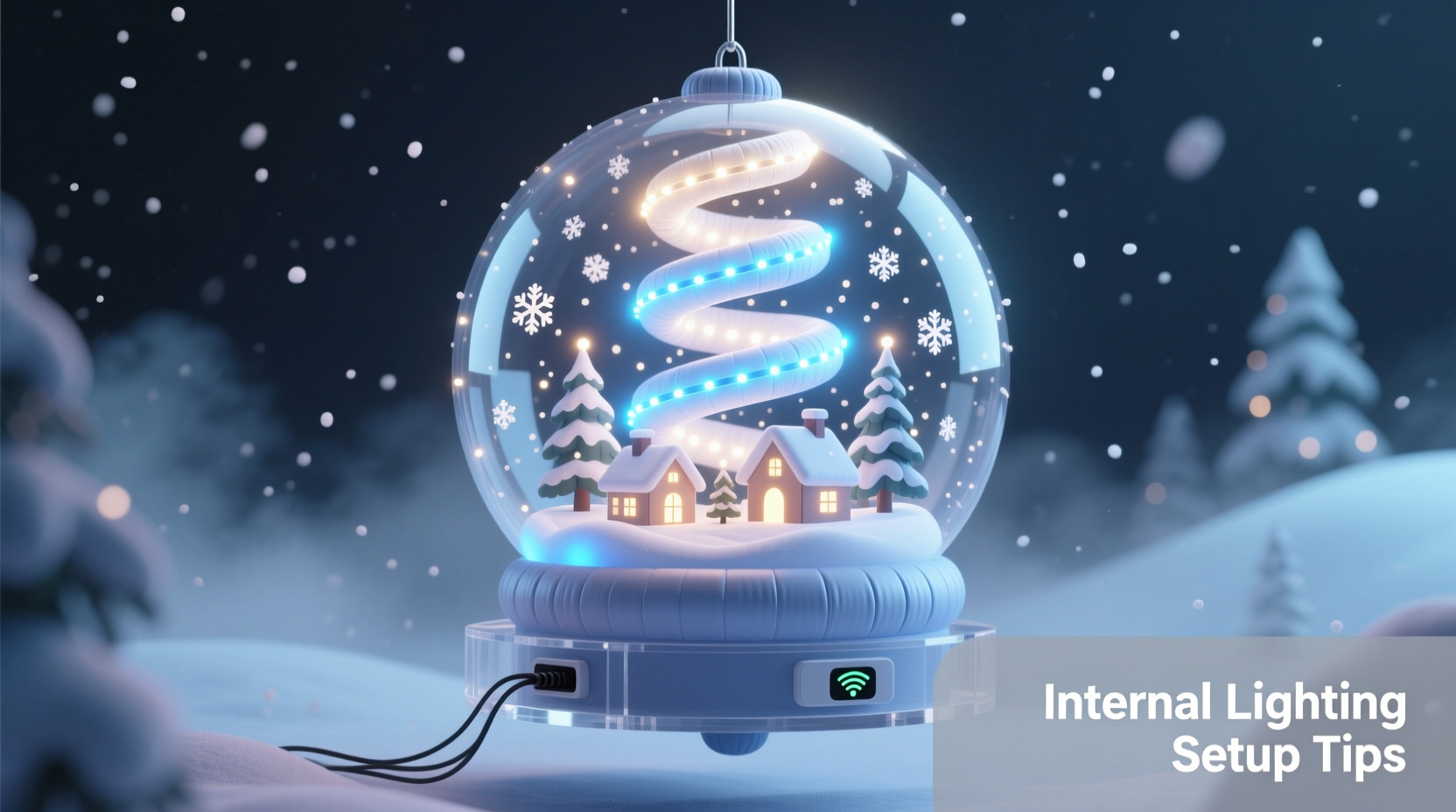
The placement of your inflatable snow globe determines not only visibility but also durability. Since most models range from 6 to 9 feet tall, they demand space and strategic positioning. Avoid cramming the unit between shrubs or too close to walkways. Instead, treat it like a stage prop—give it room to breathe and be seen.
Face the snow globe toward the street or sidewalk if you want maximum curb appeal. Ensure the front (usually the side with the clearest dome view) is unobstructed by fences, parked cars, or dense landscaping. Consider how natural and artificial light interacts with the display during both day and night. A unit backlit by your porch light may lose its glow effect after dark, while one shaded by trees might appear dull even when illuminated.
Wind exposure is another critical factor. Inflatables rely on continuous airflow from an internal fan; strong gusts can overwhelm the system, causing collapse or fabric stress. Position the unit near a fence, hedge, or house wall to create a windbreak. If no natural barriers exist, consider installing temporary shielding using stakes and breathable landscape fabric—but never fully enclose the unit, as ventilation is essential.
Step-by-Step Setup Process
Proper assembly ensures reliable inflation and consistent lighting. Follow this sequence to avoid common pitfalls:
- Unpack carefully: Lay the snow globe flat on a clean surface. Check for tears, frayed seams, or damaged connectors. Never yank folded material—unfold gently to prevent stress on printed areas.
- Lay out the base and fan: Most models use a single electric blower housed in the base. Position the base on level ground, ensuring the intake vent is clear of debris.
- Attach the globe securely: Align the bottom edge of the inflatable dome with the base’s air outlet. Many units use Velcro, zippers, or snap rings. Seal completely to maintain pressure.
- Connect internal lighting: Internal LEDs are typically wired through a central hub. Confirm all light strands are plugged into the designated ports and lie flat inside the structure, avoiding tangles.
- Plug in and test: Use a grounded outdoor-rated extension cord. Power on the unit and observe inflation over 60–90 seconds. Watch for slow inflation, uneven bulging, or flickering lights—signs of connection issues.
- Anchoring: Once fully inflated, secure all tether points using included stakes or sandbags. At minimum, use four anchors—one at each corner of the base.
Wait at least 10 minutes after inflation to assess stability. Gently press the dome to check firmness; it should feel taut but not rigid. If the fabric sags quickly after unplugging, there may be a leak or weak seal.
Optimizing Internal Lighting Performance
The magic of an inflatable snow globe lies in its illumination. Poor lighting undermines the entire display, washing out details or creating dark spots. Modern models use energy-efficient LED strings mounted on a central pole or frame inside the globe. To ensure even, vibrant lighting:
- Choose warm-white LEDs for a cozy, vintage glow; cool-white offers higher brightness but can appear clinical.
- Ensure lights are centered vertically. If the fixture leans to one side, reposition it before inflation.
- Check for tangled wires, which can cause hotspots or partial failures.
- Avoid covering any part of the globe with tape or adhesive decorations—this blocks light diffusion.
Some premium models include color-changing or programmable lighting modes. If yours supports this, sync it with other smart yard lights for coordinated effects. However, avoid rapid flashing patterns—they can trigger sensitivity in some viewers and may violate local lighting ordinances.
“Even lighting distribution is the key to realism in inflatable snow globes. The goal is to make the interior figure appear suspended in glowing snow—not spotlighted like a stage actor.” — Daniel Reeves, Outdoor Display Designer & Holiday Lighting Consultant
Weatherproofing and Maintenance During the Season
Inflatable snow globes are designed for outdoor use, but extreme conditions still pose risks. Rain, snow, and ice accumulation can weigh down the fabric, strain the fan, and short-circuit electronics. While most units are made from waterproof polyester or PVC-coated nylon, prolonged exposure to moisture demands proactive care.
After heavy snowfall, use a soft broom or gloved hand to gently remove buildup from the top of the dome. Never use sharp tools or apply force—microtears can lead to leaks. If temperatures drop below freezing, ensure the fan remains operational; a stalled motor can freeze in place. In regions with frequent ice storms, consider powering down the unit during severe weather and restarting once conditions improve.
| Condition | Action | Avoid |
|---|---|---|
| Light rain | Monitor for water pooling; unit should shed water naturally | Leaving cords in standing water |
| Heavy snow | Gently brush off accumulation; check inflation hourly | Using metal tools or excessive pressure |
| High wind (>25 mph) | Reinforce anchors; consider temporary shutdown | Adding extra weight that distorts shape |
| Freezing temps | Ensure fan runs continuously; elevate base if icy | Using heat sources near fabric |
Troubleshooting Common Issues
Even well-maintained inflatables can develop problems. Recognizing symptoms early prevents minor glitches from becoming full failures.
Fan Runs But Globe Won’t Inflate Fully
This usually indicates an air leak. Turn off the unit and inspect seams, especially around the base attachment and repair patches. Inflate manually by blowing air into the opening, then listen for hissing. Mark suspected areas with tape and patch using a vinyl repair kit.
Lights Flicker or Only Partially Work
Check all internal connections first. Unplug the unit and open access panels to verify LED strings are seated properly. If one section is dark, the issue may be a broken wire or failed bulb segment. Some manufacturers sell replacement light poles—contact customer support with your model number.
Globe Deflates Overnight
If the unit holds air during the day but collapses by morning, the fan may be overheating and shutting off. Ensure intake vents are dust-free and the motor isn’t obstructed. Also, check your outlet—use a dedicated circuit if possible, as voltage drops can cause intermittent operation.
Color Fading Over Time
Prolonged sun exposure degrades printed graphics. Rotate the globe every few weeks to distribute UV exposure evenly. For long-term ownership, store the unit in a dark, dry place when not in season.
Real Example: A Suburban Family’s Snow Globe Success
The Thompson family in Milwaukee purchased a 7.5-foot inflatable snow globe featuring Santa and reindeer inside a glowing dome. Their first attempt ended in disappointment—the unit deflated twice during a windy weekend, and neighbors joked it looked like a “sad jellyfish.”
Determined to fix it, they reviewed the manual, relocated the unit closer to their garage for wind protection, and upgraded to heavy-duty spiral ground anchors. They also switched to a commercial-grade extension cord with surge protection. After adjusting the internal light rod to center alignment, the nighttime glow became even and radiant.
For the remainder of the season, the snow globe stayed inflated and drew nightly visitors. The local newspaper even featured it in a “Best Yard Displays” roundup. The key, they noted, wasn’t the product quality alone—it was the attention to setup details that turned failure into triumph.
End-of-Season Care Checklist
Preserving your inflatable snow globe starts the moment you take it down. Follow this checklist to ensure it performs just as well next year:
- Power down and unplug during daylight hours to avoid electrical hazards.
- Let the unit deflate completely—do not force-roll while inflated.
- Clean gently with a damp cloth and mild soap; avoid bleach or abrasive scrubbers.
- Air-dry fully before storage to prevent mold and mildew.
- Store in a breathable cotton bag or cardboard box—never plastic, which traps moisture.
- Keep in a cool, dry place away from rodents; consider adding cedar blocks for pest control.
- Label the storage container with model number and setup notes for next year.
Frequently Asked Questions
Can I leave my inflatable snow globe up all winter?
Yes, if it’s rated for outdoor use and you maintain it. Regularly check for damage, clear snow buildup, and ensure the fan and lights remain functional. However, extended exposure will shorten lifespan. Most manufacturers recommend seasonal use of 6–8 weeks for optimal condition.
Are replacement parts available for internal lighting?
Many brands offer replacement LED poles, fans, and connectors. Contact the manufacturer with your model number. Third-party universal LED inflatables kits are also available online if original parts are discontinued.
Can I use a timer with my snow globe?
Absolutely. Using an outdoor-rated timer reduces wear on the system and saves energy. Set it to turn on at dusk and off at midnight unless local traditions favor longer display hours. Avoid timers with inconsistent cycling, as frequent restarts strain the fan motor.
Conclusion: Shine Bright This Holiday Season
An inflatable snow globe with internal lighting is more than a decoration—it’s a statement of joy, creativity, and holiday spirit. When set up with care, it becomes a neighborhood landmark, a backdrop for memories, and a beacon of seasonal warmth. The effort invested in proper placement, lighting optimization, and ongoing maintenance pays dividends in reliability and visual appeal.
Don’t settle for a half-lit, wobbling display. Apply these tips to transform your inflatable into a flawless winter wonder. Whether you’re a first-time owner or upgrading your annual setup, precision makes all the difference. This season, let your snow globe shine exactly as intended—bright, steady, and full of magic.




 浙公网安备
33010002000092号
浙公网安备
33010002000092号 浙B2-20120091-4
Comments
No comments yet. Why don't you start the discussion?