
Modern work environments demand more than just desks and chairs. As companies strive to attract top talent and foster innovation, the physical workspace has emerged as a critical driver of both creativity and productivity. A well-designed office does not merely accommodate work—it shapes behavior, inspires collaboration, and enhances mental clarity. The most forward-thinking organizations are reimagining their spaces not as static containers but as dynamic ecosystems engineered to support cognitive performance and emotional well-being.
This shift goes beyond aesthetics. It’s about intentionality: aligning spatial design with psychological principles, workflow patterns, and cultural values. From biophilic elements to agile zoning, the best offices today blend science and design to create environments where people naturally think deeper, collaborate better, and produce higher-quality work.
1. Embrace Zoning for Cognitive Flow
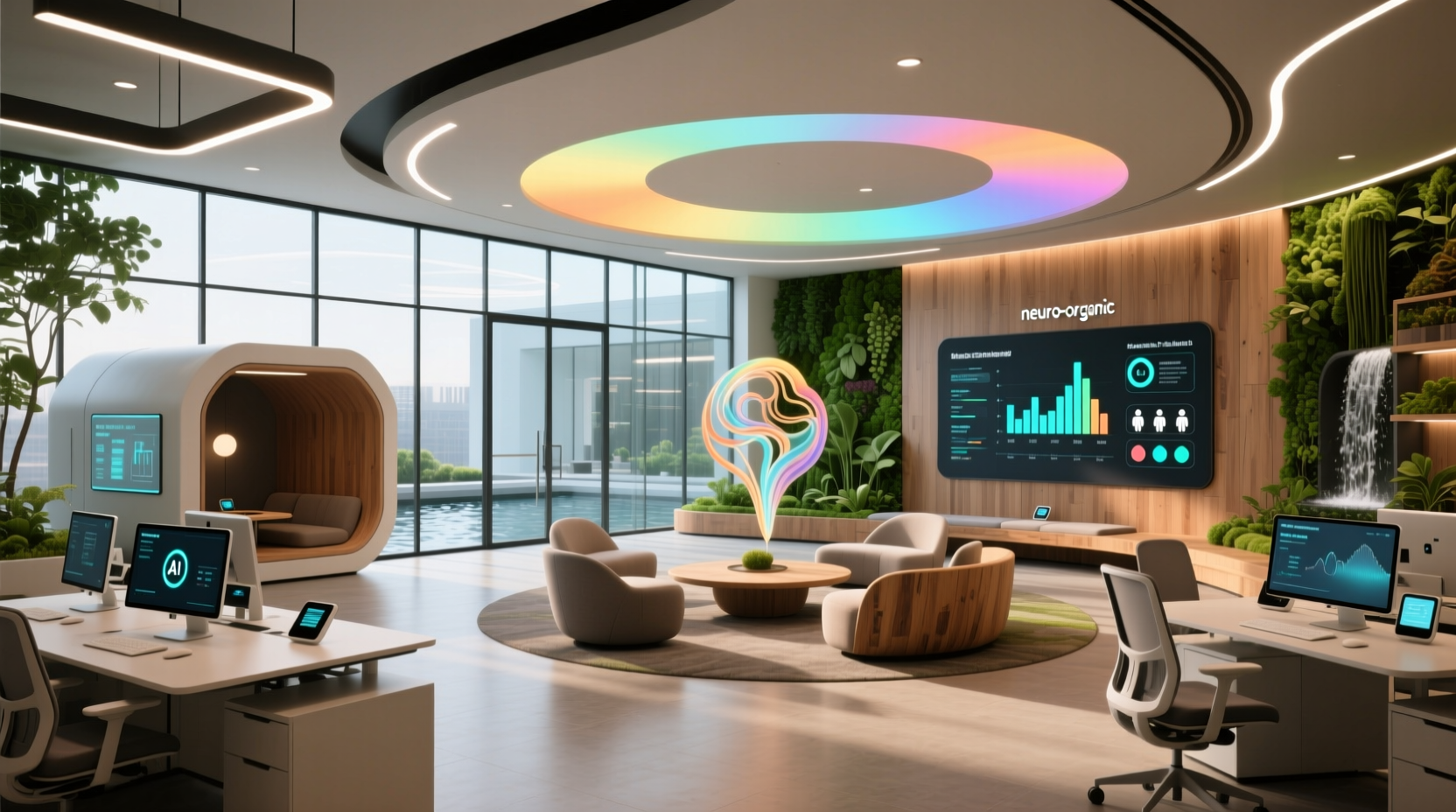
One of the most effective strategies in modern office design is creating distinct functional zones tailored to different types of work. Not all tasks require the same environment. Deep focus demands silence and minimal distraction, while brainstorming thrives on energy and proximity. By segmenting the office into purpose-specific areas, teams can move fluidly between modes of thinking without friction.
- Focus Pods: Sound-dampened enclosures for concentrated work, ideal for writing, coding, or analysis.
- Creative Lounges: Informal, colorful spaces with writable walls and modular furniture to encourage spontaneous ideation.
- Collaboration Hubs: Mid-sized meeting nooks equipped with digital whiteboards and video conferencing tools.
- Quiet Zones: Designated silent areas with ambient noise masking for reading or reflection.
2. Optimize Lighting for Circadian Rhythm and Mood
Lighting is one of the most underutilized levers in office design. Poor illumination leads to eye strain, fatigue, and reduced alertness. In contrast, intelligent lighting systems can synchronize with natural circadian rhythms, boosting concentration during peak hours and promoting relaxation when needed.
Maximize access to natural daylight by placing workstations near windows and using transparent or low-panel dividers. For interior spaces lacking sunlight, install tunable LED systems that adjust color temperature throughout the day—cooler (5000K–6500K) in the morning to enhance alertness, warmer (3000K–4000K) in the afternoon to reduce stress.
“Light isn’t just about visibility—it’s a biological regulator. Offices that align lighting with circadian biology see up to 15% gains in cognitive performance.” — Dr. Lena Torres, Environmental Neuroscientist at MIT Healthy Buildings Program
3. Integrate Biophilic Design Principles
Nature doesn’t belong outside the office—it belongs inside it. Biophilic design incorporates natural elements such as plants, water features, organic materials, and nature-inspired patterns to reduce stress and improve mental restoration. Studies show that even minimal exposure to greenery can increase creative output by up to 15% and lower cortisol levels significantly.
Effective implementation includes:
- Living green walls in high-traffic corridors
- Desks made from reclaimed wood or bamboo
- Indoor plants like snake plants or pothos that purify air and require little maintenance
- Nature-themed artwork or acoustic panels with leaf-like textures
| Design Element | Creativity Impact | Efficiency Benefit |
|---|---|---|
| Abundant natural light | +20% idea generation in group sessions | Reduced errors in detail-oriented tasks |
| Indoor plants | Enhanced divergent thinking | Lower absenteeism due to illness |
| Dynamic acoustics | Fewer interruptions during ideation | Improved call clarity and focus |
| Movable furniture | Encourages experimentation | Adaptable to changing team needs |
4. Foster Movement and Flexibility
Sedentary work kills creativity. Prolonged sitting reduces blood flow to the brain and dulls cognitive agility. Innovative offices now prioritize movement through sit-stand desks, walking paths, stair-centric layouts, and even treadmill workstations.
Beyond ergonomics, flexible furniture enables rapid reconfiguration. Modular seating, mobile whiteboards, and plug-and-play tech empower teams to reshape their environment based on project needs—mirroring the agility expected in modern workflows.
Step-by-Step Guide: Transitioning to a Flexible Office Layout
- Assess current usage patterns via workplace analytics or employee surveys to identify underused or overcrowded areas.
- Introduce pilot zones with reconfigurable furniture in one department to test adaptability.
- Train staff on how to modify spaces for different activities (e.g., switching from presentation mode to workshop setup).
- Gather feedback monthly and refine configurations accordingly.
- Scale successful models across other teams, ensuring power access and Wi-Fi coverage support mobility.
5. Cultivate a Culture of Psychological Safety Through Design
The most innovative ideas often emerge in environments where people feel safe to speak up. Spatial design influences social dynamics more than many realize. Open-plan offices, if poorly executed, can heighten surveillance anxiety and discourage risk-taking. Conversely, thoughtfully designed spaces can promote inclusivity and trust.
For example, circular meeting tables eliminate hierarchical seating arrangements, fostering equal participation. Small breakout rooms with soft furnishings invite candid conversations. Transparent leadership offices—where executives are visible but approachable—signal openness.
Mini Case Study: How a Tech Startup Revamped Its Culture Through Space
A mid-sized SaaS company in Portland noticed declining engagement in brainstorming sessions despite strong team cohesion. After consulting with an environmental psychologist, they redesigned their central meeting area: replacing long rectangular tables with round ones, adding magnetic paint to walls for quick sketching, and introducing “no-agenda” Friday mornings in a lounge-style room with bean bags and ambient music.
Within three months, internal innovation submissions increased by 40%, and employee satisfaction scores related to psychological safety rose from 6.1 to 8.7 out of 10. The simple act of changing the shape of the table—and the rules around its use—unlocked new levels of participation.
Checklist: Key Elements of a Creativity-Boosting Office
- ✅ Multiple work zones tailored to task type (focus, collaboration, rest)
- ✅ Access to natural light and views of greenery
- ✅ Tunable artificial lighting aligned with circadian rhythm
- ✅ Indoor plants and natural materials (wood, stone, cork)
- ✅ Sit-stand desks and opportunities for movement
- ✅ Movable furniture and writable surfaces
- ✅ Acoustic balance—quiet enough for focus, lively enough for exchange
- ✅ Spaces that reflect company values and identity
FAQ
Can small businesses apply these strategies on a budget?
Absolutely. Start with low-cost changes: rearrange existing furniture into zones, add affordable indoor plants, repaint one wall with magnetic or whiteboard paint, and use portable lamps to improve lighting. Even minor interventions can yield noticeable improvements in mood and focus.
How do I measure whether the redesign is working?
Track both qualitative and quantitative metrics. Conduct anonymous employee surveys before and after the redesign focusing on perceived creativity, comfort, and focus. Monitor operational data such as meeting effectiveness, project turnaround time, and utilization rates of different spaces using sensors or sign-in logs.
Is open-plan dead? Should we go back to private offices?
Neither extreme works universally. The future lies in balance—offering a spectrum of choices. Some roles benefit from privacy, others from stimulation. A hybrid model with private pods, shared tables, and lounges allows autonomy and caters to diverse working styles, maximizing both creativity and efficiency.
Conclusion
Designing an office that truly boosts creativity and efficiency isn’t about chasing trends or filling space with gimmicks. It’s about understanding human behavior and crafting an environment that supports it. When lighting follows the sun, when walls invite doodling, when movement is effortless, and when every corner feels intentional, people don’t just work—they thrive.




 浙公网安备
33010002000092号
浙公网安备
33010002000092号 浙B2-20120091-4
Comments
No comments yet. Why don't you start the discussion?