
Japan captivates travelers with its seamless blend of ancient tradition and futuristic innovation. Yet beyond the neon-lit streets of Tokyo and the cherry blossoms of Kyoto lies a deeper, quieter rhythm—one that locals move to every day. For first-time visitors, understanding this rhythm is the key to moving beyond tourism and stepping into authentic experience. This guide shares practical, field-tested insights to help you navigate Japan not as a spectator, but as a respectful guest who engages meaningfully with the culture.
Respect the Unspoken Rules of Public Behavior
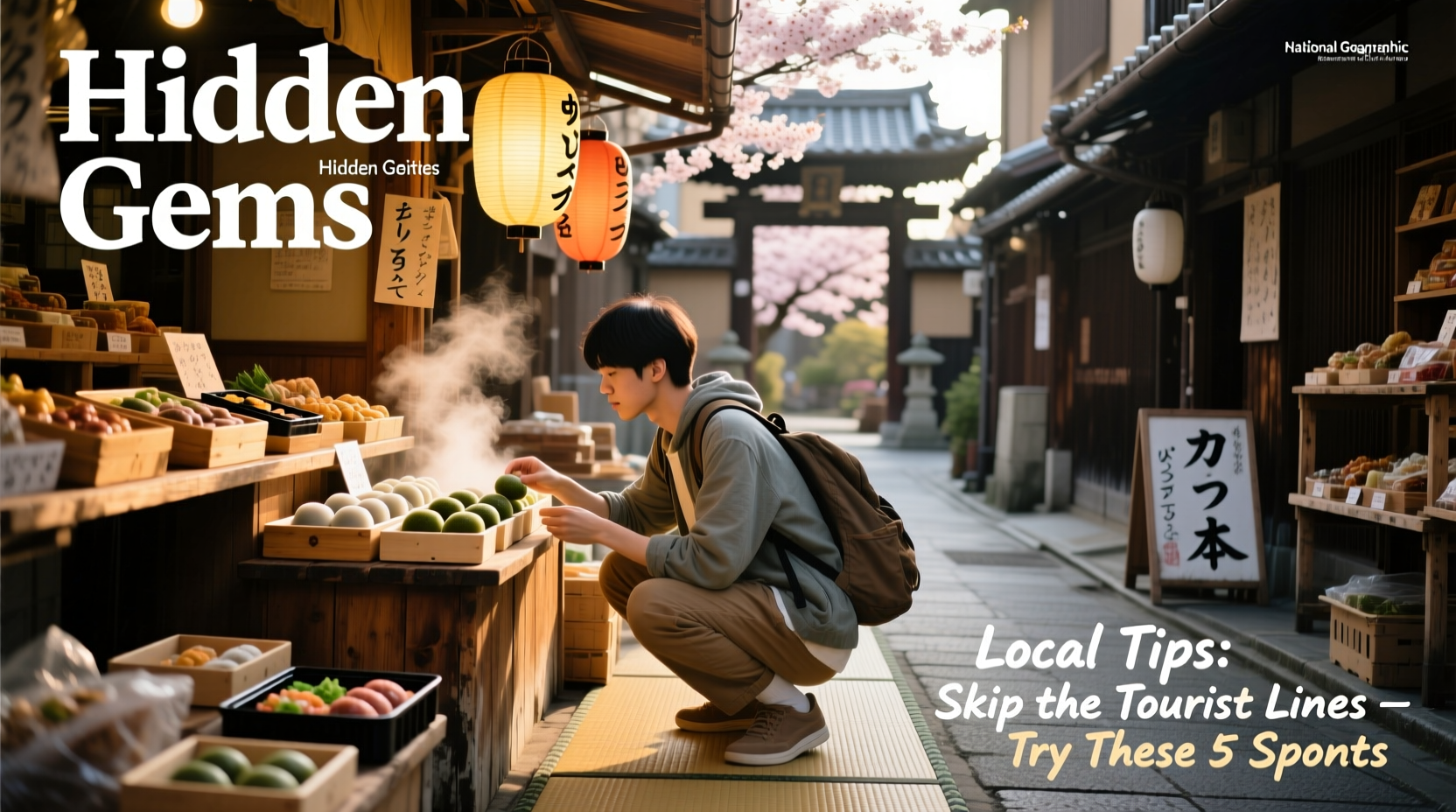
In Japan, social harmony is maintained through subtle, often unspoken norms. These aren’t written in guidebooks but are evident in everyday actions. Observing them earns you quiet respect from locals and enhances your comfort during your stay.
For example, eating while walking is generally frowned upon, especially in cities like Kyoto or Nara. Instead, finish your street food at the vendor’s counter or find a bench. Similarly, speaking loudly on public transportation is avoided; many commuters read, nap, or scroll silently. Phone calls on trains are rare—use text messaging instead.
Another lesser-known norm: never stick chopsticks upright in a bowl of rice. This resembles a funeral ritual and is considered highly inappropriate. Place them flat on the chopstick rest or gently across your bowl when not in use.
Navigate the Transport System Like a Pro
Japan’s rail network is among the most efficient in the world, but it operates on precision and order. Mastering it elevates your travel experience and saves hours of confusion.
For first-timers, the IC card (Suica or Pasmo) is essential. It works on subways, buses, and even convenience store purchases in major cities. Purchase one at any JR station—no deposit or registration needed. Top it up at vending machines using cash.
Avoid rush hour if possible. Trains between 7:30–9:00 AM and 5:30–7:00 PM can be packed to capacity, particularly on lines like the Yamanote in Tokyo. If you must travel then, keep bags close, avoid phone use, and let passengers exit before boarding.
“Foreign tourists often underestimate how punctual and orderly the transit system is. One minute late is noticeable.” — Kenji Tanaka, Tokyo Metro Customer Advisor
Step-by-Step: Using a Shinkansen (Bullet Train)
- Purchase a ticket in advance via JR’s website or at a station’s Midori-no-madoguchi (Travel Service Center).
- Arrive at least 15 minutes early. Find your designated platform and car number.
- Board quietly. Store luggage in overhead racks or designated spaces near the doors.
- If you have a reserved seat, check your ticket for row and seat number. Non-reserved cars allow first-come seating.
- Keep voices low. Eating and drinking are allowed—many enjoy ekiben (train bento boxes) bought from platforms.
Explore Beyond the Tourist Trail
While temples and castles are breathtaking, some of Japan’s most memorable experiences happen off the beaten path. Locals often frequent neighborhood spots that offer authenticity without crowds.
In Tokyo, skip the crowded Shibuya scramble once and head to Yanaka Ginza, a retro shopping street with tiny eateries and old-world charm. In Kyoto, visit Ohara, a rural village reachable by bus, where you can join a traditional shojin ryori (Buddhist vegetarian meal) cooking class.
Consider staying in a machiya (traditional townhouse) instead of a hotel. These wooden homes, common in Kyoto and Kanazawa, offer intimate access to local living patterns and often come with kitchen access—perfect for visiting morning markets.
| Destination | Tourist Spot | Local Alternative |
|---|---|---|
| Tokyo | Shibuya Crossing | Kagurazaka (French-Japanese fusion district) |
| Kyoto | Kinkaku-ji (Golden Pavilion) | Adashino Nenbutsu-ji (quiet bamboo temple) |
| Osaka | Dotonbori | Tenjinbashi-suji Shopping Arcade |
| Hakone | Lake Ashi cruise | Sengokuhara rice fields & foot baths |
Master the Art of Onsen Etiquette
Onsen (hot springs) are sacred spaces for relaxation and purification. Entering one without knowing the rules can be awkward—or worse, disrespectful.
Before soaking, wash thoroughly at the provided shower stations. Rinse your body completely; do not enter the bath with soap residue. Towels are used to cover modesty while walking, but they must remain out of the water—place them on your head or beside you.
Tattoos are still sensitive due to historical associations with organized crime. While attitudes are changing, many public onsens ban them. Look for tattoo-friendly facilities or book private baths, increasingly available through hotels or Airbnb-style lodgings.
Mini Case Study: A Quiet Morning in Kusatsu
Emma, a first-time visitor from Canada, booked a minshuku (family-run inn) in Kusatsu, Gunma Prefecture. She arrived at the public yubatake (hot spring field) at 6:30 AM. The air was crisp, steam rising from stone channels. An elderly local nodded as she followed the cleaning routine carefully. After soaking, she joined other guests for miso soup and grilled fish at the inn. “It felt like I was part of the town’s daily rhythm,” she said. “No cameras, no queues—just warmth and silence.”
Practical Checklist for First-Time Visitors
- ✅ Download offline maps (Google Maps or Japan Travel by Navitime)
- ✅ Carry cash—many small shops and temples don’t accept cards
- ✅ Learn basic phrases: “Arigatou gozaimasu” (thank you), “Sumimasen” (excuse me/sorry)
- ✅ Bring a compact umbrella—sudden rain is common
- ✅ Pack reusable shopping bags—plastic bags cost money and aren’t always offered
- ✅ Use coin lockers at stations for day trips
- ✅ Check regional train passes (e.g., Kansai Thru Pass, Tokyo Subway Ticket)
Frequently Asked Questions
Is tipping acceptable in Japan?
No. Tipping is not practiced and can cause confusion or discomfort. Excellent service is expected as standard, and adding extra money may be politely refused. A simple bow or “arigatou” is sufficient gratitude.
Can I drink tap water in Japan?
Yes. Tap water is safe to drink nationwide. Refillable bottles are common, and many stations and restaurants have water fountains labeled “drinking water.”
How do I handle trash disposal?
Public trash bins are rare. Hold onto wrappers and bottles until you return to your accommodation or find a convenience store with disposal areas. Separate recyclables when possible—locals often sort at home.
Final Thoughts: Travel with Curiosity, Not Just a Camera
Experiencing Japan like a local isn’t about mimicking behavior—it’s about approaching each moment with mindfulness and humility. Whether you’re bowing after a meal, riding a local bus to a forgotten shrine, or sharing silent space in an onsen, these acts build invisible bridges of respect.
The country rewards those who slow down, observe, and participate thoughtfully. You don’t need fluent Japanese or years of cultural study—just genuine curiosity and a willingness to adapt.




 浙公网安备
33010002000092号
浙公网安备
33010002000092号 浙B2-20120091-4
Comments
No comments yet. Why don't you start the discussion?