
Landing a role in a movie isn’t just about talent—it’s about strategy, persistence, and knowing how the industry works behind the scenes. Thousands audition for every open role, but only a few break through. The difference often lies not in raw ability, but in preparation, professionalism, and positioning. Whether you're starting from scratch or have some experience, this guide reveals practical, insider-tested steps to increase your chances of getting cast in film.
1. Build Your Foundation: Training and Skill Development
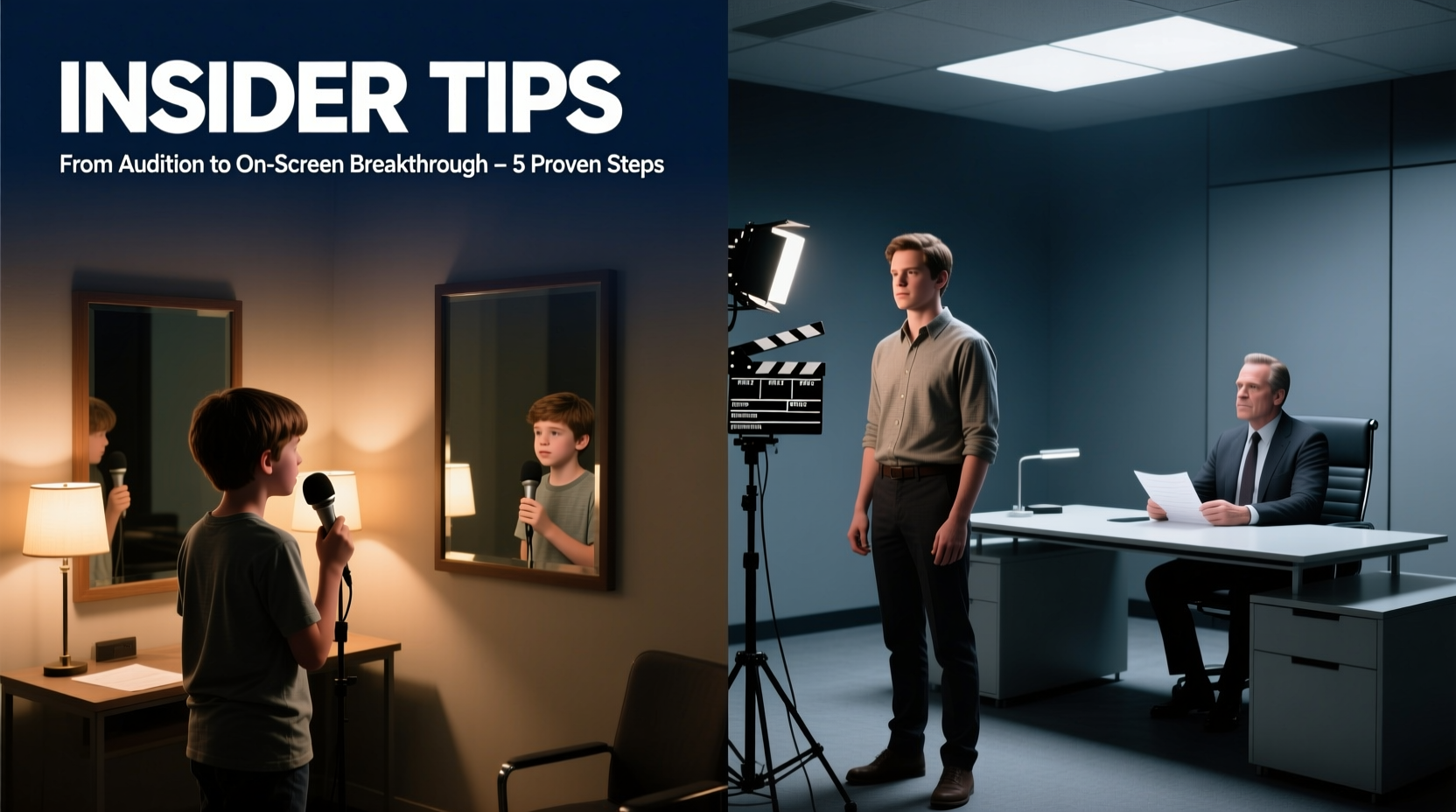
Before you can impress casting directors, you need to master your craft. Acting is a skill that improves with study and repetition. Most working actors spend years refining their technique through formal training and ongoing practice.
Start with reputable acting classes that focus on scene study, improvisation, and script analysis. Programs based on Meisner, Stanislavski, or Method techniques are widely respected in the industry. Voice and movement coaching also help you develop physical presence and vocal clarity—critical for on-camera work.
Equally important is on-camera experience. Many actors train solely for theater and struggle when transitioning to film. Film acting requires subtlety. Take specialized on-camera workshops where you record performances and receive feedback. These sessions simulate real auditions and teach you how to deliver authentic reactions within tight framing.
2. Create Professional Materials That Stand Out
Casting departments make split-second decisions. Your materials must communicate who you are, what you can do, and why you’re right for a role—all at a glance.
- Headshot: Invest in a high-quality, current headshot taken by a photographer specializing in actors. It should reflect your natural look, not heavy makeup or dramatic lighting. Avoid selfies or outdated photos.
- Resume: List your training, previous roles (even student films), special skills (e.g., accents, martial arts, instruments), and union affiliations. Keep it to one page.
- Showreel/Reel: A 1–2 minute compilation of your best on-screen moments. Include clear slate cards identifying each clip. If you lack credits, create demo scenes with a filmmaker friend.
“Your headshot gets you the audition. Your reel convinces them you can act. Your behavior in the room decides if they want to work with you.” — Lena Reyes, Casting Director, Los Angeles
Do’s and Don’ts of Actor Marketing Materials
| Category | Do | Don't |
|---|---|---|
| Headshot | Natural expression, neutral background, professional lighting | Over-retouched, theatrical costume, group photo |
| Resume | Clear formatting, accurate contact info, relevant skills | Dense text, unverified credits, personal details (height/weight unless required) |
| Showreel | High-definition clips, varied emotions, strong endings | Long intros, poor audio, irrelevant footage |
3. Step-by-Step Guide to Auditioning Successfully
Getting seen is only half the battle. How you perform in the audition room determines whether you book the job. Follow this timeline to maximize your effectiveness:
- Find Casting Calls: Use platforms like Backstage, Casting Networks, and Mandy. Filter by project type, pay rate, and location. Also follow casting directors and production companies on social media—they often post opportunities directly.
- Submit Strategically: Don’t mass-submit to everything. Tailor your submission to the character. If the role calls for “a rugged outdoorsman,” use a headshot that reflects that energy.
- Prepare Thoroughly: Read the full script if available. Understand your character’s motivations, relationships, and arc—even if only one scene is provided. Practice with line readings, but avoid over-rehearsing into stiffness.
- Record Self-Tapes Professionally: For remote auditions, use a plain wall, good lighting (natural light preferred), and lapel mic if possible. Frame yourself from mid-thigh up. Submit exactly as instructed—wrong format or late entries are discarded immediately.
- Perform with Intention: In-person or virtual, make bold, truthful choices. Casting teams want to see personality, not perfection. If you forget a line, keep going—show how you handle pressure.
- Follow Up Gracefully: Send a brief thank-you email to the casting coordinator within 24 hours. No demands, no reminders—just appreciation.
4. Real Example: From Open Call to Speaking Role
Jamal Thompson, now a working supporting actor in indie films, started with zero connections. He attended an open casting call for a low-budget thriller advertised on Craigslist. Though hundreds showed up, he stood out because he arrived early, brought printed headshots and resumes, and delivered a grounded, emotionally charged reading.
The casting director remembered his professionalism. Though he didn’t land that role, she kept his info and called him three months later for a different project—a small but pivotal part in a festival-bound drama. His performance earned praise, leading to agent representation and subsequent bookings.
His secret? Consistency. He submitted to 5–7 roles per week, self-taped with improving quality, and took every opportunity to network—even at crowded cattle-call auditions. “I stopped seeing rejection as failure,” he said. “Each ‘no’ was just a step closer to the right ‘yes.’”
5. Networking and Industry Access: Beyond the Audition
Hollywood runs on relationships. Many roles are filled before public casting begins, offered to actors known to the director or recommended by trusted collaborators. To access these hidden opportunities, build genuine connections.
- Attend industry mixers, film premieres, and theater openings.
- Volunteer on student or indie film sets to meet directors and crew.
- Enroll in workshops led by working professionals—these often lead to referrals.
Social media also plays a strategic role. Maintain a clean, professional Instagram or TikTok showcasing monologues, behind-the-scenes rehearsals, or insights into your process. Avoid oversharing personal drama. Producers check online presence—and inappropriate content kills chances fast.
Actor’s Action Checklist
- ✔ Complete at least one foundational acting course
- ✔ Get a professional headshot from a recognized theater/film photographer
- ✔ Build a one-page resume with training, credits, and special skills
- ✔ Create a 90-second showreel with your strongest performances
- ✔ Sign up for two casting platforms (e.g., Backstage + Casting Networks)
- ✔ Submit to at least five auditions per week
- ✔ Record self-tapes with proper lighting and sound
- ✔ Attend one industry event or workshop per month
- ✔ Follow up politely after every audition
- ✔ Track submissions and outcomes in a spreadsheet
Frequently Asked Questions
Do I need an agent to get cast in a movie?
Not initially. Many first roles come from open calls, student films, or indie projects found independently. However, agents become essential for accessing larger productions, SAG-AFTRA jobs, and consistent work. Focus on building your portfolio first—representation follows credibility.
How long does it usually take to book a film role?
There’s no set timeline. Some actors book within months; others take years. What matters is consistency. Actors who submit regularly, improve their materials, and stay visible typically see results within 6–18 months. Persistence outweighs luck.
Should I move to Los Angeles or New York to pursue film acting?
If you’re serious about mainstream film, yes—proximity increases opportunity. LA dominates film and streaming production; NYC leads in indie and theater crossover. But don’t relocate until you have savings, contacts, and a plan. Many actors build regional reputations first, then transition.
Final Steps: Stay Ready, Stay Resilient
Breaking into film isn’t a sprint—it’s a marathon with unpredictable hurdles. You’ll face silence, rejection, and moments of doubt. But every working actor has been there. What separates those who succeed is not flawless talent, but relentless preparation and emotional stamina.
Master your craft. Polish your presentation. Show up ready—every time. The industry doesn’t reward the most talented alone; it rewards those who are prepared, professional, and persistent. Your breakthrough might come from an unexpected corner: a self-tape sent on a Tuesday, a conversation at a screening, or a role you didn’t even expect.




 浙公网安备
33010002000092号
浙公网安备
33010002000092号 浙B2-20120091-4
Comments
No comments yet. Why don't you start the discussion?