
Disney plush toys are more than just stuffed animals—they’re cherished keepsakes, collectibles, and emotional connections to beloved characters. With their popularity, counterfeit versions have flooded online marketplaces and discount stores. These fakes often use inferior materials, lack safety certifications, and may even pose health risks. Learning how to distinguish genuine Disney plush from imitations isn’t just about protecting your investment—it’s about ensuring quality, safety, and authenticity for yourself or a loved one.
Know the Key Markers of Authenticity
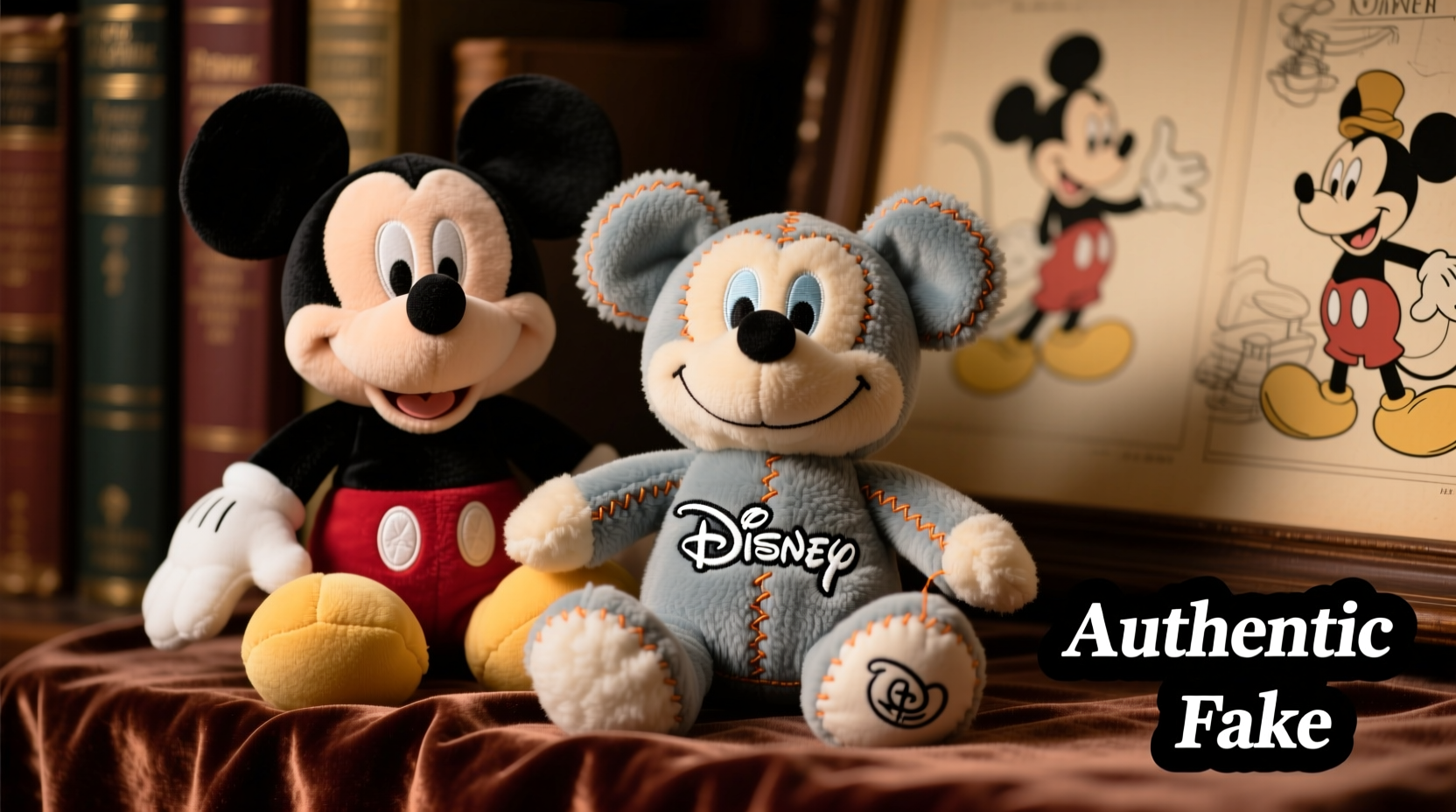
Authentic Disney plush toys are manufactured under strict licensing agreements and meet international safety standards. The most reliable way to verify authenticity begins with examining physical and legal identifiers embedded in every official product.
- Neck Tags: Genuine Disney plush toys feature a sewn-in fabric neck tag with the Disney logo, character name, and a unique product number. The tag is usually white with blue text and includes phrases like “Made under authorization for The Walt Disney Company.”
- FCC/CE Labels: Look for regulatory labels indicating compliance with U.S. (FCC) or European (CE) safety standards. These are typically on a separate, smaller tag attached near the main label.
- Disney Copyright Stamp: Many authentic plushes include a small printed copyright notice inside the ear, foot, or seam—often reading “© Disney” followed by the year.
Compare Materials and Craftsmanship
The tactile experience of a genuine Disney plush is unmistakable. Licensed manufacturers use high-grade polyester fibers, soft fleece fabrics, and reinforced stitching designed to withstand years of handling. Fakes, in contrast, often cut corners with coarse, scratchy fabrics and loose threads.
| Feature | Authentic Disney Plush | Fake Plush |
|---|---|---|
| Fabric Texture | Soft, consistent pile; premium feel | Rough, uneven, or overly shiny |
| Stitching | Tight, double-stitched seams; no loose ends | Irregular stitches; visible gaps or fraying |
| Filling | Firm yet huggable; evenly distributed | Lumpy, flat, or too stiff |
| Facial Features | Embroidered eyes/nose (on most); precise placement | Plastic eyes or poorly aligned embroidery |
Pay close attention to facial details. Disney has moved toward embroidered features on many plush lines (especially for children’s safety), which are difficult for counterfeiters to replicate accurately. Misaligned eyes, asymmetrical smiles, or off-center noses are red flags.
Follow a Step-by-Step Verification Process
When evaluating a potential purchase—whether online or in-store—follow this systematic checklist to minimize risk.
- Inspect the packaging: Original Disney plush toys often come in branded boxes or sealed polybags with clear images and logos. Avoid items sold without packaging or with blurry, pixelated printing.
- Check the price: If it seems too good to be true, it probably is. A brand-new Mickey Mouse plush priced at $8 when retail is $35 is highly suspect.
- Verify the seller: Purchase only from authorized retailers such as Disney Store, Amazon (sold by Amazon or Disney), Target, or Walmart. Avoid third-party sellers with low ratings or vague descriptions.
- Scan the barcode: Use a smartphone app to scan the UPC code and cross-reference it with Disney’s product database or trusted review sites.
- Feel the plush: Gently squeeze the body and limbs. Authentic plushes maintain shape and spring back; fakes often collapse or retain dents.
“Counterfeit plush toys not only cheat consumers but can contain harmful dyes or non-flame-resistant stuffing. Always prioritize certified sellers.” — Linda Tran, Consumer Safety Advocate at KidsFirst Initiative
Real Example: How One Collector Avoided a Costly Mistake
Sarah Kim, a longtime Disney memorabilia collector from Austin, Texas, nearly purchased a limited-edition Stitch plush listed on an auction site. The photos looked convincing, and the seller claimed it was “retired stock.” But Sarah noticed several inconsistencies: the neck tag lacked the FCC symbol, the stitching around the ears was uneven, and the fabric had a plastic-like sheen uncommon in official releases.
She contacted Disney Customer Service with the product number from the tag. Within hours, she received confirmation that the item did not match any known manufacturing batch. By following protocol, Sarah avoided spending $75 on a fake—and reported the listing to the platform. Her diligence saved other buyers from the same scam.
Common Red Flags and What to Avoid
Many buyers fall for counterfeits because they overlook subtle warning signs. Here’s what to watch for:
- No official tags: Some fakes omit labels entirely or use flimsy paper stickers instead of sewn fabric tags.
- Mismatched character design: Off-brand versions often distort proportions—larger heads, shorter limbs, or exaggerated expressions not seen in official media.
- Spelling errors: Look for typos on tags or packaging, such as “Diseny” or “Walt Dizney.”
- Overly strong chemical smell: Authentic plush toys have a mild fabric scent. A sharp, plastic odor may indicate toxic materials or poor ventilation.
Do’s and Don’ts at a Glance
| Do | Don’t |
|---|---|
| Buy from licensed retailers | Purchase from unverified marketplaces |
| Inspect all tags and labels | Assume photos tell the full story |
| Touch and feel before buying (if in-store) | Ignore customer reviews mentioning “fake” or “poor quality” |
Frequently Asked Questions
How can I verify a Disney plush if it has no tags?
If a vintage or secondhand plush has lost its tags, verification becomes harder—but not impossible. Compare its dimensions, fabric type, and design to authenticated models on fan forums like DisneyCollector or Reddit’s r/DisneyPins. You can also reach out to Disney Archives with detailed photos, though formal authentication is rare.
Are all plush toys without embroidered eyes fake?
No. While modern safety standards have led Disney to favor embroidered features, older or specialty plush lines (such as certain Pooh or vintage Minnie figures) may have plastic eyes. The key is consistency with known production runs. Research specific models using collector databases before assuming inauthenticity.
Does Disney offer a certificate of authenticity?
Not typically for standard plush toys. Certificates are reserved for high-end collectibles like those from the Disney Signature Collection or limited-release artist series. For regular plushes, the presence of correct tags and manufacturing marks serves as proof of authenticity.
Protect Your Collection with Knowledge
Spotting fake Disney plush toys doesn’t require expert training—just attention to detail and a willingness to question inconsistencies. Whether you’re shopping for a child, building a collection, or gifting a nostalgic favorite, taking a few extra moments to verify authenticity pays off in safety, durability, and emotional value. Genuine Disney plushes are crafted to last, comfort, and inspire joy. They carry the magic of storytelling in every stitch.
Armed with these insights, you’re now equipped to shop smarter, recognize red flags, and preserve the integrity of your Disney treasures. Share these tips with fellow fans, especially parents and gift-givers who may not know what to look for. Together, we can keep the magic real.




 浙公网安备
33010002000092号
浙公网安备
33010002000092号 浙B2-20120091-4
Comments
No comments yet. Why don't you start the discussion?