
In Major League Baseball, a pitcher’s role is not just about throwing fastballs at 100 mph. The most effective pitchers combine physical mastery, strategic thinking, and mental resilience to dominate games consistently. While velocity grabs headlines, the real differentiators—command, pitch sequencing, deception, and durability—are often what separate elite performers from the rest. Understanding these elements provides valuable insight into what makes the best pitching in MLB so impactful for team success.
The Anatomy of Elite Pitching Mechanics
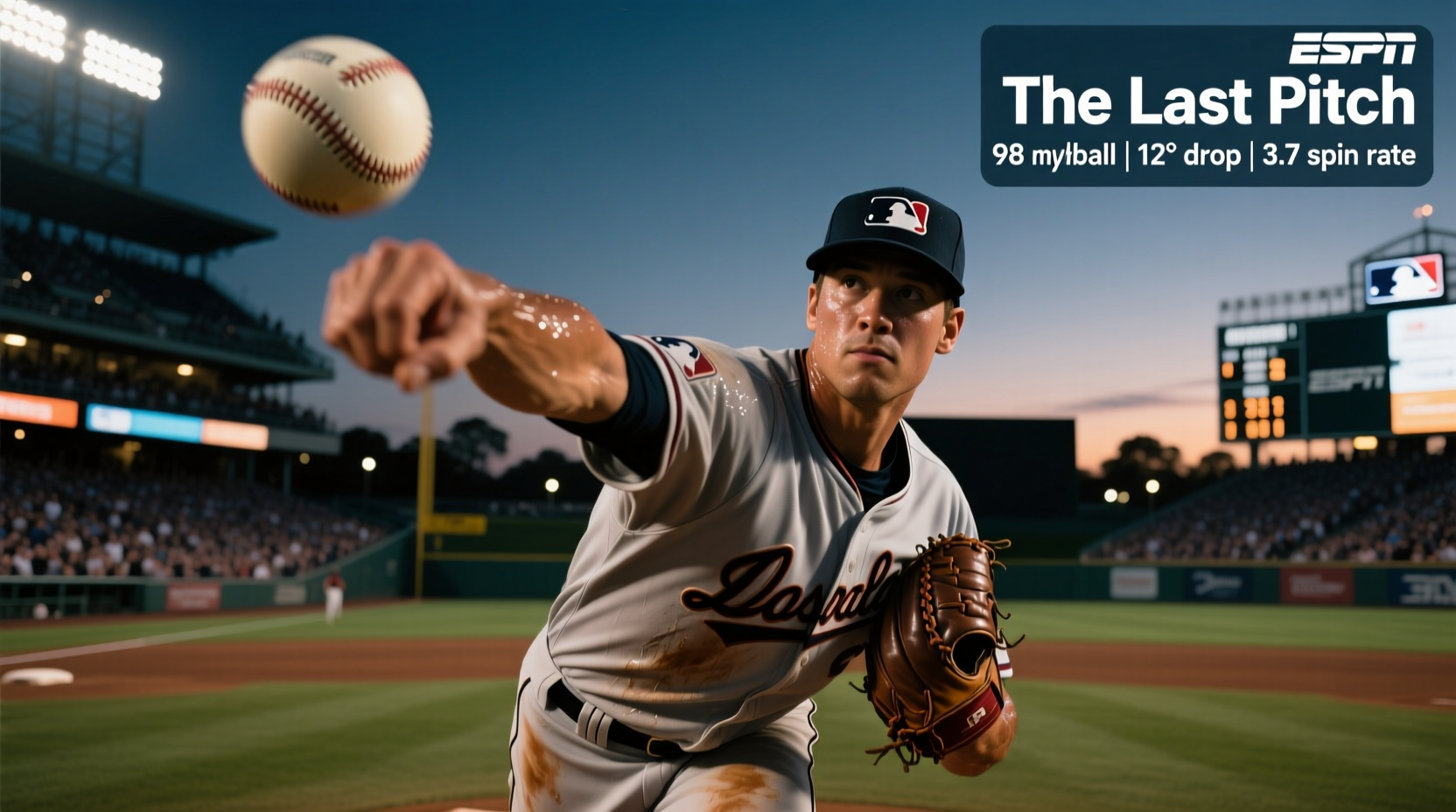
Pitching is one of the most biomechanically demanding actions in sports. Efficient mechanics reduce injury risk and maximize output. Top-tier pitchers like Jacob deGrom, Max Scherzer, and Gerrit Cole share common traits: balance, repeatability, and optimal kinetic energy transfer from the ground up.
A smooth wind-up or stretch begins with stable foot placement on the rubber. The stride toward home plate should be linear and controlled, allowing the hips and shoulders to rotate in sync. Proper timing between hip and shoulder separation—known as “torque generation”—amplifies velocity without over-relying on arm strength.
Repeatability is crucial. A consistent delivery allows pitchers to locate pitches with precision under pressure. Coaches use high-speed video analysis and motion tracking tools like TrackMan to fine-tune even minor flaws—such as early arm raising or inconsistent release points—that can erode command over time.
Mastery of Pitch Repertoire and Sequencing
The best pitchers don’t just throw hard—they think several steps ahead. Modern MLB batters study pitch patterns extensively, making unpredictability essential. A well-constructed pitch mix typically includes four key components: a fastball (four-seam or sinker), a breaking ball (slider or curveball), a changeup, and sometimes a cutter or splitter.
Success lies not in individual pitch quality alone, but in how they’re sequenced. For example, locating a high four-seamer followed by a low slider creates a vertical “tunnel” effect, confusing the hitter’s timing and spatial judgment. Similarly, using a changeup after consecutive fastballs disrupts rhythm due to velocity differential.
“Hitting is timing. Pitching is upsetting timing.” — Warren Spahn, Hall of Fame Left-Hander
Data from Statcast shows that pitchers who maintain large velocity gaps between their fastball and off-speed pitches generate more swings and misses. Framing this within situational awareness—like avoiding middle-in fastballs to pull hitters or burying sliders against free-swingers—elevates performance further.
Training and Recovery: The Foundation of Durability
No amount of skill compensates for fatigue or injury. The modern MLB season demands resilience. Starting pitchers must prepare to handle 30+ starts per year, while relievers face explosive workload spikes. Sustainable performance requires intelligent training and recovery protocols.
Strength and conditioning programs now emphasize posterior chain development—glutes, hamstrings, lower back—and scapular stability to support the violent rotational forces of pitching. Long-toss routines, when properly periodized, enhance arm strength and neuromuscular coordination. Many teams also integrate weighted ball programs, though these require careful monitoring to avoid overuse injuries.
Recovery is equally critical. Sleep optimization, cryotherapy, compression therapy, and nutrition planning are standard among top pitchers. Biometric wearables track workload metrics such as arm speed, torque, and deceleration stress, alerting medical staff to potential red flags before injury occurs.
Dos and Don’ts of Pitcher Training
| Do | Don’t |
|---|---|
| Follow a structured long-toss progression | Throw max-effort bullpen sessions daily |
| Use resistance bands for rotator cuff strengthening | Neglect core and hip mobility work |
| Track pitch counts and rest days religiously | Ignore signs of fatigue or discomfort |
| Sleep 7–9 hours nightly during season | Rely solely on ice and painkillers post-game |
Case Study: How Shane Bieber Dominated the 2020 Season
In 2020, Cleveland’s Shane Bieber captured the AL Cy Young Award in a shortened season, posting a 1.63 ERA and striking out 12.8 batters per nine innings. His success wasn’t accidental—it was built on meticulous preparation and adaptability.
Bieber throws four primary pitches: a four-seam fastball averaging 94 mph, a devastating wipeout slider, a changeup, and a curveball. What set him apart was his ability to sequence them effectively across counts. In 2020, he threw his slider nearly 35% of the time—one of the highest rates among starters—but avoided predictability by varying its location and mixing in high fastballs to keep hitters honest.
His off-season regimen included advanced biomechanical analysis at Driveline Baseball, where he refined his release extension and improved spin efficiency. Combined with elite command (just 1.7 BB/9), this allowed him to attack the zone aggressively without fear of being punished.
Bieber’s case illustrates that dominance isn’t about having the flashiest arsenal—it’s about maximizing strengths through data-driven refinement and execution under pressure.
Step-by-Step Guide to Improving Pitching Performance
Whether you're an aspiring player or a seasoned fan looking to understand elite performance, here’s a practical roadmap used by professionals:
- Evaluate Mechanics: Record your delivery from multiple angles. Compare it to elite pitchers or consult a certified pitching coach to identify inefficiencies.
- Develop a Balanced Arsenal: Master at least three pitches with clear velocity and movement distinctions. Prioritize command over raw movement.
- Analyze Hitter Tendencies: Use scouting reports or video breakdowns to learn opponents’ weaknesses—e.g., vulnerability to low sliders or difficulty with inside heat.
- Simulate Game Scenarios: Practice pitching in counts (0-2, 3-1) during bullpens to build decision-making under pressure.
- Monitor Workload: Log every pitch thrown, including practice, and follow a recovery protocol involving stretching, hydration, and sleep tracking.
- Review Outcomes Weekly: Track strikeout rate, walk rate, and hard-hit percentage. Adjust approach based on trends.
Frequently Asked Questions
What makes a great pitcher beyond velocity?
Variability in speed, precise command, consistent release point, and the ability to read hitters are more sustainable advantages than velocity alone. Movement profile—especially horizontal run or vertical rise—also plays a major role in generating weak contact.
How important is mental toughness in pitching?
Critically important. Pitching is inherently failure-prone—even elite hurlers allow hits regularly. The ability to reset after a home run, stay focused between pitches, and trust preparation defines long-term success. Many teams now employ sports psychologists to strengthen mental resilience.
Can analytics replace traditional coaching in pitcher development?
No—but they enhance it. Metrics like spin rate, release extension, and tunneling efficiency provide objective feedback. However, experienced coaches interpret this data within context, balancing numbers with feel, temperament, and physical health.
Key Checklist for Consistent Pitching Excellence
- ✅ Maintain repeatable, balanced mechanics
- ✅ Develop at least three distinct, well-located pitches
- ✅ Study opposing hitters’ tendencies before each start
- ✅ Follow a science-based strength and recovery plan
- ✅ Use video and data to refine approach weekly
- ✅ Communicate openly with catchers and coaches about strategy
- ✅ Prioritize sleep, hydration, and nutrition year-round
Final Thoughts: Elevating Your Understanding of Pitching Mastery
The best pitching in MLB is a fusion of art and science—a blend of natural talent refined through relentless preparation. Velocity may open doors, but longevity and dominance come from command, intelligence, and consistency. As analytics continue to reshape how we evaluate performance, the fundamentals remain unchanged: locate pitches, disrupt timing, and protect your body.




 浙公网安备
33010002000092号
浙公网安备
33010002000092号 浙B2-20120091-4
Comments
No comments yet. Why don't you start the discussion?