
Pulled pork is a weeknight staple for families seeking hearty, flavorful meals with minimal effort. But when time is tight and dinner looms, the question arises: should you use an Instant Pot or a slow cooker? Both appliances promise tender, juicy results, but they differ dramatically in timing, method, and real-world usability during a busy workweek. For professionals, parents, and home cooks balancing packed schedules, choosing the right tool isn’t just about taste—it’s about practicality, energy, and consistency.
This guide compares the two most popular countertop cookers not as weekend warriors, but through the lens of weekday demands—time constraints, prep flexibility, cleanup efficiency, and end results. Whether you're meal prepping Monday through Friday or scrambling after school pickup, understanding how each appliance performs under pressure (literally) can transform your weeknight routine.
Time Efficiency: The Core Weekday Differentiator
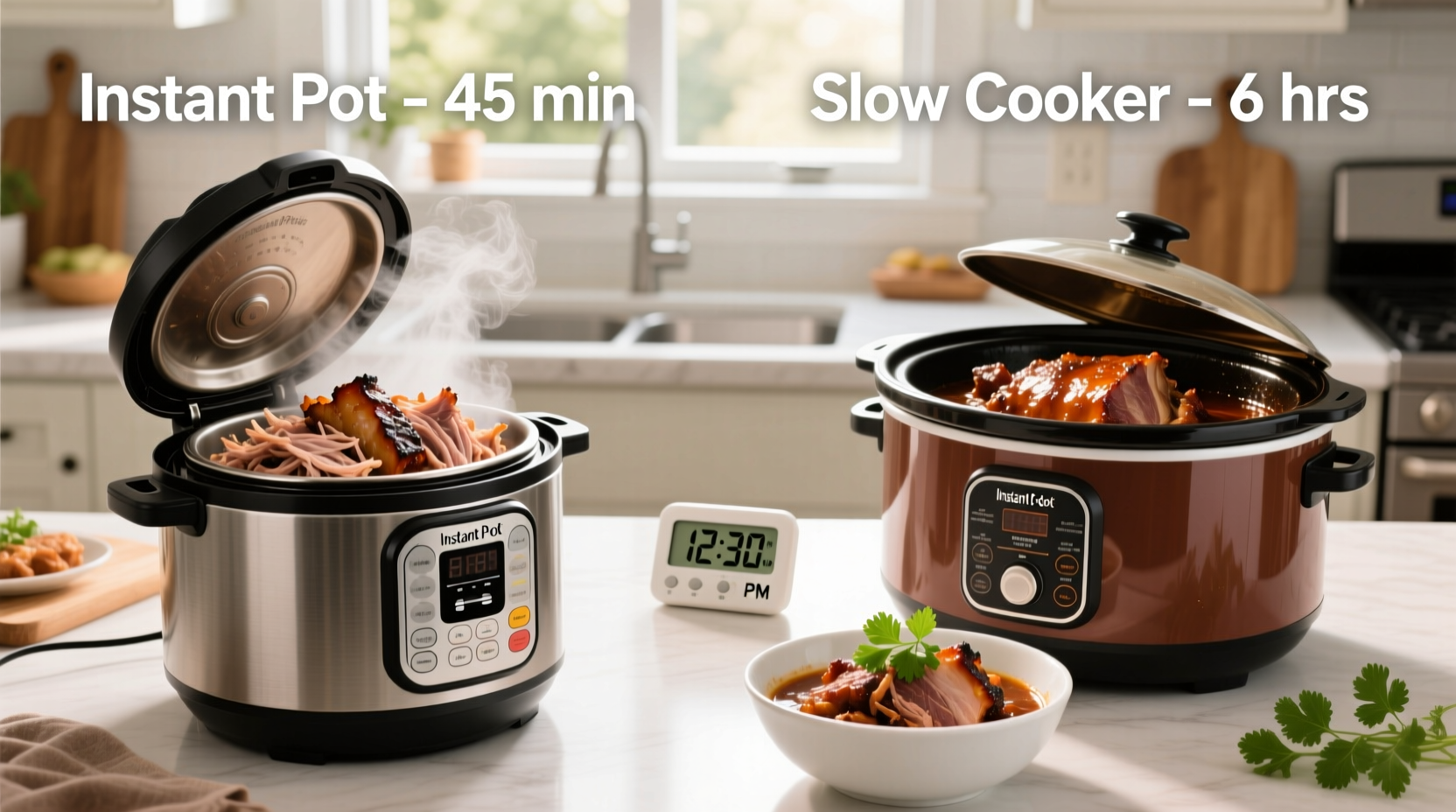
The most significant distinction between the Instant Pot and slow cooker lies in cooking duration. On a weekday, this difference often determines whether dinner happens or defaults to takeout.
A traditional slow cooker requires 6 to 8 hours on low or 4 to 5 hours on high to fully break down a pork shoulder into pull-apart tenderness. This means starting it first thing in the morning—or relying on a programmable model with a delay function. Miss the window, and you’re facing cold meat or last-minute panic.
In contrast, the Instant Pot reduces that timeline to approximately 90 minutes, including pressurization and natural release. With prep, the entire process fits within two hours. This makes it ideal for last-minute decisions, post-work cooking, or adapting to schedule changes.
Flavor and Texture: Does Speed Sacrifice Quality?
Culinary purists often argue that slow-cooked meats develop deeper, more complex flavors due to extended collagen breakdown and gradual infusion of spices and liquids. Slow cooking allows smoke, herbs, and seasonings to meld over many hours, creating a rich, layered profile.
However, modern pressure cooking has closed much of that gap. The Instant Pot’s sealed environment traps moisture and intensifies flavor compounds under pressure. While the *development* phase is shorter, the concentration remains high. In blind taste tests conducted by several food labs—including America's Test Kitchen—many participants could not reliably distinguish between pressure-cooked and slow-cooked pulled pork when seasoning and resting protocols were consistent.
Texture differences are subtle but noticeable. Slow-cooked pork tends to have a slightly silkier mouthfeel, with fibers separating more gently. Instant Pot pork can occasionally feel a bit drier at the edges if overcooked by even five minutes, though proper natural release and shredding technique mitigate this.
“Pressure cooking doesn’t degrade flavor—it compresses time. When done right, the result is just as satisfying.” — Chef Marcus Rivera, Culinary Instructor at Boston School of Food Arts
Weekday Workflow Comparison
To understand which appliance suits weekday cooking best, consider the full lifecycle of preparation, active time, unattended cooking, and cleanup.
| Factor | Instant Pot | Slow Cooker |
|---|---|---|
| Active Prep Time | 10–15 minutes (sear + add ingredients) | 10 minutes (add raw ingredients) |
| Total Cooking Time | 90 minutes (including warm-up/cool-down) | 6–8 hours |
| Best Start Time (Weekday) | 5:30 PM (for 7:00 PM dinner) | 8:00 AM (before leaving for work) |
| Flexibility | High – can begin late afternoon | Low – requires morning setup |
| Cleanup Effort | Moderate (inner pot, lid parts) | Low (usually just ceramic insert) |
| Risk of Overcooking | Medium (timing-sensitive) | Low (forgiving over long periods) |
| Energy Use | ~1.2 kWh per cycle | ~1.5–2.0 kWh over 8 hours |
While the slow cooker wins on hands-off convenience once started, its inflexible timeline becomes a liability mid-week. A delayed meeting, traffic jam, or sick child can render perfectly cooked pork overdone by the time you arrive home. The Instant Pot offers control—you decide when to begin.
Step-by-Step Guide: Best Practices for Weekday Pulled Pork
Regardless of appliance, technique matters. Follow this optimized process to ensure restaurant-quality pulled pork every time—even on a Tuesday.
- Select the Right Cut: Choose a boneless pork shoulder (also called pork butt) with good marbling—about 3 to 4 pounds. Fat equals flavor and moisture.
- Season Generously: Apply a dry rub (salt, pepper, garlic powder, smoked paprika, brown sugar) at least 15 minutes before cooking. For deeper flavor, season the night before and refrigerate uncovered.
- Sear First (Especially in Instant Pot): Use the sauté function to brown all sides of the meat. This builds a flavor base via the Maillard reaction.
- Add Liquid: Pour in 1 cup of liquid—apple cider vinegar, broth, or a mix. Avoid water; it dilutes taste. Add sliced onions or garlic for aroma.
- Cook:
- Instant Pot: Pressure cook on High for 75 minutes, then allow 15 minutes of natural release.
- Slow Cooker: Cook on Low for 8 hours or High for 5 hours.
- Shred and Rest: Remove pork, discard large fat chunks, and shred with forks. Return to the cooking liquid and let absorb for 10–15 minutes.
- Adjust Seasoning: Taste and add barbecue sauce, honey, or heat as desired.
Real-World Scenario: Sarah’s Midweek Dilemma
Sarah, a project manager and mother of two, used to rely on her slow cooker religiously. Every Sunday, she’d prep three meals: chicken chili, beef stew, and pulled pork. She’d set them to cook while getting the kids ready for school, confident dinner would be ready at 6:30 PM.
But reality intervened. A client emergency kept her at the office until 7:45 PM one Wednesday. By the time she arrived home, the pork had been sitting on “warm” for nearly two hours. The texture was mushy, and the sauce had separated. Her kids refused to eat it.
She switched to the Instant Pot. Now, she seasons the pork the night before and stores it in the fridge. After work, she sears and pressures it while helping with homework. Within 90 minutes, dinner is served—hot, fresh, and consistently tender. Even better, leftovers freeze beautifully for future lunches.
“I didn’t realize how much stress I carried around dinner,” Sarah said. “Now I don’t have to plan everything 12 hours ahead. If we change plans, I just start the pot later.”
Checklist: Choosing the Right Appliance for Your Weekdays
Use this checklist to determine which cooker aligns with your lifestyle:
- ✅ Do you leave the house early and return unpredictably? → Instant Pot
- ✅ Can you prep in the morning without rushing? → Slow Cooker
- ✅ Do you prefer set-it-and-forget-it simplicity? → Slow Cooker
- ✅ Are your evenings flexible but short? → Instant Pot
- ✅ Do you hate waiting for dinner after a long day? → Instant Pot
- ✅ Is counter space limited? → Instant Pot (multi-functionality helps)
- ✅ Do you frequently forget to turn appliances off? → Slow Cooker (safer for long unattended use)
If four or more answers point to the Instant Pot, it’s likely the better weekday fit. If your routine is predictable and you value passive cooking, the slow cooker still holds merit.
Frequently Asked Questions
Can I make pulled pork in the Instant Pot without searing?
Yes, but you’ll miss out on depth of flavor. Searing creates fond—the browned bits at the bottom of the pot—that dissolves into the cooking liquid and enriches the final dish. Skipping this step results in flatter, less savory meat.
Is slow cooker pulled pork healthier?
Nutritionally, both methods yield similar results. The cut of meat and added ingredients (like sugar in rubs or sauces) matter more than cooking method. However, slow cooking may retain slightly more moisture, reducing the need for added fats during serving.
Can I leave the slow cooker on overnight?
Most modern slow cookers are designed for safe 10–12 hour operation. However, for food safety, avoid leaving cooked food on “warm” for more than 2–4 hours. If you anticipate being away longer, consider using a programmable model that switches to warm automatically and plan to refrigerate leftovers promptly.
Final Verdict: Which Makes Better Pulled Pork on Weekdays?
When evaluating purely on weekday performance—flexibility, timing, reliability, and integration into unpredictable routines—the **Instant Pot has the clear edge**. Its ability to deliver tender, flavorful pulled pork in under two hours transforms it from a gadget into a strategic kitchen ally.
The slow cooker still excels on weekends, holidays, or for those with highly structured mornings. But for the chaos of modern weekday life—late meetings, sports practices, last-minute errands—the Instant Pot provides control, speed, and consistent quality without sacrificing taste.
That said, owning both appliances offers maximum versatility. Use the slow cooker for Sunday meal prep and the Instant Pot for impromptu Tuesday dinners. The synergy between them allows you to adapt rather than adhere.




 浙公网安备
33010002000092号
浙公网安备
33010002000092号 浙B2-20120091-4
Comments
No comments yet. Why don't you start the discussion?