
For professionals, parents, students, and outdoor enthusiasts, keeping food fresh and safe during transit is more than just a convenience—it’s a necessity. The traditional lunch bag has long been the go-to solution for carrying meals on the move. But with the growing popularity of insulated lunch backpacks, many are wondering: is the upgrade truly worth it? While both options serve the same basic purpose, their differences in design, functionality, temperature retention, and daily usability can significantly impact your experience.
This article dives deep into the practical realities of choosing between an insulated lunch backpack and a standard lunch bag. We’ll break down key performance factors, user scenarios, and long-term value so you can make an informed decision based on your lifestyle—not marketing hype.
Understanding the Core Differences
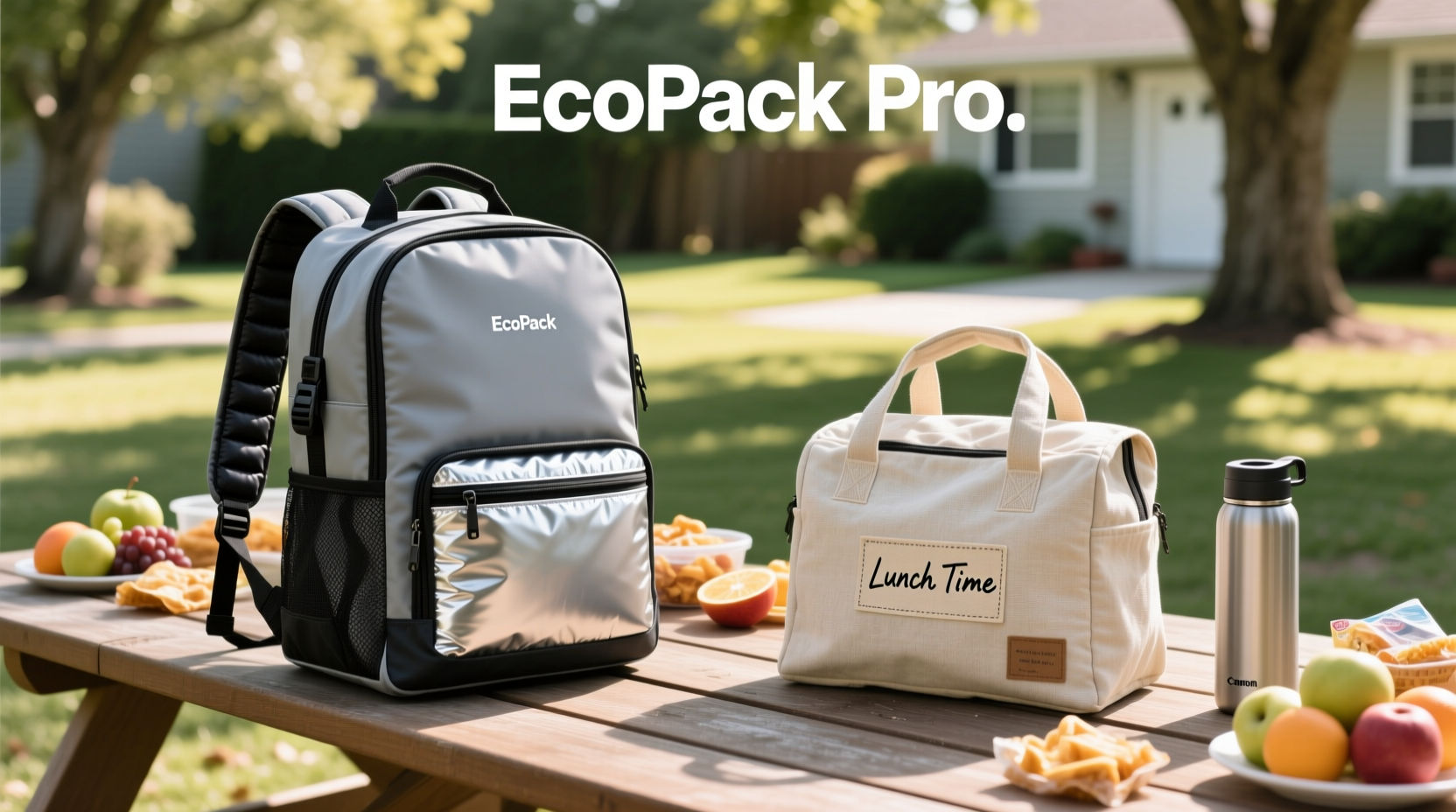
The most obvious distinction lies in structure and carry style. A typical lunch bag is a handheld or shoulder-carry cooler with limited insulation and minimal storage beyond food containers. In contrast, an insulated lunch backpack combines thermal protection with the ergonomic benefits of a backpack—dual straps, larger capacity, and often additional compartments.
But beyond form, there are functional disparities:
- Insulation quality: Backpacks often feature thicker, multi-layered insulation designed to maintain temperature for 6–12 hours, compared to 2–4 hours in many basic lunch bags.
- Ergonomics: Carrying a backpack distributes weight evenly across both shoulders, reducing strain—especially important when commuting or walking long distances.
- Capacity and organization: Lunch backpacks typically offer separate pockets for utensils, snacks, ice packs, and even electronics, making them more versatile than single-compartment lunch bags.
Temperature Performance: How Long Does Food Stay Fresh?
One of the most critical functions of any lunch container is maintaining safe food temperatures. According to the USDA, perishable food should not remain in the \"danger zone\" (40°F to 140°F) for more than two hours. This makes insulation effectiveness non-negotiable.
Standard lunch bags, especially non-insulated or poorly sealed ones, often fail to keep cold food cold past midday, particularly in warm environments. Many rely on thin foam lining and small ice packs that melt quickly.
In contrast, high-quality insulated lunch backpacks use advanced materials like aluminum-lined thermal barriers and dense foam padding. These designs are engineered to slow heat transfer, preserving coldness longer—even in summer conditions.
“Backpack-style coolers with full-wrap insulation outperform traditional lunch totes by up to 300% in sustained cooling tests.” — Dr. Alan Reyes, Food Safety Researcher at Cold Chain Labs
Real-World Cooling Comparison
| Feature | Lunch Bag (Basic) | Insulated Lunch Backpack (Premium) |
|---|---|---|
| Avg. Cooling Duration | 2–4 hours | 8–12 hours |
| Ice Pack Melting Time | 3–5 hours | 6–10 hours |
| External Material Durability | Fabric prone to wear, stains | Water-resistant, tear-resistant |
| Weight Distribution | Handheld or single strap – uneven load | Dual straps – balanced, comfortable carry |
| Additional Storage | Minimal or none | Multiple pockets for accessories |
When the Upgrade Makes Sense: Real-Life Scenarios
Not every user needs a backpack. For some, a compact lunch bag remains perfectly adequate. However, certain lifestyles benefit dramatically from the upgrade.
Mini Case Study: Sarah, Remote Worker & Daily Commuter
Sarah works remotely but commutes weekly to her office, a 45-minute train ride each way. She packs a salad with grilled chicken, yogurt, and fruit. With her old lunch bag, she noticed her yogurt was often lukewarm by noon, and her ice pack had fully melted by 10:30 AM.
After switching to an insulated lunch backpack with dual ice packs and reinforced insulation, her food stayed chilled until after lunch. The backpack also allowed her to carry her laptop, notebook, and water bottle without needing a second bag. Over time, she reported less stress about food safety and greater convenience during transit.
Her experience reflects a common trend: individuals who travel frequently, spend extended periods away from refrigeration, or carry multiple items benefit most from the backpack format.
Who Should Consider Upgrading?
- Parents packing lunches for kids who ride the bus or walk to school
- Outdoor workers or field technicians without consistent fridge access
- Students moving between classes all day
- Travelers using public transport or biking to work
- Anyone packing perishable meals like dairy, meat, or raw vegetables
Step-by-Step: Choosing the Right Option for Your Needs
Deciding whether to upgrade shouldn’t be based on trends alone. Follow this logical evaluation process:
- Assess your commute or daily movement: Do you walk, bike, or take transit for more than 20 minutes? If yes, a backpack offers better comfort and load distribution.
- Evaluate your meal type: Are you packing perishables that require strict temperature control? High-risk foods demand superior insulation.
- Check your carrying capacity: Are you already lugging a tote, laptop, or gym gear? A lunch backpack consolidates items efficiently.
- Consider durability needs: Will the bag face rough handling, weather exposure, or frequent drops? Backpacks generally use sturdier materials.
- Compare long-term costs: While backpacks cost more upfront ($30–$70 vs. $15–$30), their longevity and utility often justify the investment over time.
Common Misconceptions About Insulated Lunch Backpacks
Despite their advantages, several myths persist:
- Myth: They’re too bulky. Modern designs are sleek and foldable, fitting easily under desks or in lockers.
- Myth: Only for kids. Many brands now offer minimalist, professional styles suitable for office environments.
- Myth: They don’t fit in backpacks. Actually, many are designed to nest inside larger backpacks or suitcases for travel.
The reality is that today’s insulated lunch backpacks are versatile tools built for diverse users—from corporate employees to hikers to busy parents.
FAQ: Your Top Questions Answered
Can I use an insulated lunch backpack as my main bag?
Some models are designed specifically for dual use, featuring dedicated laptop sleeves and organizational pockets. Check dimensions and weight limits before relying on it as your primary carry.
Do insulated backpacks need special cleaning?
Yes. Wipe down the interior after each use to prevent odor buildup. Avoid submerging the bag in water unless specified by the manufacturer. Most have removable liners for easy washing.
Are lunch backpacks airline-friendly?
Absolutely. As long as your ice packs comply with TSA guidelines (frozen solid at screening), you can bring them on flights. The backpack format is easier to manage through security than loose coolers.
Final Verdict: Is the Upgrade Worth It?
The answer depends on your routine, but for most active users, the insulated lunch backpack is a worthwhile upgrade. It delivers superior temperature control, enhanced comfort, and greater versatility—all of which contribute to better food safety and daily convenience.
If you're someone who values prepared meals, health-conscious eating, or efficient multitasking, investing in a quality insulated lunch backpack pays off in both practicality and peace of mind. It’s not just a lunch container; it’s a mobile micro-fridge designed for modern life.
That said, if your routine involves short trips, minimal walking, and simple snacks, a well-insulated lunch bag may still suffice. The key is matching the tool to your actual usage—not aspirational ideals.




 浙公网安备
33010002000092号
浙公网安备
33010002000092号 浙B2-20120091-4
Comments
No comments yet. Why don't you start the discussion?