
After a long social event, work meeting, or even a day filled with back-to-back conversations, some people feel energized. Others—especially introverts—feel drained, irritable, mentally foggy, or emotionally raw. This isn't just tiredness. It's what many call an \"introvert hangover\": a psychological and emotional fatigue that sets in after excessive social stimulation. Unlike extroverts, who gain energy from interaction, introverts expend it. When their reserves are depleted, recovery isn’t optional—it’s essential. Recognizing the early warning signs can help prevent burnout, improve mental clarity, and maintain emotional stability.
What Is an Introvert Hangover?
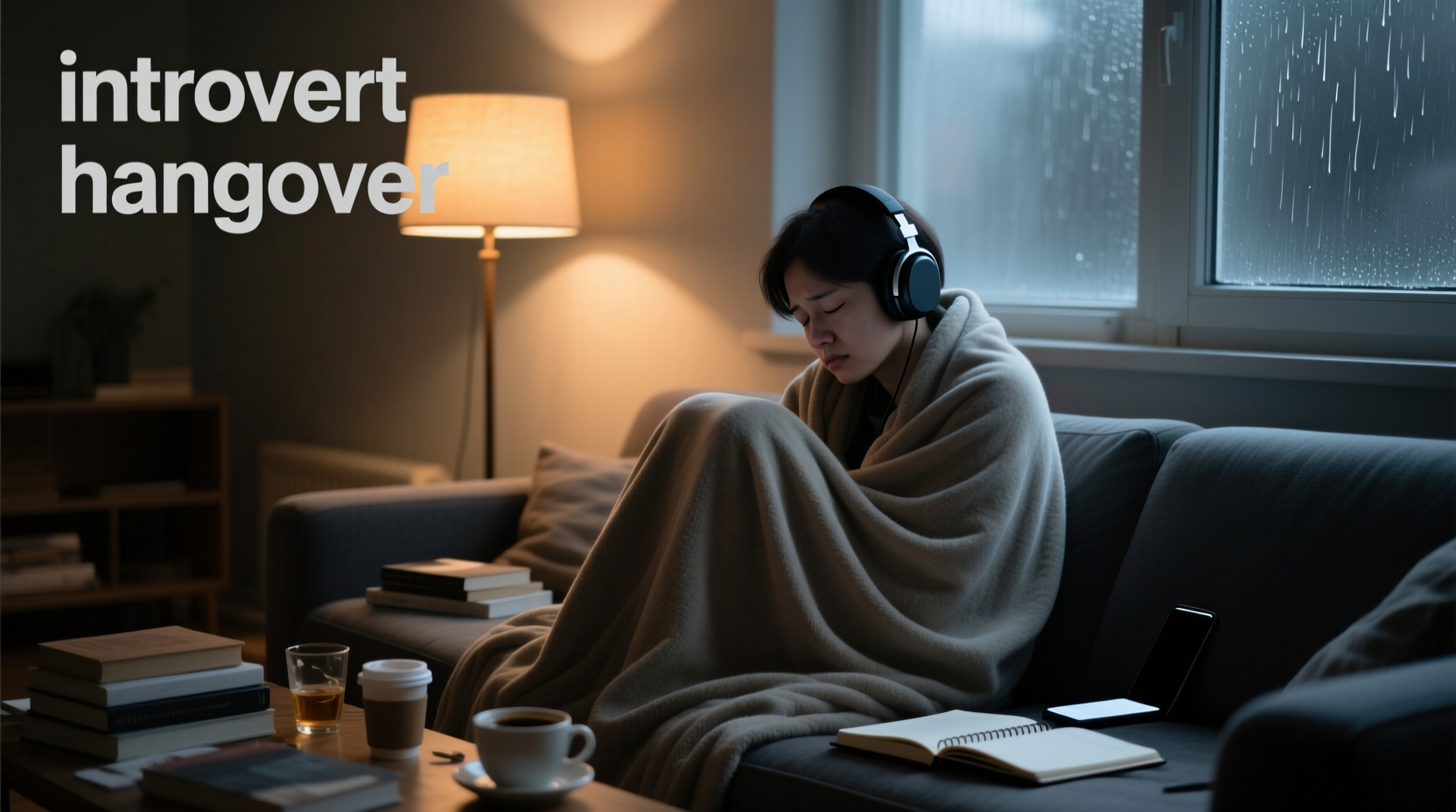
An introvert hangover isn’t about alcohol or physical overindulgence. It’s a state of emotional and cognitive exhaustion caused by prolonged exposure to social environments that demand attention, performance, or emotional labor. While everyone experiences fatigue, introverts process external stimuli more deeply, which means they reach their threshold faster. The brain’s reward system in introverts tends to respond more strongly to internal reflection than external excitement, making solitude not a preference—but a biological necessity for restoration.
Dr. Marti Olsen Laney, author of *The Introvert Advantage*, explains:
“Introverts don’t lack social skills; they simply have nervous systems that are more sensitive to stimulation. Their brains produce more acetylcholine, which makes them feel good when they’re quiet, reflective, and internally focused.”
This neurochemical difference means that even positive interactions—like catching up with friends or attending a joyful celebration—can leave introverts feeling overwhelmed if sustained for too long. The result? An introvert hangover: a delayed reaction to overstimulation that manifests physically, emotionally, and cognitively.
7 Key Signs You’re Experiencing an Introvert Hangover
Knowing the symptoms allows you to respond before full depletion occurs. Here are seven unmistakable signs that you need alone time immediately:
- Mental Fog or Difficulty Concentrating – Tasks that usually feel simple now require extra effort. You forget names, lose your train of thought mid-sentence, or struggle to focus on reading or writing.
- Irritability or Heightened Sensitivity – Small inconveniences feel overwhelming. A colleague’s loud laugh, a phone notification, or someone interrupting you triggers disproportionate frustration.
- Physical Fatigue Without Physical Exertion – You didn’t run a marathon, but your body feels heavy, sluggish, or tense. Headaches, shoulder tightness, or stomach discomfort may appear despite no illness.
- Desire to Withdraw Socially – Even loved ones feel like too much. You decline invitations, avoid calls, or feel anxious at the thought of small talk—even with people you care about.
- Emotional Numbness or Overwhelm – You might feel detached, empty, or paradoxically flooded with emotions. Tears come easily, or you feel completely shut down.
- Increased Sensory Sensitivity – Lights seem brighter, sounds louder, smells stronger. Environments that were once neutral now feel intrusive or jarring.
- Impaired Decision-Making – You second-guess simple choices, like what to eat or whether to reply to a message. Indecision becomes a recurring pattern.
When to Recharge: A Step-by-Step Guide to Recovery
Responding quickly to an introvert hangover prevents longer-term consequences like chronic stress, anxiety, or resentment toward social obligations. Follow this timeline to restore balance effectively:
Step 1: Acknowledge the Need (Within 1–2 Hours Post-Event)
Don’t dismiss your fatigue as “just being tired.” Name it: “I’m experiencing an introvert hangover.” This reduces guilt and validates your experience. Avoid self-criticism like “I should’ve handled that better” or “Why am I so weak?” This is biology, not failure.
Step 2: Create Immediate Solitude (As Soon as Possible)
Excuse yourself gracefully. Say, “I need some quiet time to recharge,” without over-explaining. Go for a walk alone, sit in your car, retreat to a bathroom, or step into a quiet room. Even 10 minutes of silence can reset your nervous system.
Step 3: Engage in Low-Stimulation Activities (Next 1–3 Hours)
Choose activities that require minimal interaction and sensory input:
- Reading a familiar book
- Listening to calming music with noise-canceling headphones
- Journalling thoughts or doodling
- Taking a warm shower or bath
- Sipping tea in a dimly lit space
Step 4: Prioritize Restorative Sleep (That Night)
Sleep quality directly impacts recovery. Aim for 7–9 hours. Avoid screens 60 minutes before bed. Try a grounding practice like deep breathing or progressive muscle relaxation to signal safety to your brain.
Step 5: Schedule Replenishment Time (Next Day)
If possible, block off time the following day for solitude. Cancel non-essential meetings. Work remotely. Use this window to reflect, plan, or simply be still. Think of it as a “recharge buffer” between intense social periods.
Do’s and Don’ts During an Introvert Hangover
| Do’s | Don’ts |
|---|---|
| Do honor your need for silence without apology | Don’t push through and pretend you’re fine |
| Do communicate boundaries kindly but clearly | Don’t isolate for days without checking in with support systems |
| Do engage in solo creative or reflective hobbies | Don’t consume stimulating media (e.g., fast-paced shows, news cycles) |
| Do hydrate and eat light, nourishing foods | Don’t use alcohol or caffeine to self-medicate |
| Do schedule future social events with recovery time built in | Don’t skip meals or neglect basic self-care |
Real-Life Example: How Maya Recovered from a Conference Burnout
Maya, a freelance graphic designer and self-identified introvert, attended a three-day creative conference. Though excited to network and learn, she found herself overwhelmed by panel discussions, group dinners, and impromptu pitch sessions. By the second evening, she felt nauseous, distracted, and unusually short-tempered with her roommate.
Instead of pushing through, she excused herself after dinner and returned to her hotel room. She turned off her phone, lit a candle, and spent 30 minutes journaling about her experience. She skipped the late-night mixer and went to bed early. The next morning, she attended only one session before taking a solo walk in a nearby park. She later said, “Leaving the event early felt like failing at first. But honoring my limits meant I could actually enjoy the insights instead of resenting the whole experience.”
Within 24 hours of returning home, she blocked off two full days of solitude—no client calls, no social plans. She painted, read, and napped. By Monday, she felt re-engaged and inspired. Her post-conference productivity soared because she had allowed herself to recover fully.
How to Prevent Future Introvert Hangovers
Prevention doesn’t mean avoiding all social interaction. It means designing your life around sustainable energy management. Consider these strategies:
- Plan Social Events Strategically – Space gatherings apart. Avoid stacking multiple high-energy events in one week.
- Build in Micro-Recharges – Between meetings or during breaks, take five minutes of silence. Step outside, close your eyes, breathe.
- Use Buffer Zones – Arrive early to events to settle in before crowds come. Leave slightly before they end to avoid peak exhaustion.
- Communicate Your Needs – Tell trusted friends or partners: “I love spending time with you, but I’ll need an hour alone afterward to recharge.” Most people respect honesty when framed positively.
- Design a Recharge-Friendly Environment – Have a quiet corner at home with minimal distractions. Noise reduction, soft lighting, and personal touches make a difference.
Checklist: Are You Ready to Handle Social Energy Wisely?
- ✅ Do you recognize your personal signs of overstimulation?
- ✅ Can you excuse yourself from situations without guilt?
- ✅ Do you have a go-to solitude routine?
- ✅ Is your living space conducive to quiet recovery?
- ✅ Have you communicated your needs to close contacts?
- ✅ Do you schedule downtime after social commitments?
Frequently Asked Questions
Is an introvert hangover the same as social anxiety?
No. Social anxiety involves fear of judgment or embarrassment in social settings, often accompanied by physical symptoms like sweating or trembling. An introvert hangover occurs after socializing—even enjoyable socializing—and stems from neurological overstimulation, not fear. Many introverts love deep connections but need time to recover afterward.
Can extroverts experience something similar?
Yes, under extreme conditions—such as sensory overload or emotional labor—but it’s less common. Extroverts typically regain energy through interaction, while introverts do so through solitude. However, anyone can suffer from overstimulation in chaotic environments, regardless of personality type.
How long does an introvert hangover last?
Duration varies. Mild cases resolve within a few hours of quiet time. Moderate cases may require a full night’s rest. Severe or repeated hangovers—especially without recovery—can linger for days and contribute to chronic fatigue or irritability. Consistent recharging reduces both intensity and duration over time.
Reclaim Your Energy with Intentional Solitude
Understanding the introvert hangover isn’t about labeling yourself or limiting your life. It’s about respecting your inner rhythm. Solitude isn’t antisocial—it’s regenerative. Just as athletes need rest days, introverts need intentional downtime to perform at their best. Ignoring the signs leads to resentment, burnout, and diminished joy in relationships. Honoring them fosters clarity, creativity, and deeper presence when you do engage with others.
You don’t need to apologize for needing space. You need it because you feel deeply, think thoroughly, and care authentically. That’s not weakness—it’s strength in a world that often values constant output over sustainable well-being.




 浙公网安备
33010002000092号
浙公网安备
33010002000092号 浙B2-20120091-4
Comments
No comments yet. Why don't you start the discussion?