
As we move deeper into 2024, many users are reevaluating older tablets to see which models remain functional for light tasks, media consumption, or as secondary devices. Two names often surface in this conversation: the iPad Mini 4 and various generations of the Samsung Galaxy Tab series—particularly the Galaxy Tab S3, S4, or even the more budget-friendly A6 and A7 models from the late 2010s. While both platforms have evolved significantly, the question remains: can these aging tablets still deliver a usable experience today?
This article dives deep into hardware, software support, app compatibility, battery life, and real-world usability to determine which device offers better longevity and value in 2024.
Hardware Comparison: Specs That Still Matter
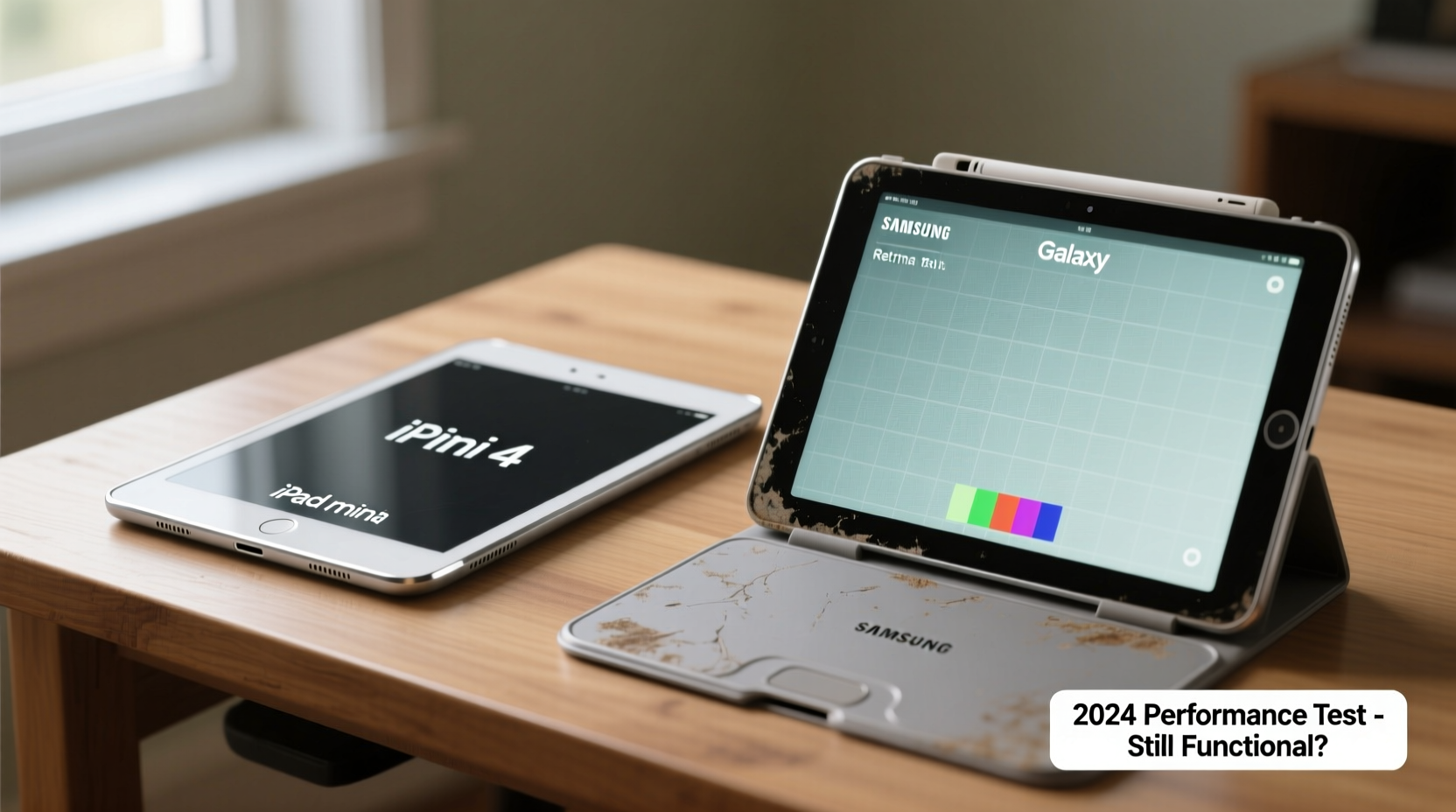
The iPad Mini 4, released in 2015, was Apple’s last major update to the Mini line before a six-year gap until the Mini 5 in 2019. It features an Apple A8 chip with 1GB of RAM, a 7.9-inch 2048x1536 Retina display, and supports the first-generation Apple Pencil via adapter. At launch, it was a compact powerhouse, but nearly a decade later, its internals are severely dated.
Samsung’s Galaxy Tab lineup from the same era varies widely. The Galaxy Tab S3 (2017), for example, runs on a Qualcomm Snapdragon 820 with 4GB of RAM and a vibrant 9.7-inch Super AMOLED screen. Even mid-tier models like the Galaxy Tab A7 (2020) offer 3GB of RAM and Android 10 out of the box, with some receiving updates to Android 12.
| Feature | iPad Mini 4 | Samsung Galaxy Tab S3 | Samsung Galaxy Tab A7 (2020) |
|---|---|---|---|
| Release Year | 2015 | 2017 | 2020 |
| Processor | Apple A8 | Snapdragon 820 | Snapdragon 662 |
| RAM | 1GB | 4GB | 3GB |
| Display | 7.9\" LCD (2048x1536) | 9.7\" AMOLED (2048x1536) | 10.4\" LCD (2000x1200) |
| Max OS Support | iOS 15 (2021) | Android 9 → One UI 2.5 | Up to Android 12 |
| Battery Life (Original) | ~10 hours | ~12 hours | ~13 hours |
Software & Security: The Real Lifespan Determinant
Hardware may age slowly, but software support ends abruptly—and that’s where the iPad Mini 4 faces its biggest limitation. Despite Apple’s reputation for long-term updates, the Mini 4 topped out at iOS 15, released in 2021. That means no security patches since late 2023, no access to newer apps requiring iOS 16+, and degraded performance in modern web browsing due to outdated WebKit rendering engines.
Samsung’s approach differs. While flagship Tabs like the S3 received three years of OS updates (ending at Android 9/One UI 2.5), more recent models such as the Tab A7 (2020) were eligible for upgrades to Android 12, with monthly security patches extending into early 2024. This gives them a critical edge in app compatibility and online safety.
“Security updates are non-negotiable in 2024. A tablet without them is not just slow—it’s vulnerable.” — Lin Chen, Mobile Security Analyst at TechShield Labs
Many current apps, including banking tools, video conferencing platforms, and streaming services, now require recent OS versions. The iPad Mini 4 cannot run the latest versions of Zoom, Google Meet, or even updated iterations of Chrome. In contrast, a Galaxy Tab A7 on Android 12 can still handle most mainstream apps, albeit with occasional lag.
Real-World Usability in 2024: Can You Actually Use These Tablets?
To test practical viability, consider a retired teacher using a tablet for reading news, watching YouTube, and video calls with grandchildren. She owns an iPad Mini 4 upgraded to iOS 15. While Safari still functions, she notices increasing issues: websites fail to load properly, two-factor login pages crash, and FaceTime links from newer iPhones don’t open correctly. After switching to a used Galaxy Tab A7, she gains access to updated Google Duo, a working Chrome browser, and regular system alerts—all with noticeably smoother performance despite similar age.
This scenario reflects a broader trend: Apple’s tight ecosystem becomes a liability when hardware ages past update eligibility. Samsung’s looser integration with Google’s Android services allows older devices to remain functional longer, even if not optimal.
Key Daily Use Challenges
- iPad Mini 4: No App Store downloads for apps requiring iOS 16+, frequent Safari crashes, inability to authenticate with modern web standards (e.g., TLS 1.3).
- Galaxy Tab S3/A7: Sluggish performance on heavy sites, limited Play Store optimization warnings, but generally functional email, social media, and streaming.
Maintenance Tips to Extend Tablet Life
If you’re holding onto either device, proactive care can squeeze extra months—or even years—from its usefulness.
- Clear cache regularly: Use built-in storage tools to delete cached data every few weeks.
- Limit app installations: Stick to essential apps; avoid resource-heavy games or multitasking tools.
- Use lightweight browsers: On the iPad, try Firefox Focus or Mercury Browser. On Android, Kiwi Browser offers ad-blocking and reduced memory use.
- Replace the battery: Both iPad Mini 4 and Galaxy Tabs benefit from professional battery replacements (~$50–$70), restoring near-original endurance.
- Factory reset annually: Wipes accumulated clutter and resets performance throttling caused by fragmented storage.
Which Tablet Holds Up Better in 2024?
The answer depends on your needs.
If you want a simple device for reading eBooks, viewing photos, or playing locally stored music, the iPad Mini 4 remains elegant and responsive enough—provided you avoid internet-dependent tasks. Its build quality, screen sharpness, and iOS simplicity still impress.
However, for any user needing reliable web access, secure logins, video calling, or app variety, a post-2019 Samsung Galaxy Tab—especially the A7 or S6 Lite—is far more viable. Even with modest specs, their continued software support and superior RAM make them adaptable to modern demands.
In essence: the iPad Mini 4 is a legacy device best suited for offline or nostalgic use. Meanwhile, select Galaxy Tabs bridge the gap between affordability and functionality well into 2024.
Frequently Asked Questions
Can the iPad Mini 4 still get apps in 2024?
Only apps that support iOS 12 through iOS 15. Many newer or updated apps (like TikTok, updated banking apps, or fitness trackers) require iOS 16+ and will not install or function properly.
Is it safe to use an unsupported tablet?
Risk increases significantly. Without security patches, vulnerabilities in Bluetooth, Wi-Fi, or web browsers can be exploited. Avoid entering passwords or financial details on tablets without current updates.
Should I upgrade from my old tablet?
If you rely on it for daily tasks, yes. Modern entry-level tablets like the iPad 9th gen or Galaxy Tab A8 offer twice the performance, current software support, and better battery life for under $200.
Conclusion: Make the Smart Move in 2024
The iPad Mini 4 and older Galaxy Tabs represent a generation of mobile computing now reaching obsolescence. While sentimentally appealing, only those with minimal digital needs should continue relying on them. For everyone else, upgrading—even to a budget model—brings dramatic improvements in speed, safety, and app access.
Technology evolves quickly, but smart decisions don’t have to be expensive. Evaluate your usage honestly, consider repair options, and don’t let nostalgia compromise functionality. Whether you choose to extend the life of your current device or invest in a newer one, do it with clarity and purpose.




 浙公网安备
33010002000092号
浙公网安备
33010002000092号 浙B2-20120091-4
Comments
No comments yet. Why don't you start the discussion?