
The iPhone 11 Pro Max, released in 2019, remains a surprisingly capable device even in today’s smartphone landscape. With Apple’s long software support and a loyal user base, many people still rely on this model daily. But as Android phones continue to innovate—offering faster charging, better cameras, and more customization—the question arises: Is it actually worth switching from your trusted iPhone 11 Pro Max to an Android device in the current year?
This isn’t just about specs or features. It’s about ecosystem loyalty, usability, long-term value, and personal workflow. For users entrenched in Apple’s world, switching can feel like stepping into the unknown. Yet for others, Android represents flexibility, innovation, and cost efficiency. Let’s break down the real differences and help you decide whether making the leap makes sense now.
Performance and Longevity: Still Holding Up?
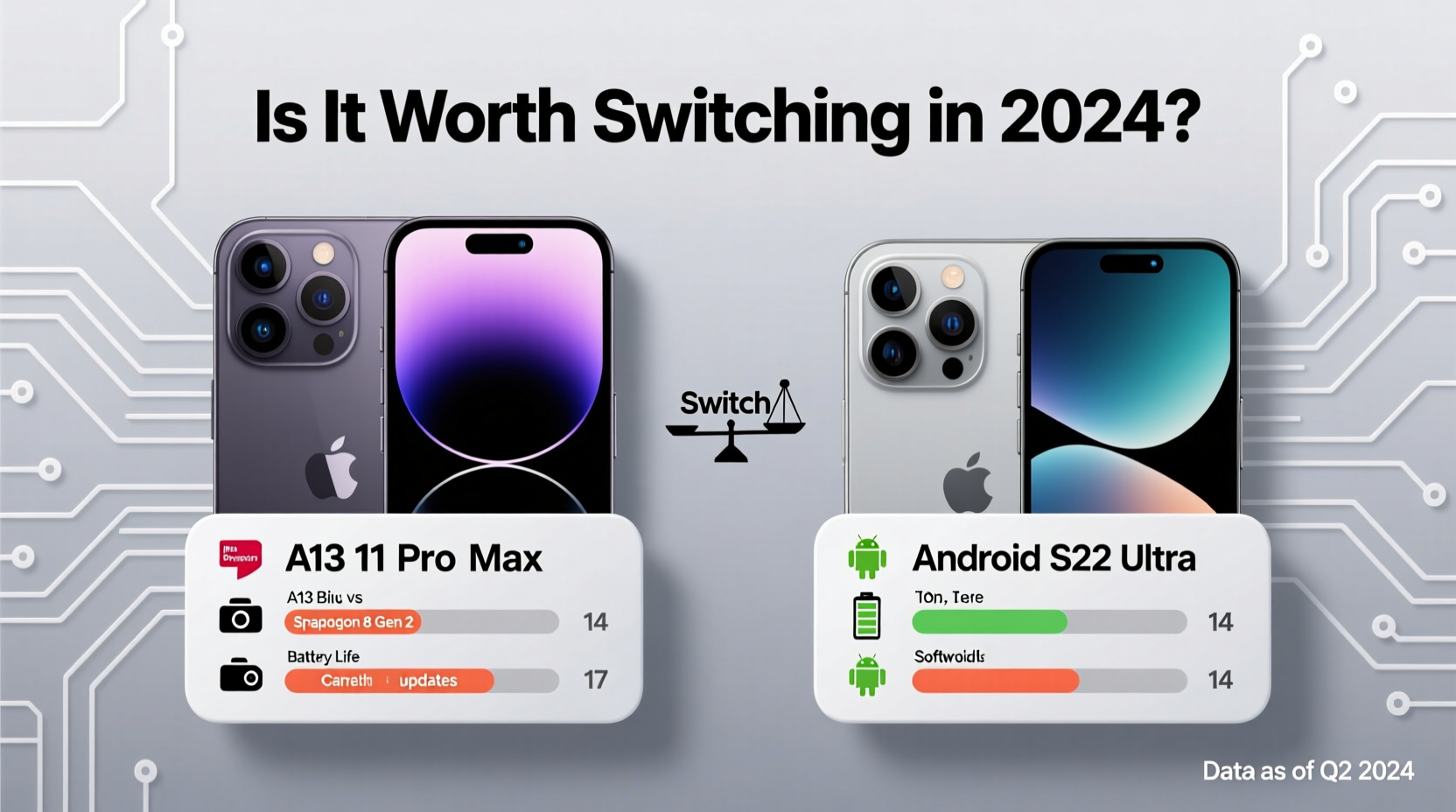
The iPhone 11 Pro Max runs on Apple’s A13 Bionic chip—a processor that, despite its age, continues to deliver smooth performance for everyday tasks. Thanks to iOS optimization, most users report no lag in app launches, multitasking, or even moderate gaming. Apple’s commitment to five to six years of software updates means the 11 Pro Max still receives security patches and feature updates as of 2024.
On the Android side, flagship devices from Samsung, Google, and OnePlus offer significantly more raw power. The latest Snapdragon and Tensor chips outperform the A13 in benchmarks, especially in AI processing, camera computation, and sustained workloads. However, performance isn’t everything. Many mid-range Android phones also run smoothly but may not receive updates beyond three years.
Ecosystem Lock-In: The Hidden Cost of Switching
Apple’s ecosystem is one of its strongest selling points. If you own a Mac, iPad, AirPods, or Apple Watch, seamless integration enhances productivity and convenience. Features like Handoff, Universal Clipboard, and iMessage continuity are difficult to replicate on Android.
Switching to Android means losing access to these integrations. Messages will no longer sync across devices. iCloud Photos requires manual migration. AirDrop becomes unavailable. While Google offers alternatives—Google Drive, Chrome sync, Nearby Share—they don’t match the frictionless experience Apple users enjoy.
“Ecosystem inertia is the biggest reason people stay with iPhone—even when Android offers superior hardware.” — David Kim, Mobile Analyst at TechTrend Insights
If you’re deeply invested in Apple’s ecosystem, switching isn’t just a phone change; it’s a lifestyle shift. Consider how much you rely on iMessage, FaceTime, or Continuity features before making a move.
Camera Comparison: Evolution vs. Consistency
The iPhone 11 Pro Max featured a triple-camera system praised for its color accuracy and dynamic range in 2019. Today, its low-light performance and zoom capabilities fall behind modern standards. No telephoto lens beyond 2x, limited Night Mode, and no computational photography advancements found in newer models.
Modern Android flagships like the Samsung Galaxy S24 series or Google Pixel 8 Pro offer night sight modes, astrophotography, 5x–10x optical zoom, and AI-enhanced editing. They also provide greater manual control—something photographers appreciate. That said, Apple still leads in video recording, particularly with Dolby Vision HDR and consistent stabilization.
If photography is a priority, Android currently has the edge in stills and versatility. But if you shoot mostly video or prefer automatic, reliable results without tweaking settings, the iPhone’s consistency remains appealing.
Feature Gap: What Android Offers That iPhone Doesn’t
Android brings several practical advantages that the iPhone 11 Pro Max—and even recent iPhones—lack:
- Faster charging: Many Android phones charge from 0% to 100% in under 30 minutes. The iPhone 11 Pro Max supports only 18W fast charging (charger sold separately) and takes over two hours.
- Expandable storage: Some Android devices support microSD cards, allowing users to add hundreds of gigabytes. The iPhone does not.
- Customization: Android allows deep UI personalization, third-party launchers, default app selection, and automation tools like Tasker.
- Better multitasking: Split-screen, floating windows, and drag-and-drop are standard on many Android tablets and foldables.
- Reverse wireless charging: Useful for charging earbuds or another phone in a pinch—available on many Samsung and Huawei models.
| Feature | iPhone 11 Pro Max | Modern Android Flagship (e.g., Galaxy S24 Ultra) |
|---|---|---|
| Fast Charging | 18W (with adapter) | 45W–100W |
| Wireless Charging | Qi-compatible (7.5W) | Qi + proprietary (15W+) |
| Zoom Capability | 2x optical, 10x digital | 5x–10x optical, 100x digital |
| Software Updates | ~6 years (until ~2025) | 4–7 years (varies by brand) |
| Customization | Limited (widgets, App Library) | Full launcher, icon packs, gestures |
Real-World Example: Sarah’s Switch After Five Years
Sarah had used her iPhone 11 Pro Max since launch. By 2024, she noticed slower app loading times and shorter battery life. She relied heavily on iMessage and iCloud but was frustrated by slow charging and lack of expandable storage.
After researching, she switched to a Google Pixel 8 Pro. She migrated her photos using Google Photos, transferred messages via SMS backup, and started using Gmail and Google Calendar. The transition took about a week. She missed iMessage initially—especially blue vs green bubbles—but adapted after friends began using WhatsApp.
What won her over? 7-year OS update promise, superior night photography, 30W charging, and built-in call screening. “It wasn’t easy at first,” she says, “but the improvements in daily use made it worth the learning curve.”
Checklist: Should You Switch?
Use this checklist to evaluate your readiness:
- ✅ My iPhone 11 Pro Max battery health is below 80% and replacing it feels temporary.
- ✅ I want faster charging and better multitasking features.
- ✅ I’m open to learning a new interface and migrating data manually.
- ✅ I don’t rely heavily on iMessage for group chats or business communication.
- ✅ I value camera diversity (zoom, night mode) over video consistency.
- ✅ I’m willing to explore alternative apps (WhatsApp, Telegram, Google Messages).
If you checked four or more, switching may be beneficial. If fewer, staying put could save time and hassle.
FAQ
Will my iCloud data transfer easily to Android?
Yes, but not automatically. You can export contacts, calendars, and photos using Google’s Move to Android app or manual export tools. Notes and reminders require third-party syncing services or manual transfer.
Can I keep using Apple services on Android?
You can use iCloud Mail, Photos (via web), and Find My via browser. However, core features like iMessage, FaceTime, and AirDrop are exclusive to Apple devices.
Are Android phones more prone to slowdowns over time?
Flagship Android phones with clean software (e.g., Google Pixel, Samsung One UI with good optimization) maintain performance well. Budget models with heavy skins and low RAM may degrade faster than iPhones.
Final Verdict: Is It Worth Switching?
The answer depends on your priorities. If you value ecosystem cohesion, video quality, and reliability, sticking with your iPhone 11 Pro Max—or upgrading within the Apple lineup—makes sense. But if you crave innovation, faster charging, better zoom cameras, and deeper customization, Android offers compelling reasons to switch.
For many users in 2024, the iPhone 11 Pro Max is still functional but showing its age. Rather than clinging to familiarity, consider what you truly need from a smartphone today. The best device isn’t the one with the most fans—it’s the one that fits seamlessly into your life, adapts to your habits, and grows with your needs.




 浙公网安备
33010002000092号
浙公网安备
33010002000092号 浙B2-20120091-4
Comments
No comments yet. Why don't you start the discussion?